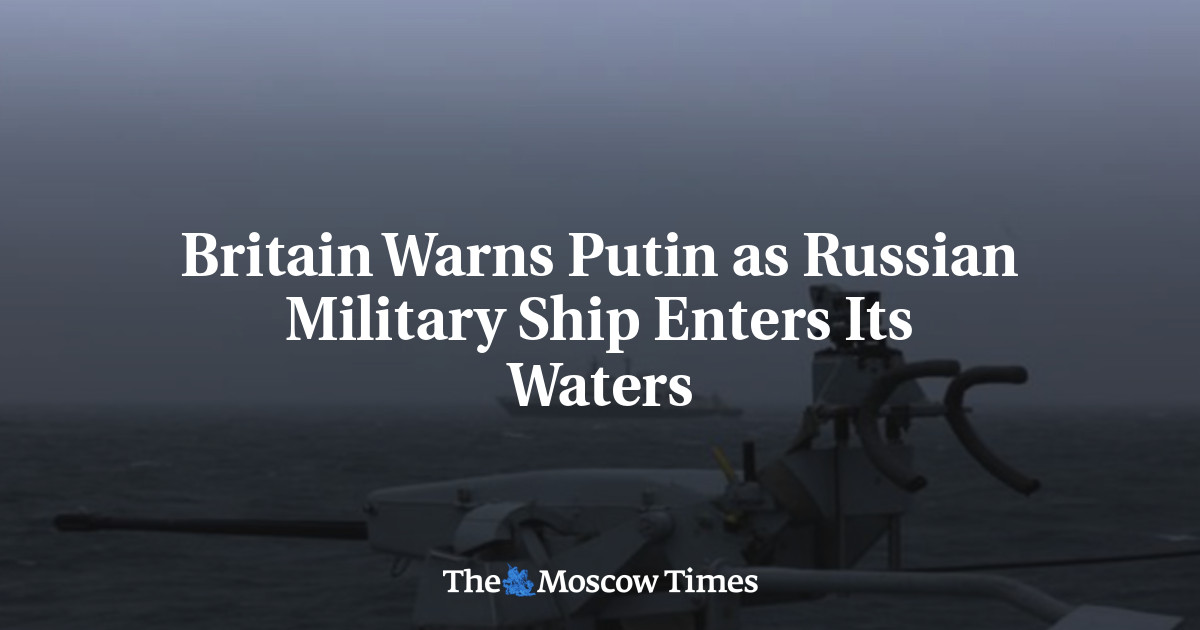
The U.K. warned the Kremlin after the Russian vessel Yantar entered British waters north of Scotland for the second time this year and reportedly aimed lasers at RAF pilots while a Royal Navy frigate and RAF aircraft monitored its movements; Defence Secretary John Healey called the laser use "deeply dangerous" and warned Moscow the U.K. is prepared to act if the ship moves south. London says the Yantar is part of a fleet intended to threaten undersea infrastructure, a concern amplified by recent sabotage of undersea telecom and power cables, and NATO and British officials have accused Russia of mounting a hybrid campaign as tensions over Ukraine persist. The episode heightens allied worries about the security of offshore and subsea assets and reinforces the case for strengthened naval surveillance and protection measures.
The U.K. government publicly warned Moscow after the Russian vessel Yantar entered U.K. waters north of Scotland for a second time this year and reportedly directed lasers at Royal Air Force pilots while a Royal Navy frigate and RAF aircraft tracked its movements; Defence Secretary John Healey described the laser use as "deeply dangerous" and warned that the U.K. is prepared to act if the ship moves south. Healey characterized the Yantar as part of a fleet intended to threaten undersea infrastructure, a concern given recent sabotage of undersea telecom and power cables that Britain and NATO attribute to heightened Russian hybrid activity around the Ukraine conflict.
The episode reinforces allied focus on protecting offshore and subsea assets and elevates demand for maritime surveillance, cable protection and cybersecurity capabilities; the supplied signals rate sentiment as moderately negative and hawkish with a modest market impact score (0.35), implying sector-specific re-pricing rather than broad market dislocation. The incident increases operational risk for telecom and power operators with subsea assets and creates a policy tailwind for defense and infrastructure protection budgets in the U.K. and NATO partners.
Near-term risk centers on further incursions or escalation that could prompt targeted sanctions, accelerated procurement or insurance-rate moves; investors should therefore watch naval movements, official statements, and any confirmed disruption to undersea cables as potential catalysts for revaluation in defense, cybersecurity and infrastructure-exposed sectors.
AI-powered research, real-time alerts, and portfolio analytics for institutional investors.
Request DemoOverall Sentiment
moderately negative
Sentiment Score
-0.50
