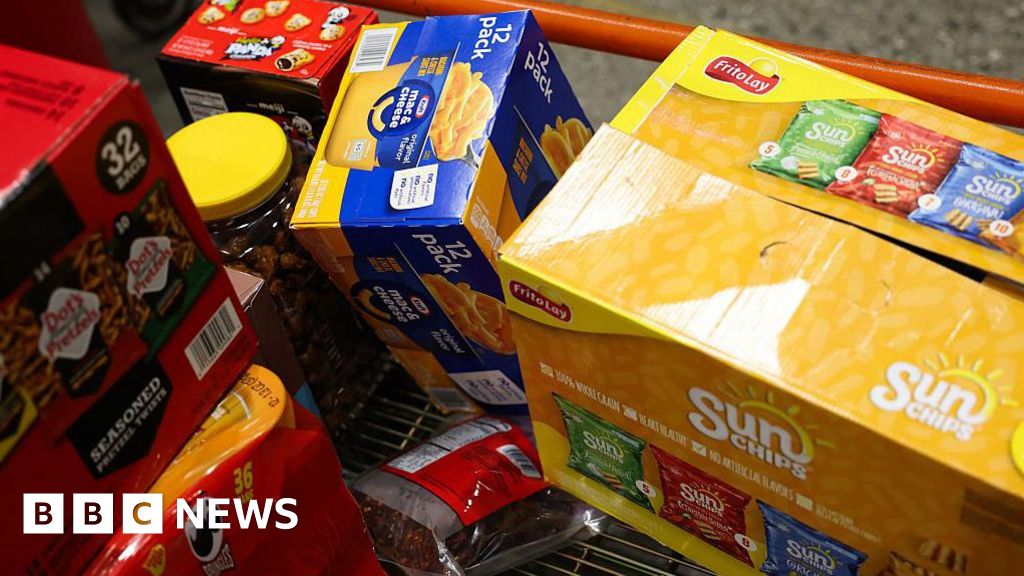
San Francisco sued ten major food companies, including Kraft Heinz, Mondelez and Coca-Cola, alleging they intentionally marketed ultra-processed products linked to rising chronic diseases and violated California public nuisance and unfair competition laws. The city seeks monetary penalties and a statewide injunction to change companies' marketing practices, framing the case as the first government-led suit of its kind and citing public health costs; a recent individual suit in Pennsylvania was dismissed, leaving legal precedent uncertain. The action elevates regulatory and litigation risk for large consumer-food companies and could prompt reputational, compliance and product formulation pressures if courts allow similar public-nuisance claims to proceed.
Market structure: Litigation directly pressures legacy snack & soft‑drink incumbents (KHC, MDLZ > KO) through headline risk, potential marketing restrictions and reformulation costs. Expect immediate headline-driven stock moves of ~5–12% and modest margin pressure of ~50–150bp on exposed SKUs if reformulation or labeling requirements spread over 6–24 months. Winners are brands/retailers with ‘better‑for‑you’ portfolios or private‑label flexibility that can capture share without litigation overhang.
Risk assessment: Tail scenarios include statewide injunctive relief (ban/labeling orders) or multi‑state class settlements; probability low‑medium but impact high (>$1bn across defendants) with a 6–24 month litigation timeline. Near term (days) volatility is headline-driven; short term (weeks–months) centers on filings and AG coordination; long term (years) centers on regulatory standardization and category reformulation. Hidden risks: retailer shelf reallocation, input‑commodity shifts (sugar, oils) and federal rule changes from HHS could cascade across suppliers.
Trade implications: Tactical shorts on KHC/MDLZ and relative longs in cleaner brands/retail (e.g., COST) offer alpha while hedging staples beta with KO long positions. Use options to cap downside: buy 3‑6 month 10–15% OTM puts on KHC/MDLZ sized to limit P&L risk; consider selling short‑dated calls to fund premium only if IV>30%. Credit markets may widen IG spreads by 10–25bp on defendants; monitor CDS for early signal.
Contrarian angles: The market may overprice legal risk—historically many product lawsuits settle for modest sums and stocks mean‑revert 3–12 months post‑resolution; incumbents retain significant pricing power to pass through reformulation costs. Conversely, underappreciated is the asymmetric benefit to retailers/private‑label and to companies with >50% fresh/organic SKUs; if settlements force labeling but not bans, long positions in those beneficiaries could outperform materially.
AI-powered research, real-time alerts, and portfolio analytics for institutional investors.
Request DemoOverall Sentiment
moderately negative
Sentiment Score
-0.35
Ticker Sentiment
