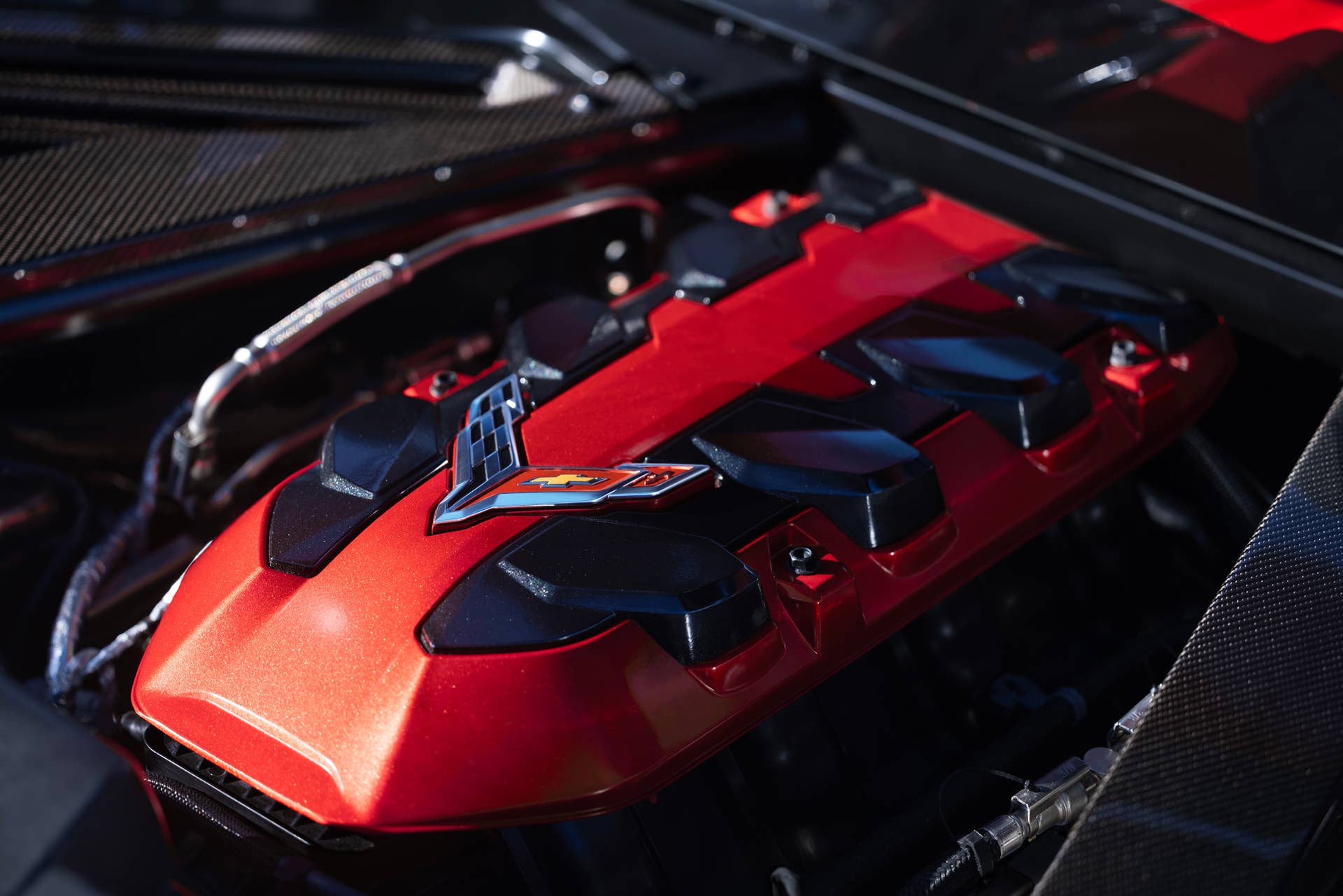
Chevrolet is replacing the Stingray's LT2 with a 6.7L LS6 V8 producing 535 hp and 520 lb-ft (vs 495 hp previously), featuring a 13.0:1 compression ratio, larger throttle body, tunnel-ram intake, forged internals and upgraded lubrication and exhaust hardware. The 2027 Stingray also gains retuned Magnetic Ride Control, a shorter Z51 final drive, aerodynamic and tire upgrades (Michelin Pilot Sport S 5) and a center-exit exhaust; the new engine will be built at GM’s Flint plant. Pricing is expected higher than the 2026 Stingray base (~$70k) and Z51 (~$78k); Grand Sport arrives this summer with Grand Sport X following.
This is a classic product laddering move disguised as a headline refresh: by raising the baseline performance envelope GM creates a new ASP/optioning anchor and shifts the entire Corvette P&L mix upward without having to rely only on limited-run halo models. The operational lever here is pricing power + higher content per car (premium tires, brakes, tuned suspension, upgraded internals) — a persistent source of incremental gross margin that compounds as the refresh becomes the default for showroom deliveries over the next 6–12 months.
Supply-chain effects are non-linear and concentrated: durable, forged engine internals, upgraded thermal management and higher-spec driveline components will push demand into categories with long lead times and low spare capacity. Bottlenecks at Flint (capacity, line-change cadence, qualification) and at high-performance OEM tire and brake suppliers could create short-term SKU-level inflation and scheduling risk, which in turn raises the benefit of vertical integration and supplier contracts for GM.
Key risks and catalysts are timing and elasticity. Days: retail buzz and orders spike; months: production ramp and dealer allocations determine realized ASP; 6–12 months: used-channel dynamics and warranty/field reliability data will materially change the narrative. Reversal can come from consumer resistance to higher OTD prices, a macro pullback in discretionary spend, or a reliability warranty issue that forces price concessions.
Contrarian read: the market underestimates GM’s ability to monetize a higher-content baseline through financing, service, and accessories — not just sticker price — because those revenue streams scale with a larger addressable aftermarket and higher-margin service intervals. Conversely, the move could be over-levered if underlying volumes are price-elastic; treat upside as a multi-quarter re-rating rather than immediate sales shock.
AI-powered research, real-time alerts, and portfolio analytics for institutional investors.
Request DemoOverall Sentiment
moderately positive
Sentiment Score
0.28
Ticker Sentiment
