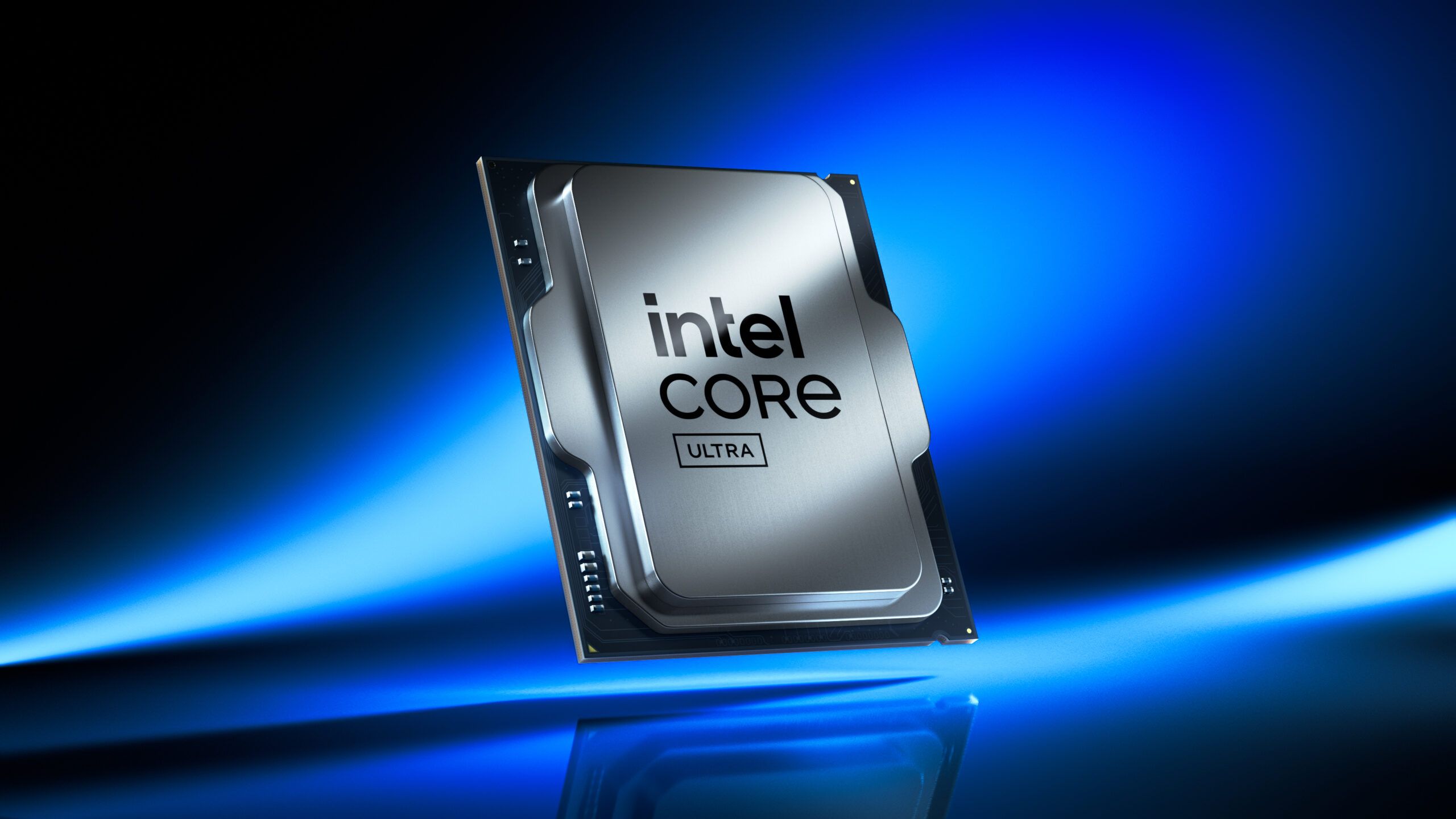
Leaked specifications for Intel's 900-series chipsets (B960, Z970, Z990, Q970, W980) describe a new LGA1954 platform for Nova Lake CPUs with up to 48 total PCIe lanes (Z990/W980), up to 12 chipset PCIe 5.0 lanes, DMI Gen5 links, and tiered I/O and overclocking features (Z990 supports multiplier and BCLK OC; Q970 lacks memory OC; W980 adds vPro/manageability). Nova Lake processors are claimed to support up to 52 cores (up to 16 high‑performance Coyote Cove, up to 32 energy‑efficient Arctic Wolf, plus four ultra‑low‑power cores), Xe3 integrated GPU and Xe4-derived media engine; motherboards are expected in late 2026. The leak signals clear SKU segmentation that will affect motherboard designs, OEM channel product mixes and enthusiast upgrade demand, but details are preliminary and unlikely to meaningfully move markets near term.
Market structure: Intel’s 900-series leak signals a targeted attempt to reclaim HEDT/desktops with heavy I/O (Z990/W980: 48 PCIe lanes, chipset PCIe 5.0 lanes) and creates winners among motherboard OEMs (premium Z990 boards), NVMe/SATA SSD suppliers, and PCIe controller vendors. AMD (AMD) and high-end CPU incumbents face incremental share risk in desktop/workstation segments if Nova Lake delivers on core counts and integrated I/O; enterprise server share is less immediately impacted. This is a multi-year hardware cycle (important revenue inflection expected late 2026–2027) rather than an earnings kicker in the next 30–90 days.
Risk assessment: Tail risks include product delays, yield problems, or Intel failing to deliver expected thread/core performance — each could swing revenue >$1–2B vs. consensus in 2027 for client/server lines; regulatory/antitrust risk is low but supply-chain bottlenecks at packaging/tools (ASML/LRCX exposure) could slow ramp. Immediate market reaction should be muted; volatility spikes likely around Intel’s formal disclosures (expected H2 2026) and trade-show demos (CES/Computex windows). Hidden dependency: DMI bandwidth parity with Alder Lake could bottleneck real-world throughput and depress motherboard ASP upside.
Trade implications: Tactical direct play: size long INTC exposure to capture product-cycle rerating, financed partly by trimming cyclicals with saturated PCIe exposure (consumer SSD names if multiple product launches compress ASPs). Options: use low-cost calendar or LEAP call spreads to express multi-quarter bullishness while capping downside; pair trades (long INTC/short AMD) express relative desktop-share reversion. Monitor motherboard order books and OEM ASPs as early revenue read-throughs.
Contrarian angles: Consensus will underweight the multi-year incremental TAM from native CPU-attached PCIe/Thunderbolt (prolonged higher ASP motherboards, premium NVMe uptake). The market may overreact to the leak as binary — downside is overstated near-term while upside is realized gradually; if DMI becomes a bottleneck, premium boards (Z990) could command >10–20% higher ASPs than expected, a profit pool missed by consensus. Historical parallel: Intel’s X-series relaunch cycles produced two-year lags between announcement and meaningful revenue; treat this similarly and position for 12–24 month realization.
AI-powered research, real-time alerts, and portfolio analytics for institutional investors.
Request DemoOverall Sentiment
neutral
Sentiment Score
0.10
Ticker Sentiment
