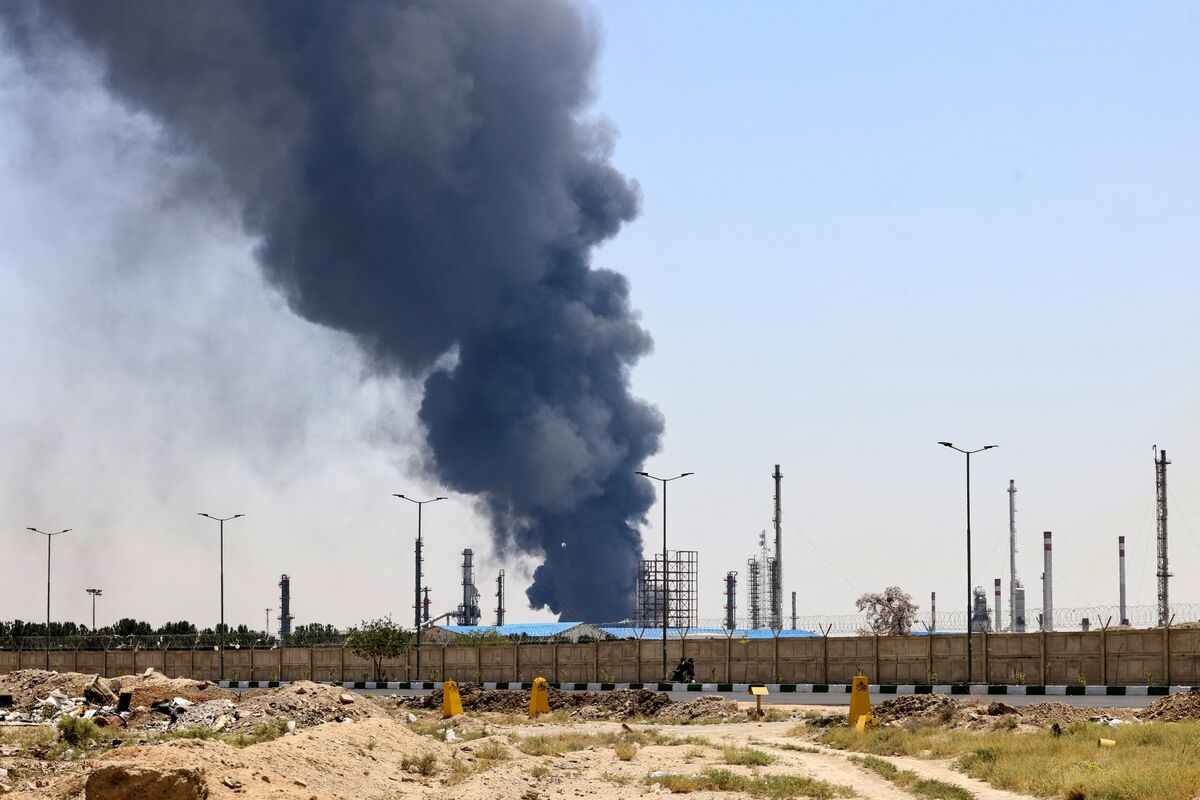
Despite escalating tensions between Israel and Iran, oil prices have remained stable, reflecting a shift towards a global oil surplus. The International Energy Agency reports a substantial increase in world oil inventories, with a surplus of 1 million barrels per day in recent months, mitigating the price impact of geopolitical instability.
The oil market is exhibiting notable price stability despite the recent escalation in geopolitical tensions involving an Israeli attack on Iran, a major oil producer. This subdued price action, even in the face of a historically significant risk event, is attributed to a fundamental shift in market dynamics towards a global oil surplus. According to the International Energy Agency (IEA), world oil inventories have increased substantially, by approximately 1 million barrels per day in recent months. This supply overhang appears to be effectively cushioning the market from the typical price volatility associated with Middle Eastern conflicts, suggesting that current supply levels are more than adequate to absorb near-term disruptions or heightened risk perceptions. The market's calm indicates that the impact of surplus inventories is currently outweighing the geopolitical fear premium traditionally priced into crude oil.
AI-powered research, real-time alerts, and portfolio analytics for institutional investors.
Request DemoOverall Sentiment
mildly positive
Sentiment Score
0.25
