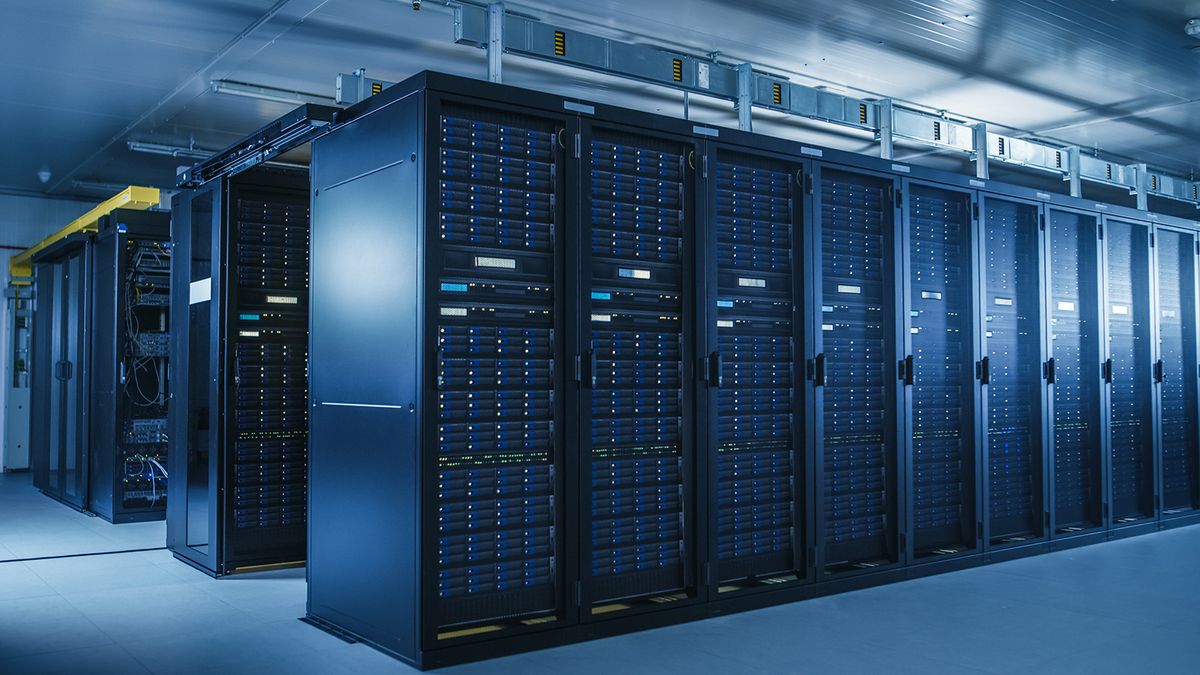
Data centers require substantial water for cooling—Google reported using over 6 billion gallons in 2023 and U.S. data centers collectively used an estimated 174 billion gallons in 2020, with some facilities consuming over 1 million gallons per day. The U.S. hosts more than 5,300 data centers (early 2024), and operators are increasingly balancing energy versus water tradeoffs by adopting recycled/non-potable water, immersion cooling, and working with local authorities to site projects amid water-stressed regions—factors that can affect siting decisions, operating costs, and regulatory exposure for large cloud and hyperscale operators.
Market structure: Large hyperscalers (GOOGL/GOOG) and colocation landlords (DLR, EQIX) face rising operational costs and permitting friction as water becomes a constrained input — Google’s ~6bn gallon 2023 footprint and U.S. data-center use ~174bn gallons signal persistent demand for cooling solutions. Winners include water-treatment and industrial-pump vendors (XYL, ECL, AWK) and specialist cooling-tech providers where pricing power can move from landlords to suppliers via long-term service contracts. Commodity impact: higher freshwater scarcity raises municipal water prices and could lift utility capex and muni bond issuance tied to water infrastructure.
Risk assessment: Tail risks include municipal bans on potable water use for cooling or mandatory retrofits (low-probability but high-impact for DLR/EQIX), sudden drought-induced curtailments, or technology breakouts (immersion cooling) that materially reduce water demand. Immediate window (days): regulatory announcements or large hyperscaler disclosures can move REITs; short-term (3–12 months): capex announcements and supplier contract wins; long-term (2–5 years): shift to immersion/dry cooling compresses water suppliers’ growth. Hidden dependencies: energy-water tradeoffs — switching to air/dry cooling raises electricity demand and carbon exposure, creating second-order regulatory risk.
Trade implications: Tactical longs — industrial water-tech (XYL, ECL) and selected municipal water contractors — with 6–12 month time horizons to capture contract rollouts. Relative-value: pair long XYL vs short DLR to capture supplier upside vs landlord capex/permit risk. Options: buy 3–9 month puts on DLR/EQIX as insurance; consider calls on immersion-cooling innovators if public. Rotate 5–15% portfolio away from unconcentrated data-center REIT exposure into water-tech and regulated water utilities with stable cashflows.
Contrarian angles: Consensus assumes ever-increasing water demand; the market underprices fast adoption of immersion cooling which could cut water use by 50–90% at hyperscalers, hitting water-tech multiples. Conversely, regulated water utilities may be overvalued for growth — their revenues are sticky but upside limited. Historical parallel: thermal power plants’ shift to dry cooling raised OPEX and changed fuel mix; here energy-cost inflation is the overlooked offset. Unintended consequence: aggressive water restrictions could accelerate on-premise cloud consolidation with hyperscalers gaining pricing leverage, benefiting GOOGL long-term despite near-term negative optics.
AI-powered research, real-time alerts, and portfolio analytics for institutional investors.
Request DemoOverall Sentiment
neutral
Sentiment Score
0.00
Ticker Sentiment
