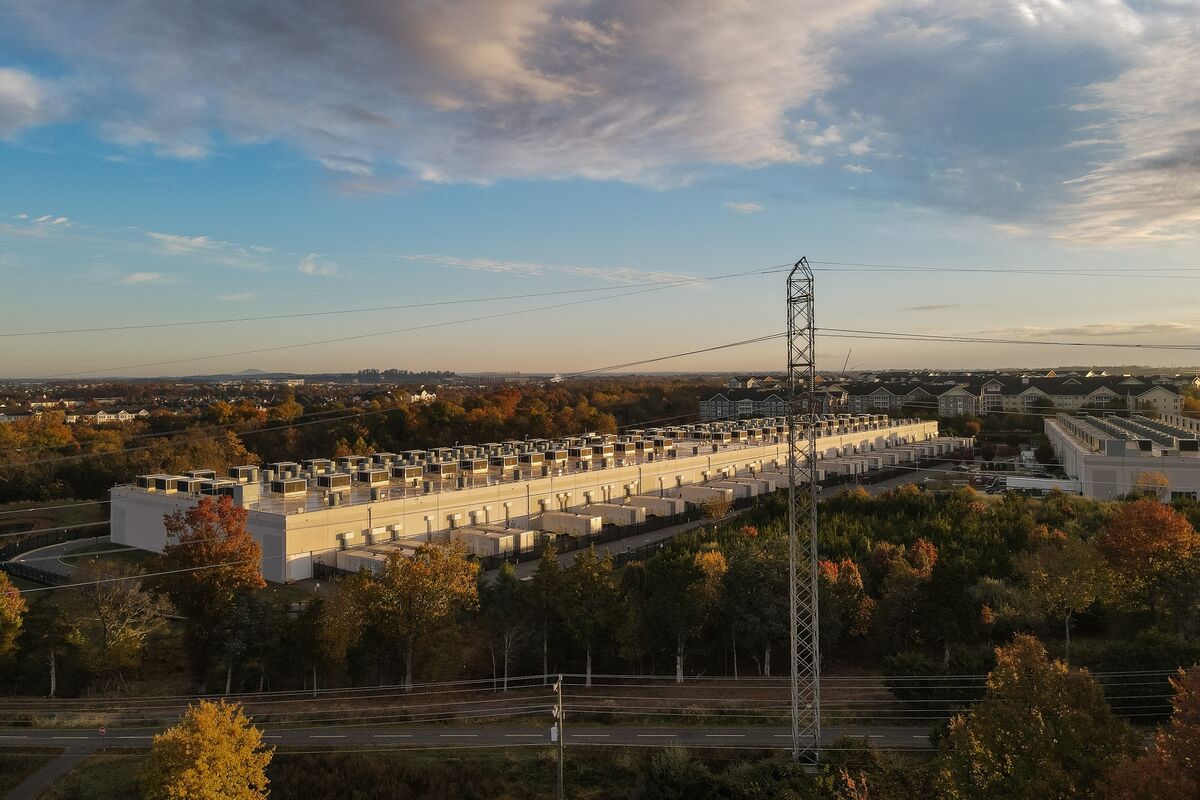
Amazon.com Inc. said it will invest up to $50 billion to expand AWS capacity to provide artificial intelligence and high-performance computing services to U.S. government entities, planning to break ground next year on data centers that will add roughly 1.3 gigawatts of capacity tailored for federal agencies. The move signals a sizeable, multi-year capital expenditure aimed at capturing federal AI/HPC demand and could materially bolster AWS revenue and competitive positioning in government cloud contracts while implying meaningful near-term capex and infrastructure commitments.
Market structure: AWS gains asymmetric leverage in a segmented federal market where scale, security accreditations and localized capacity translate into bidding advantage versus smaller cloud providers. Expect incumbents with established gov footprints (MSFT, ORCL) to defend via pricing and integration bundles, pressuring smaller competitors and raising short-term bid aggressiveness; semiconductors and power-intensive services likely see sustained demand for 3–5 years.
Risk assessment: Key tail risks are regulatory scrutiny of large federal supplier concentration, prolonged GPU/server supply constraints, and multi-year construction cost overruns that compress near-term free cash flow. In days-to-weeks price moves will be headline-driven, in 3–12 months watch budget approvals and RFP outcomes, and over 2–5 years the revenue mix shift and ROI on infrastructure define EPS trajectory.
Trade implications: Favor exposure to cloud infra beneficiaries and GPU suppliers while hedging program execution risk; use 9–18 month option structures to capture upside tied to contract awards and semiconductor cycles. Rotate into data-center REITs and select defense integrators on updrafts, and use relative-value pairs to neutralize macro beta.
Contrarian angles: Consensus understates margin pressure from aggressive public-sector pricing and the impact of restricted domestic-only builds on ROI; historical parallels (large cloud capex spurts) show short-term margin dilution before revenue catch-up over 24–36 months. Unintended consequences include amplified political scrutiny and local grid constraints that could slow activation timelines.
AI-powered research, real-time alerts, and portfolio analytics for institutional investors.
Request DemoOverall Sentiment
moderately positive
Sentiment Score
0.50
Ticker Sentiment
