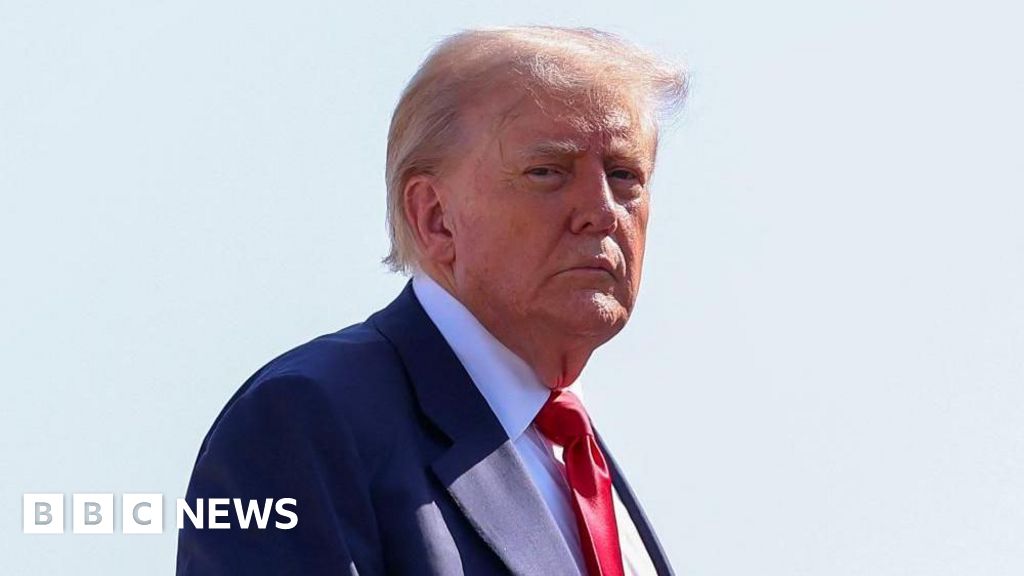
President Trump has indicated he does not expect to reach a trade deal with Canada by the August 1 deadline, suggesting tariffs, potentially a 35% tax on US importers, may be imposed instead of a negotiated agreement. This marks a notable shift from his prior optimism and heightens trade tensions, posing significant economic implications for Canada given its heavy reliance on the U.S. market and deeply integrated auto sector, while Canadian officials maintain they will not accept a 'bad deal'.
The probability of a US-Canada trade deal being reached by the August 1 deadline has significantly decreased, following President Trump's statement that he does not expect an agreement and may instead impose tariffs. This represents a marked reversal from his optimistic tone just a week prior and introduces substantial uncertainty into North American trade dynamics. A potential 35% tax on Canadian goods looms, adding to existing tariffs including a 25% levy on certain goods and higher rates on metals and automobiles. Canadian officials have reinforced this potential for an impasse, stating they will not be rushed into a "bad deal" and that significant work remains. The economic stakes are high, particularly for Canada, which sends three-quarters of its exports to the US and has a deeply integrated auto industry. This escalation in trade friction threatens to disrupt critical supply chains and, as critics warn, may increase costs for US consumers, directly challenging the administration's goal of protecting American jobs without negative domestic consequences.
AI-powered research, real-time alerts, and portfolio analytics for institutional investors.
Request DemoOverall Sentiment
strongly negative
Sentiment Score
-0.65
