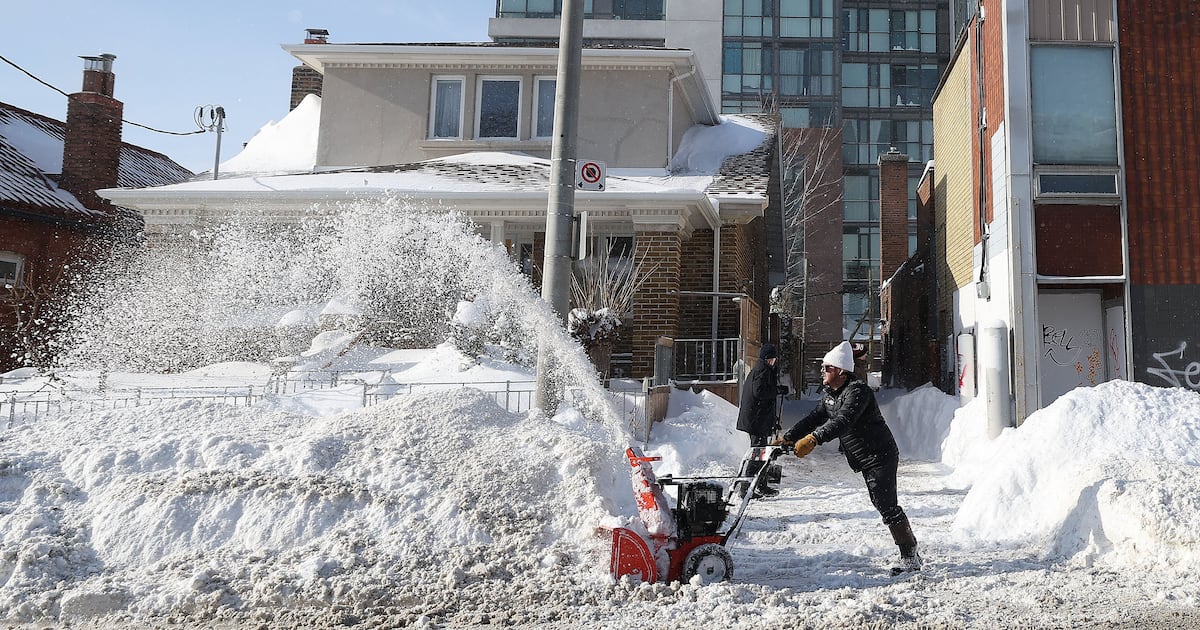
Toronto experienced its largest single-day snowstorm on record, triggering citywide cleanup efforts and widespread disruptions to transportation and daily commerce. Immediate financial implications are localized and short-lived—reductions in retail foot traffic, commuter productivity losses, and potential temporary airport/port delays—while broader market effects are expected to be minimal.
Market structure: The historic Toronto single‑day snowstorm creates clear short‑term winners (home‑improvement retailers, local snow‑removal contractors, utilities and heating suppliers) and losers (airlines, airport ops, last‑mile carriers, time‑sensitive e‑commerce merchants). Expect pricing power to shift temporarily to winter services and HVAC/natural‑gas suppliers for ~1–6 weeks; logistics capacity will tighten, raising spot delivery costs and fulfilment lead times by an estimated 10–30% in the worst‑hit corridors.
Risk assessment: Tail risks include a prolonged transportation freeze (>7 days) that causes multi‑week retail stockouts into the holiday season, or rapid melt triggering floods and larger insured losses; both would pressure municipal services and insurers’ reserves. Immediate impact (days) is cancellations and delivery delays, short term (weeks) is backlog compression and higher operating costs, long term (quarters) is modest margin pressure for logistics and potential reinsurance repricing if claims aggregate.
Trade implications: Position for a 2–8 week window: short high‑beta airline/last‑mile exposure and buy HVAC/DIY retail and short‑term natural gas exposure for heating demand; expect 5–15% moves in stressed names/commodities within 2–6 weeks. Use pair trades (rail vs last‑mile), 30–45 day call spreads on home‑improvement names, and small directional gas futures/ETF exposure sized 1–3% of risk capital.
Contrarian angles: The market may overprice permanent damage to travel and e‑commerce — historical storms show 7–21 day normalization for flights and deliveries, creating mean‑reversion upside in beaten‑down carriers. Conversely, insurers’ headline fear may be overstated if damage is mainly transient (clean‑up, not structural), so avoid knee‑jerk long reinsurance trades until 30‑day claims data is public.
AI-powered research, real-time alerts, and portfolio analytics for institutional investors.
Request DemoOverall Sentiment
mildly negative
Sentiment Score
-0.25
