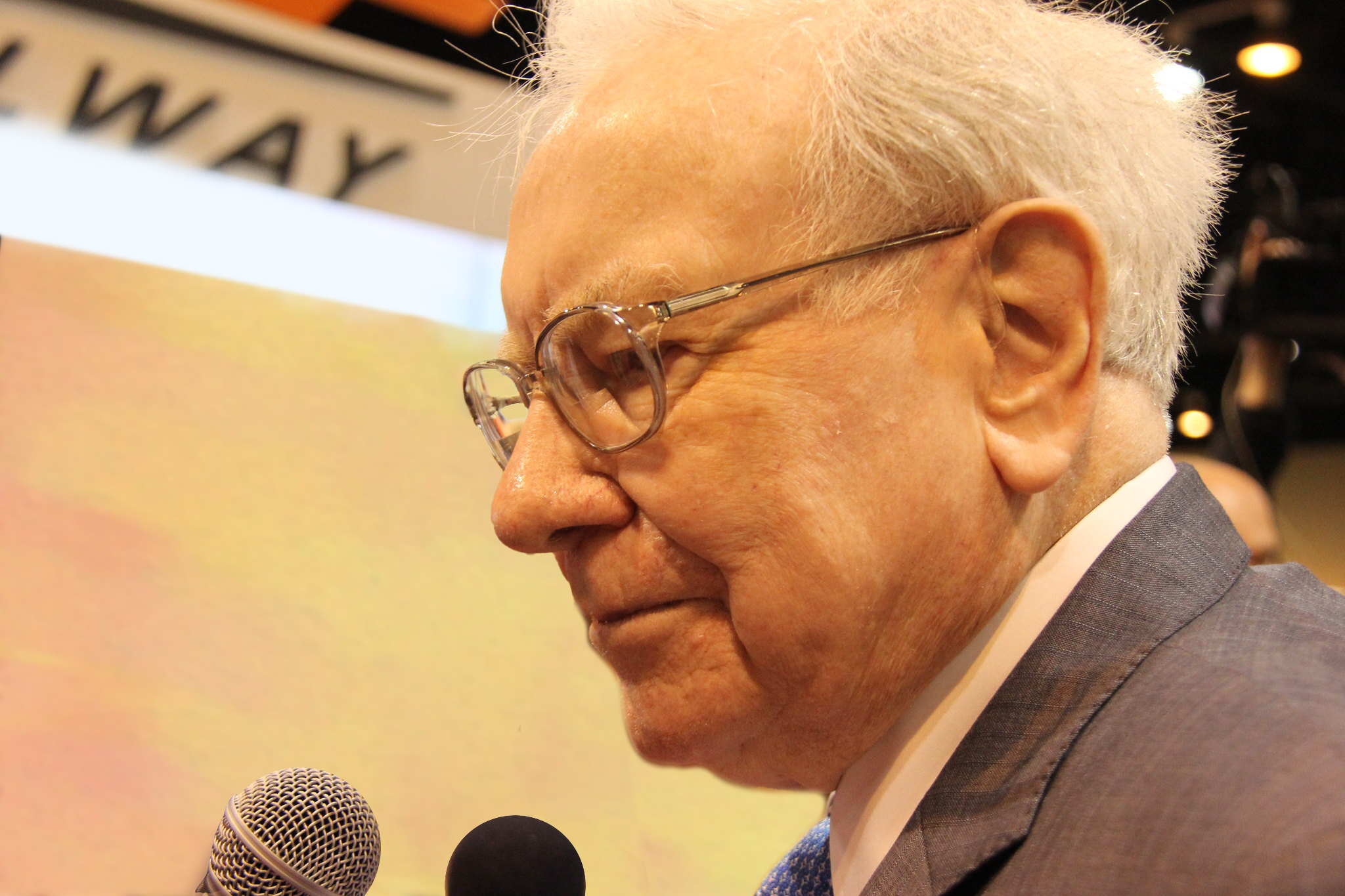
Warren Buffett's Berkshire Hathaway has amassed a record $381 billion cash hoard, signaling caution amidst historically high market valuations. The S&P 500's current price-to-earnings ratio of approximately 32 is double its long-term average of 16 since 1870, a level only reached three other times in the past 25 years (dot-com bubble, 2008 financial crisis, 2020 flash crash). While structural factors like productivity gains and technological advancements contribute to higher recent valuations, this elevated P/E ratio underscores a period of significant market expense, prompting even seasoned investors to maintain liquidity.
The S&P 500's current price-to-earnings (P/E) ratio stands at approximately 32, which is double its long-term average of 16 since 1870. This elevated valuation level has only been observed four times in history, with all occurrences happening within the last 25 years, including the dot-com bubble, the 2008 financial crisis, and the 2020 flash crash. This indicates a period of historically significant market expense.
This high valuation environment is reflected in the actions of seasoned investors like Warren Buffett, whose Berkshire Hathaway has accumulated a record $381 billion cash hoard. This substantial liquidity position signals a cautious stance from an expert investor, suggesting a perceived lack of attractive investment opportunities at current market prices.
While current valuations are historically high, the article notes that structural factors such as rising productivity, higher corporate profit margins, and the advent of new technologies like the internet and artificial intelligence have contributed to structurally higher market valuations in recent decades. This suggests that while expensive, there are underlying economic shifts supporting some of this re-rating, though the current level remains a significant outlier.
AI-powered research, real-time alerts, and portfolio analytics for institutional investors.
Overall Sentiment
moderately negative
Sentiment Score
-0.50
