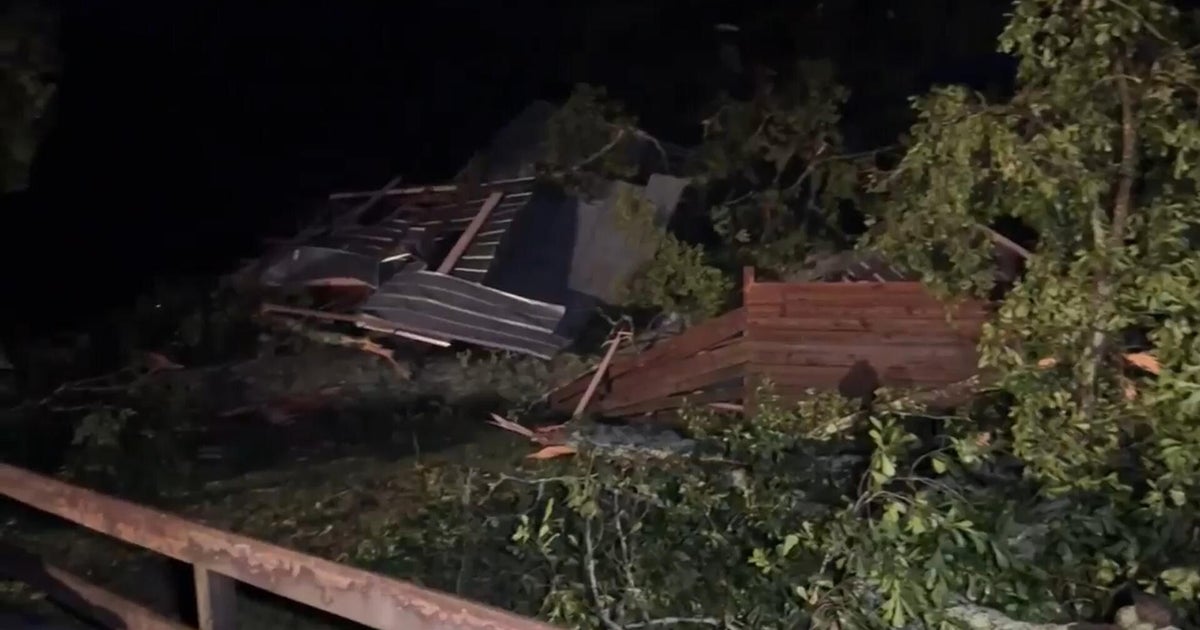
At least 14 tornadoes were reported across Mississippi, with one confirmed tornado, at least 17 injuries, hundreds of homes damaged or destroyed, and widespread power outages across multiple counties. A child was reported missing and emergency officials said damage assessments are ongoing with roads blocked and several injuries but no deaths confirmed. The storms also threatened broader disruption across the Southeast as additional tornadoes remained possible in neighboring states.
The immediate market impact is less about the storm itself and more about the compounding disruption to already brittle local balance sheets. In the next 2-6 weeks, the trade is not catastrophe exposure per se, but the inventory, labor, and receivables shock to small regional contractors, roofers, HVAC installers, and independent agents that will see demand surge while working capital gets tied up. That creates a quiet winner/loser split: national insurers with broad reinsurance protection can absorb claims better than local mutuals, while subcontractor margins get squeezed by overtime labor, material inflation, and blocked logistics.
A second-order effect is on housing supply in a state where replacement demand is likely to be bottlenecked by permitting, trades labor, and financing. That tends to lift near-term volumes for national building-material suppliers more than for homebuilders, because rebuilds consume roofing, lumber, windows, and drywall immediately, while new home starts are delayed. The bigger risk is that this becomes a multi-quarter affordability drag if mortgage-rate sensitivity collides with displacement and repair costs, pushing some households to deferred maintenance rather than full rebuilds.
The underappreciated catalyst is power-restoration spend: storms like this typically accelerate utility capex and vegetation-management budgets over the next 1-4 quarters. That is structurally supportive for grid hardening, pole/transformer replacement, and storm-response contractors, but it can also pressure regulated utilities through higher storm reserves and regulatory lag. Consensus will overfocus on the headline disaster, underweighting that the commercial beneficiaries are often the boring industrials and claims-processing names, not the obvious “disaster” trades.
Near term, the tail risk is further severe weather across the Southeast, which would extend claims severity and compound restoration delays. Over 3-12 months, the key reversal would be a fast federal/state aid package plus insurance recoveries, which can normalize spending but rarely unwind the labor and materials inflation embedded in the rebuild cycle.
AI-powered research, real-time alerts, and portfolio analytics for institutional investors.
Request DemoOverall Sentiment
strongly negative
Sentiment Score
-0.70
