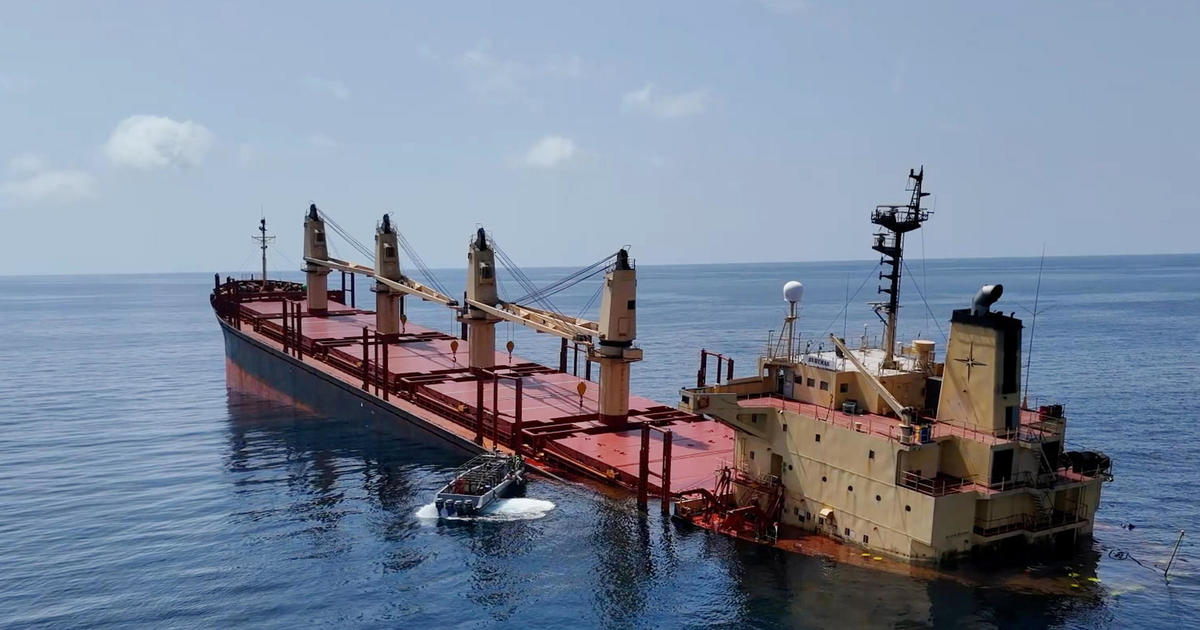
Iran has declared the Strait of Hormuz closed to unauthorized ships, pushing Brent from roughly $70/bbl pre-war to over $110/bbl and prompting Macquarie to assign a 40% chance of oil hitting $200/bbl by June. The IRGC forced ultra-large COSCO container ships to turn back near Larak Island, is reportedly charging transit fees up to $2m per vessel, and has threatened the Bab el-Mandeb (which handles ~10% of global oil), raising the prospect of simultaneous chokepoint disruptions that would materially tighten regional oil and gas supplies and drive risk-off market dynamics.
The immediate market implication is not just higher spot crude but a structural increase in delivered cost curves for barrels routed from the Gulf to Asia/Europe. Rerouting and longer voyage insurance raise per-barrel landed costs by low-single-digit dollars on marginal barrels and by multiples for small parcels that must use time-charter tonnage; that margin compression reallocates incremental cashflow toward owners of tonnage and midstream logistics rather than refiners.
Second-order winners will therefore be VLCC/tanker owners and brokers, and select US export hubs that can capture displaced Atlantic demand; losers are refiners and petrochemical plants that cannot rapidly retune crude slates or that rely on tight, just-in-time feedstock flows. Expect freight rate volatility to amplify oil price moves — a 2x move in clean/tanker TC (time charter) rates historically translates into a 3–6% swing in refining margins in import-dependent regions.
Time horizons matter: market dislocations (voyage reroutes, insurance spikes, tactical shut-ins) drive days-to-weeks price moves, while durable changes (formalized transit fees, proxy escalation) shift capex and trade lanes over quarters. Reversal catalysts include a coalition naval escort/maritime-security agreement or significant diplomatic backchannel deals that reduce insurance premia; alternatively, sustained high prices for 90+ days will reaccelerate US shale ramp-up and temper prices in 3–9 months.
Risk is asymmetric: a short, sharp supply-blockade shock can send backwardated markets into panic and force logistical hoarding, but prolonged high-price regimes encourage demand response (fuel switching, refinery run cuts) and political release of strategic inventories. That profile favors convex, barbell positioning (own real-asset/transport convexity while hedging systemic price spikes).
AI-powered research, real-time alerts, and portfolio analytics for institutional investors.
Request DemoOverall Sentiment
strongly negative
Sentiment Score
-0.80
