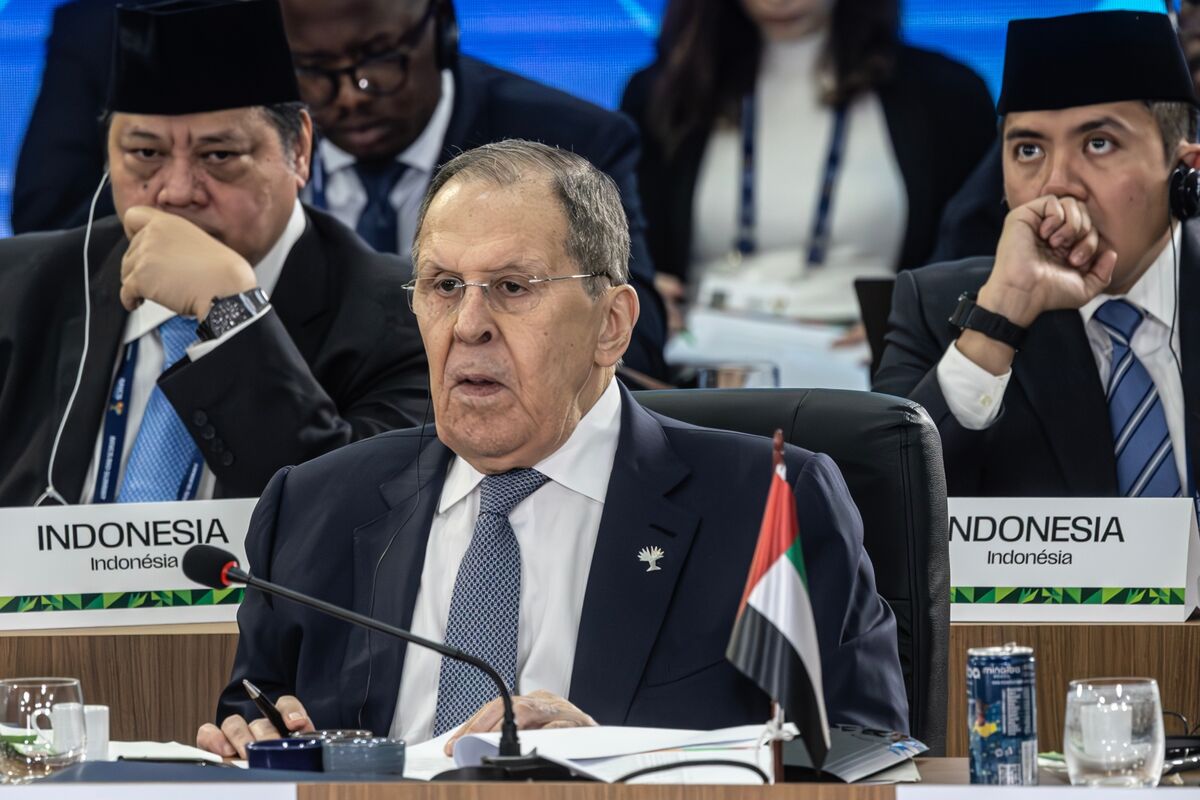
Russian Foreign Minister Sergei Lavrov has commenced a three-day visit to North Korea, engaging in talks with his counterpart Choe Son Hui. This high-level engagement underscores deepening ties between the two heavily sanctioned nations, signaling a potential consolidation of an anti-Western bloc and raising implications for global geopolitical stability and alliance structures.
The three-day visit by Russian Foreign Minister Sergei Lavrov to North Korea for talks with his counterpart Choe Son Hui marks a significant and public reinforcement of the bilateral relationship between the two heavily sanctioned states. This high-level engagement underscores a strategic alignment, suggesting a concerted effort to build a coalition of nations operating outside the Western-led geopolitical and economic framework. While the immediate market impact is assessed as low, the event contributes to a broader trend of geopolitical fragmentation. The meeting's focus on deepening ties between nations under extensive international sanctions points to potential future cooperation aimed at mitigating the effects of these measures, a key development under the theme of 'Sanctions & Export Controls'. This formal diplomatic contact serves as a direct signal of a growing anti-Western bloc, which has long-term implications for global stability and international relations.
AI-powered research, real-time alerts, and portfolio analytics for institutional investors.
Request DemoOverall Sentiment
neutral
Sentiment Score
0.00
