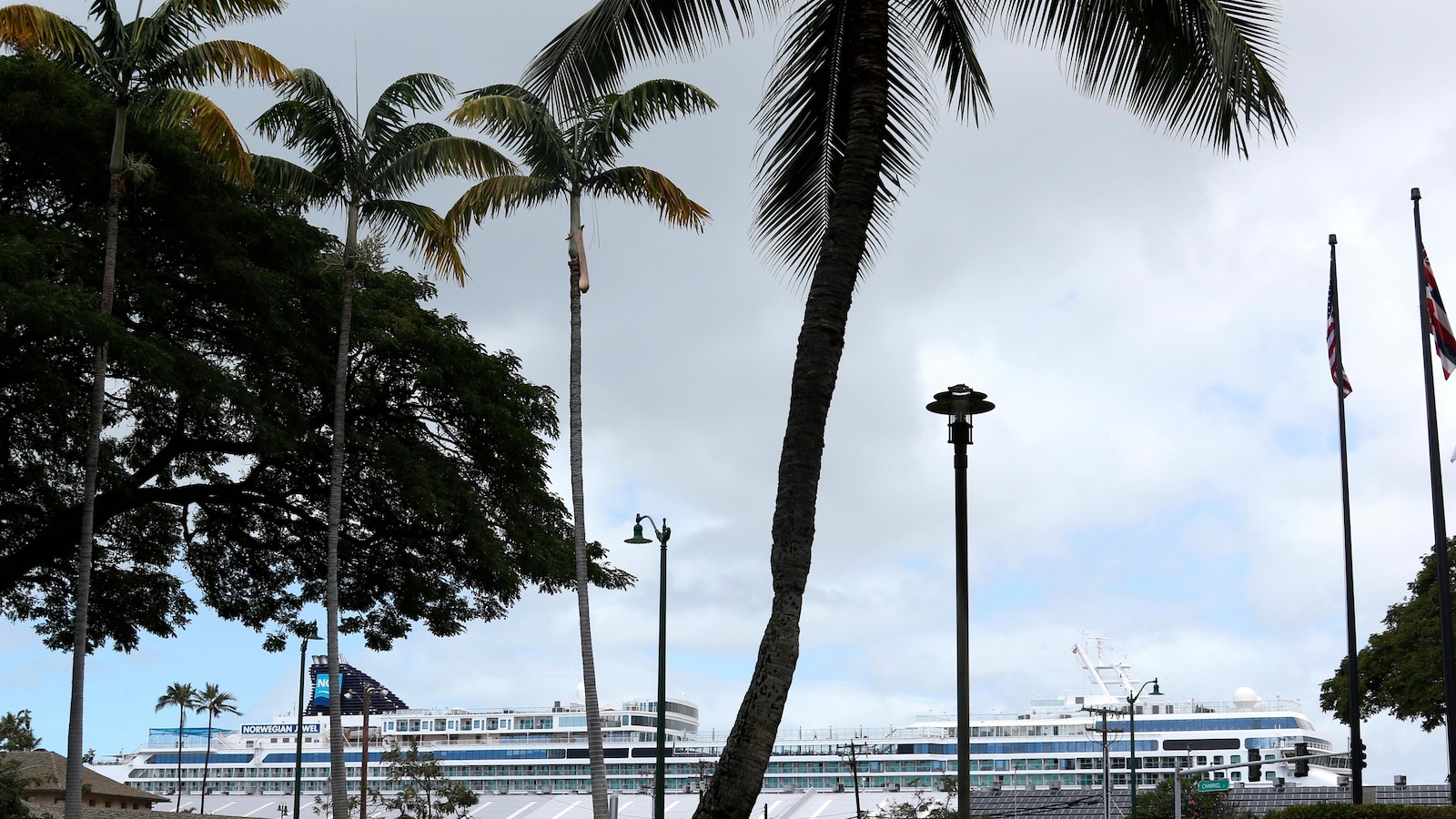
A federal appeals court has temporarily barred Hawaii from enforcing an 11% climate-change passenger tax on cruise ship fares (with an authorized additional 3% county surcharge, bringing affected prorated fares up to 14%) that was to begin in 2026; the levy was projected to raise nearly $100 million annually for climate-related coastal and wildfire mitigation. Cruise Lines International Association sued, arguing the law unconstitutionally taxes ships entering ports; a U.S. district judge had upheld the law but two judges on the 9th Circuit granted an injunction pending appeals, leaving the cruise-specific provisions paused while litigation proceeds.
Market structure: The injunction is an immediate de‑risk for cruise operators (CCL, RCL, NCLH), removing an 11% gross‑fare tax risk on Hawaii legs and a county surcharge up to 3%, which would have been a material (single‑digit to mid‑teens percent) price headwind on itineraries that include multiple Hawaii port days. Hotels/vacation‑rental players in Hawaii face asymmetric outcomes because the lawsuit targeted only cruise provisions; that preserves downside to lodging demand and local government revenue plans. Cross‑asset: expect modest positive equity moves for cruise names, minor tightening in short‑term Hawaii muni spreads, and little commodity impact besides transient fuel hedging adjustments for carriers.
Risk assessment: Tail risks include a 9th Circuit or Supreme Court reversal within 3–12 months that reinstates the levy, or counties adding the 3% surcharge through alternate local rules; either would trigger a replay of fare pricing pressure and ticket demand elasticity (-5% to -15% on affected itineraries). Near term (days–weeks) volatility is driven by litigation calendar; medium term (3–12 months) by appeals and potential legislative responses; long term (years) by precedent for port/access taxation across coastal states. Hidden dependency: cruise pricing elasticity is route‑specific—Hawaii routes have fewer substitutes, so consumer pass‑through may be higher than for Caribbean itineraries.
Trade implications: Tactical overweight small positions in RCL/CCL (see decisions) while hedging legal reversal risk with 3–6 month puts or buying 9–12 month protective put collars. Consider underweight or trim exposure to Hawaii‑centric lodging and long‑duration Hawaii muni bonds (sell/avoid new issue >10y) given fiscal uncertainty; pair trade: long RCL, short HA (Hawaiian Holdings) to exploit asymmetric tax exposure if lodging/air tax take‑up reduces hotel stay demand. Entry: initiate within 1–10 trading days; exits tied to appellate milestones (close or hedge more if reversed).
Contrarian angles: Markets may be underpricing the probability of broader state‑level port taxes being challenged or adopted—if Hawaii eventually prevails on appeal, cruise operators could face recurring tariffs elsewhere, reintroducing structural margin pressure. Conversely, a sustained legal win for cruise lines would likely cause a multi‑quarter re‑rating (20%+ on select names) as previously priced‑in regulatory risk evaporates. Unintended consequence: cruise lines could expand Hawaii deployments, lifting upstream suppliers (marine fuel, provisions, port services) — monitor supplier order books and charter utilization for alpha.
AI-powered research, real-time alerts, and portfolio analytics for institutional investors.
Request DemoOverall Sentiment
neutral
Sentiment Score
0.12
