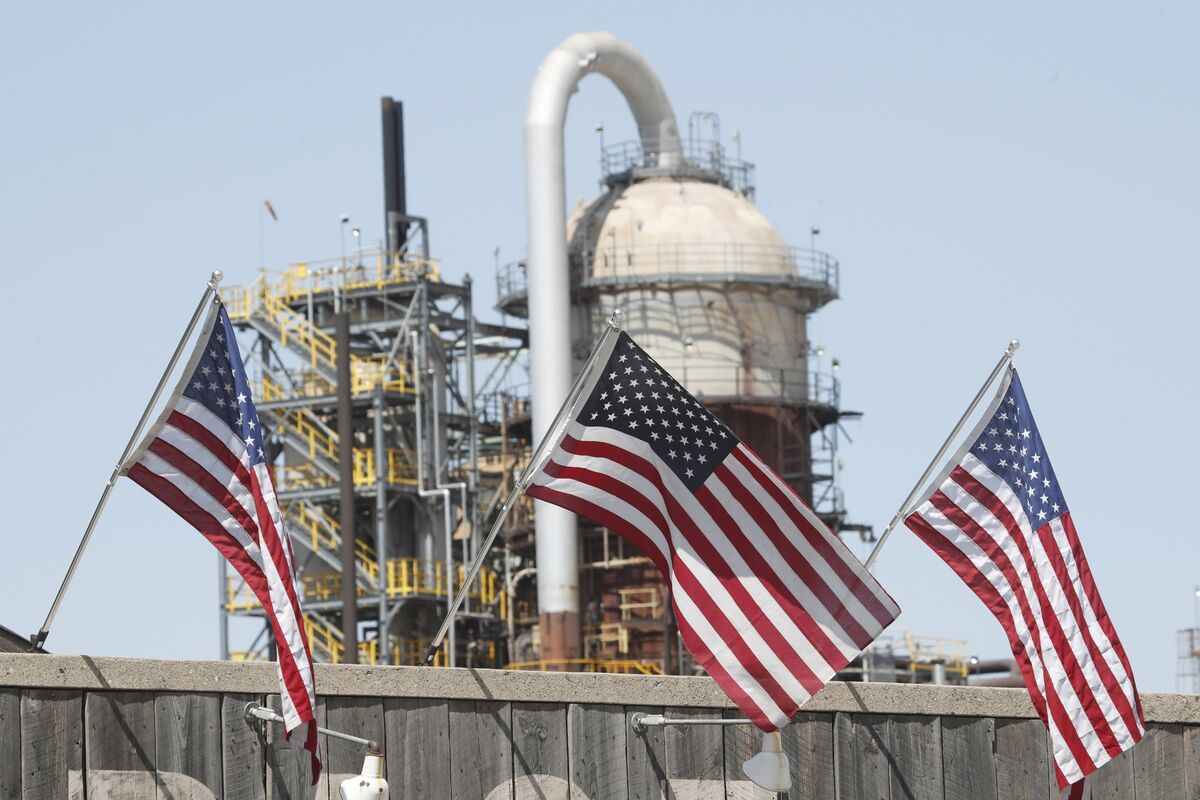
War-driven oil-price spike tied to the Iran conflict is threatening to stifle a nascent U.S. factory recovery by raising input costs across the industrial sector. The piece warns that continued energy-driven price increases could cause supply-chain breakdowns and demand destruction as customers reach limits on absorbing higher costs.
An energy-driven cost shock transmits through manufacturing via two fast, compounding channels: (1) direct fuel and input-cost pass-through that hits gross margins immediately for energy- and transport-intensive producers, and (2) demand-side elasticity where end buyers delay purchases once cumulative price increases exceed a threshold — empirically around 3-6 months after the first large input shock. Expect inventory destocking and order-pullback in Q1–Q2, with a 5–12% volume hit to discretionary capital goods historically once OEMs push pricing beyond competitive alternatives.
Second-order winners include vertically integrated energy and commodity firms that capture margin quickly and logistics providers with flexible routing/contracting; losers are small/mid-tier contract manufacturers and suppliers with thin margins and high working-capital intensity. Tight oil-linked inflation raises the probability the Fed stays restrictive into late 2024, boosting discount rates and amplifying multiple compression on cyclicals; conversely, durable goods producers with hedged energy exposure or pricing power can re-rate.
Key catalysts and tail risks: escalation that disrupts chokepoints could spike Brent >$120 within days, forcing immediate production cuts and rapid margin transfers to producers; a diplomatic or market-led easing could reverse much of the move over 2–4 months. Watch near-term indicators — tanker routing data, refinery throughput, and OEM backlog cancellations — for leading signals; mean reversion is plausible if demand destruction materially reduces fuel consumption within two quarters.
AI-powered research, real-time alerts, and portfolio analytics for institutional investors.
Overall Sentiment
moderately negative
Sentiment Score
-0.45
