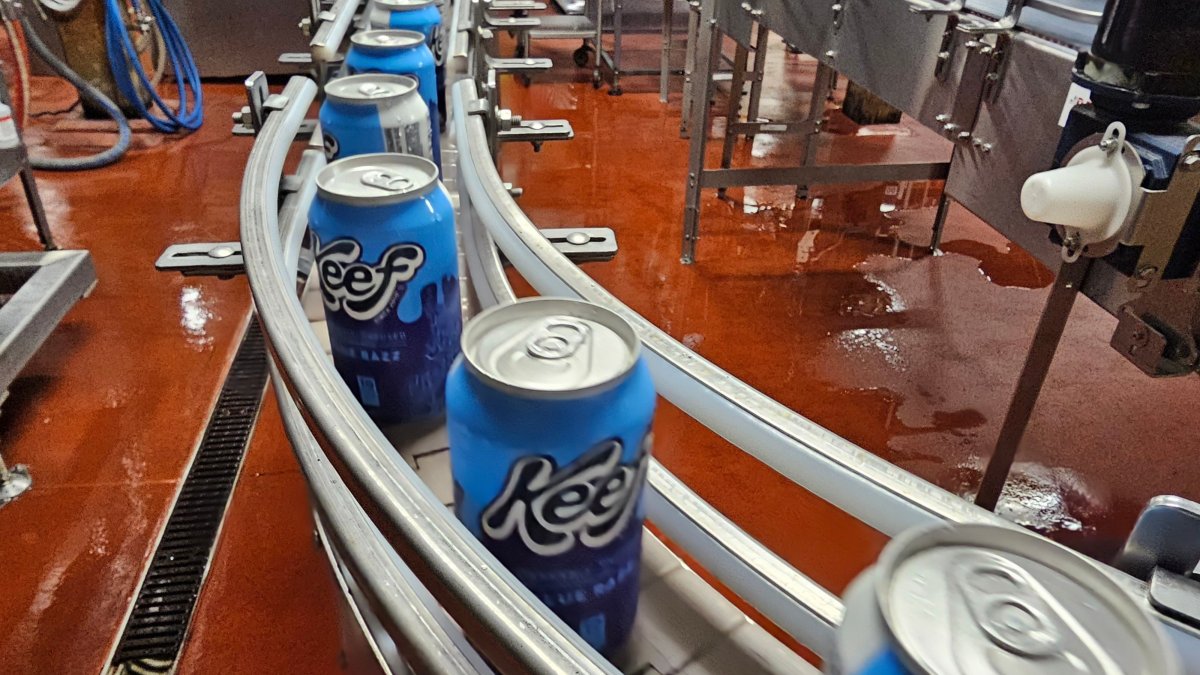
Congressional language added to the bill that ended the recent federal shutdown includes a federal ban on intoxicating hemp-derived THC products, threatening a roughly $24 billion hemp sector and, the industry says, more than 300,000 jobs and $1.5 billion in state tax revenue; the ban was inserted by Sen. Mitch McConnell and takes effect November 2026. The measure would upend a fast-growing market—THC seltzers and edibles that have become material revenue drivers for some craft breweries (Indeed reports THC drinks are ~25% of its business; Bauhaus says 26% of distributed revenues and 11% at its taproom) and have led retailers such as Target to carry THC drinks in some states. The one-year delay has spurred lobbying and proposals for state-based regulatory models, but if the ban stands it could sharply curtail hemp-derived THC products, hurt farmers' planting decisions, and disrupt related retail and craft-beverage revenue streams.
Market structure: A federal ban on impairing hemp-derived THC (effective Nov 2026) reallocates consumer spend from unregulated hemp products to the regulated cannabis channel and incumbents in legal states. Winners are licensed multi-state operators (MSOs) and regulated retail/distribution (expected +5–20% EBITDA uplift in legal markets over 12–24 months, depending on state crossover); losers are pure-play hemp processors, small craft brewers and convenience stores that rely on THC seltzers/snacks (could see revenue declines of 10–40% in affected geographies). The change tightens pricing power for taxed/legal cannabis while collapsing demand for industrial hemp biomass and synthetically-derived THC intermediates.
Risk assessment: Tail risks include (1) repeal/amendment of the ban via Congressional or judicial action (low probability but high impact), (2) accelerated state-level regulation that preserves hemp-derived products (reduces MSO upside), and (3) a black-market surge that boosts illicit prices. Time horizons: immediate market repricing and lobbying in next 30–90 days; planting/production decisions hinge on spring 2025 (farmers' capex and acreage signals); structural revenue shifts materialize by late 2026. Hidden dependencies include state tax buffers and licensing bottlenecks that could slow MSO capacity to absorb displaced demand.
Trade implications: Direct plays — long regulated cannabis exposure (MJ ETF, TLRY, CGC, CURLF) and take short/avoid positions in public hemp/CBD pure-plays with >50% hemp revenue; use 12–18 month call spreads for leverage (buy 25% OTM, sell 60% OTM). Pair trade — long MJ (MJ ETF) vs short a basket of small-cap CBD/hemp names (example: Charlotte’s Web OTC exposure) to isolate regulatory reallocation. Options strategies — buy 12-month calls on TLRY/CGC or construct calendar spreads to capture expected re-rate into late-2025/2026; sell covered calls to harvest premiums during regulatory clarity delays.
Contrarian angles: Consensus underestimates state-level regulatory salvage work — Minnesota/Klobuchar model could preserve limited hemp-infused beverages under strict rules, muting MSO upside; conversely the market may be overpricing immediate shutdown of hemp demand given the one-year implementation window. Historical parallel: tobacco regulation drove consolidation then premium pricing for compliant incumbents — look for M&A targets among cheap hemp processors with infrastructure (12–24 month acquisition window). Unintended consequence: agricultural oversupply could crater hemp biomass prices, creating bargain acquisition targets and forcing industry consolidation sooner than the headline ban implies.
AI-powered research, real-time alerts, and portfolio analytics for institutional investors.
Request DemoOverall Sentiment
moderately negative
Sentiment Score
-0.60
Ticker Sentiment
