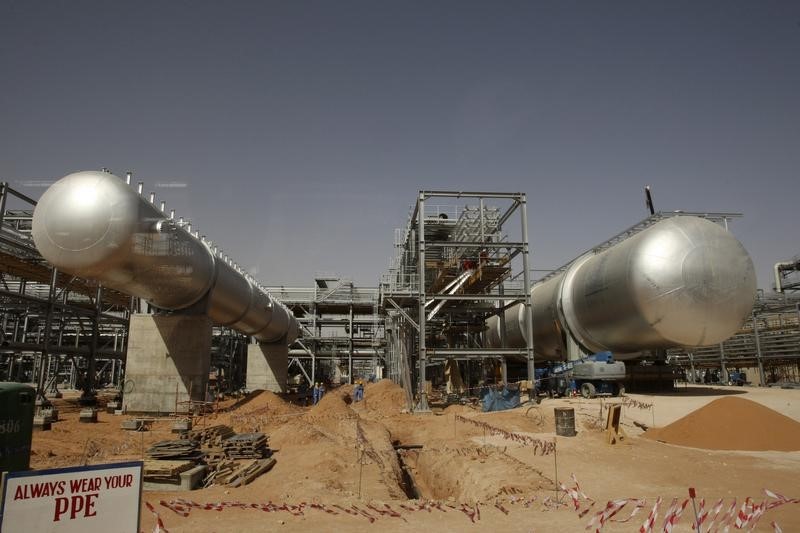
Gran Tierra Energy shares fell about 10% after four board members resigned, shrinking the board from nine to five directors. The resignations stem from disagreements over the Audit Committee's termination of independent legal counsel for an anonymous complaint investigation; resigning directors said this was a fundamental governance error. The company stated the complaint does not allege fraud or financial misstatement and the Audit Committee has directed further investigation and external advisors.
This is primarily a governance shock that immediately raises cost-of-capital and liquidity risk rather than an operational one — expect accelerated volatility and dealer-imposed widening of bid/offer spreads. In practical terms, forced selling (indexers/mandates dumping on headline risk) plus potential covenant scrutiny can magnify a near-term price move; a 20–30% extension of the initial drop is plausible inside 2–6 weeks if lenders or large holders mark down recoverable value. Second-order beneficiaries are clear: short sellers and event-arbitrage desks that profit from stretched liquidity, and professional governance/advisory firms that command outsized fees during board reconstitution. Conversely, suppliers and service contractors face delayed payments and margin pressure—operational impacts that typically surface 1–4 quarters after a governance crisis and can temporarily reduce production or capex execution even without financial statement issues. Key catalysts and timeframes to watch: (1) reinstatement or appointment of credible independent legal counsel (days–weeks) — a governance “fix” here usually halts momentum; (2) initiation of third-party reserve/audit verification (1–3 months) — a clean verification materially reduces tail-risk; (3) any lender covenant waivers or filings (weeks) — negative outcomes here can force asset sales or restructuring. Worst-case paths (litigation/restatement) play out over 6–24+ months and can impair valuation by multiples vs. peers. The consensus is underpricing a quick governance remediation scenario: if management re-hires independent counsel and adds two well-regarded independent directors, much of the forced liquidity premium should unwind within 2–8 weeks. That’s the tactical entry point for event-driven longs; absent that, the optimal posture is defensive — small, option-protected positions or pair trades that hedge headline risk.
AI-powered research, real-time alerts, and portfolio analytics for institutional investors.
Request DemoOverall Sentiment
strongly negative
Sentiment Score
-0.60
Ticker Sentiment
