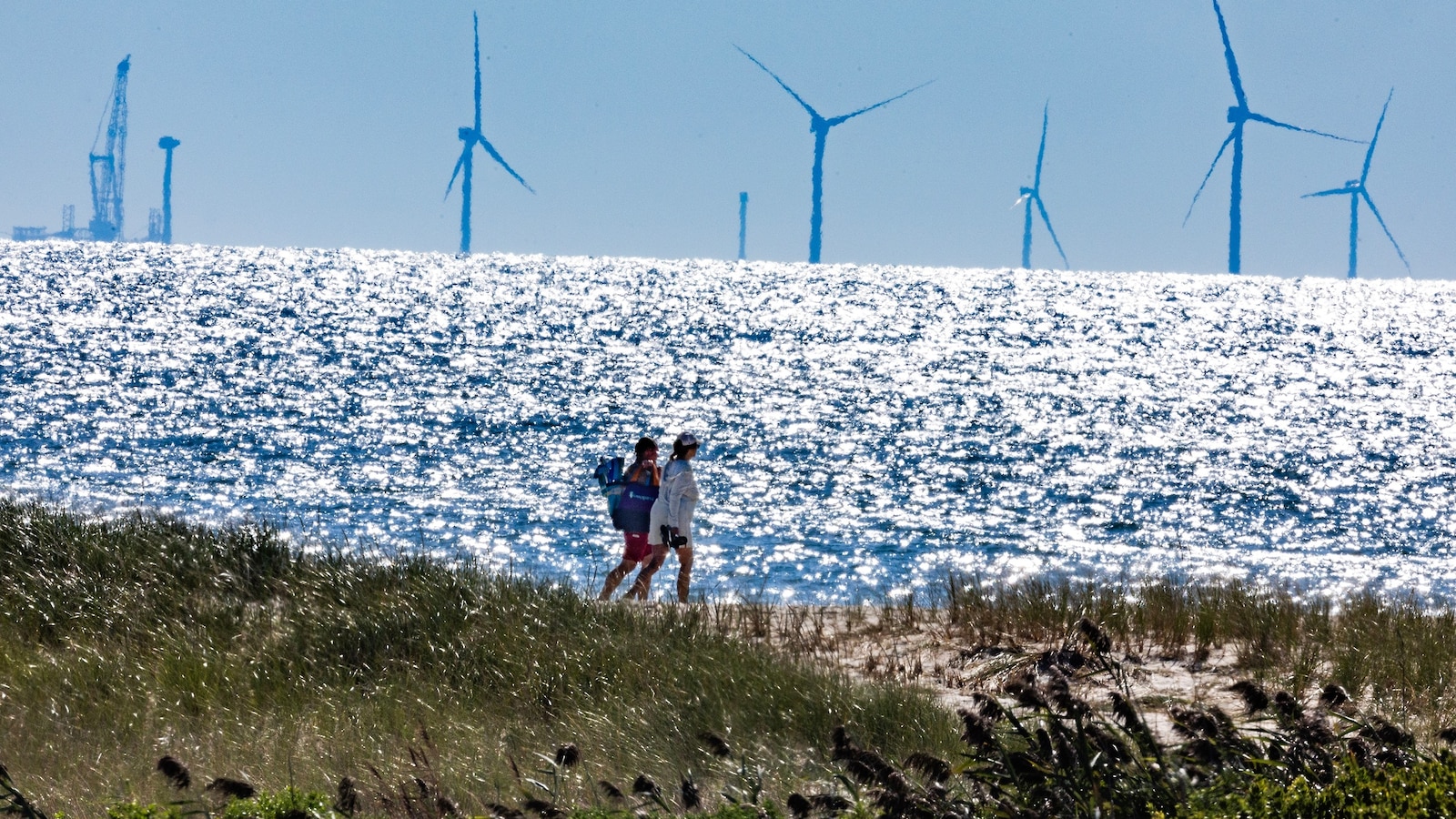
The Trump administration paused five offshore wind projects, citing classified Department of Defense national security concerns, a move officials say will eliminate roughly 6–8 GW of annual capacity and potentially waste billions in taxpayer and investor capital. Wind currently supplies about 10% of U.S. electricity with roughly 75,000 turbines nationwide; experts warn the cancellations will undermine the renewable transition, raise costs to reach net‑zero, and damage investor confidence in U.S. clean‑energy infrastructure. A federal judge recently struck down a prior executive order to broadly block wind leasing, underscoring ongoing legal and policy uncertainty for developers and financiers.
Market structure: The immediate winners are incumbent fossil-fuel producers and grid-reliant gas generators that pick up lost capacity; losers are offshore wind developers, OEMs and utilities with committed offshore contracts (e.g., Dominion Energy exposures). Expect a near-term squeeze on regional East Coast capacity — 6–8 GW removed — raising winter/summer power spreads by an estimated 5–15% in affected RTOs without offsetting capacity additions within 12–24 months.
Risk assessment: Tail risks include a swift judicial reversal (court forces lease reinstatement) or DOD declassification that clarifies limited radar mitigations — both would reflate renewables names quickly; conversely, a sustained policy ban could strand $billions and push investors to reprice long-duration green assets down 20–40% over 1–3 years. Hidden dependencies: accelerated gas demand could lift Henry Hub by 10–25%, and higher power prices raise inflation expectations and push 10y yields +20–50bps in months.
Trade implications: Tactical trades favor energy cyclicals and gas producers (6–12 month horizon) and short/hedge clean-energy ETFs and offshore-heavy utility positions. Options trades should exploit elevated event vol — buy directional calls on oil/gas names and buy puts or sell call spreads on clean-energy ETFs for 1–3 month windows around court/DOD announcements. Rotate portfolio 3–6% from pure-renewable beta into energy infra, defense suppliers (radar mitigation contractors), and grid builders.
Contrarian angles: Consensus assumes permanent policy shift; history (e.g., post-2016 renewables setbacks) shows legal and technical fixes often restore projects within 6–18 months, producing sharp snapbacks. If courts or tech mitigations prevail, offshore suppliers and European majors will see outsized rebounds — this asymmetric payoff suggests buying longer-dated exposure selectively while shorting near-term headline-sensitive paper.
AI-powered research, real-time alerts, and portfolio analytics for institutional investors.
Request DemoOverall Sentiment
strongly negative
Sentiment Score
-0.60
