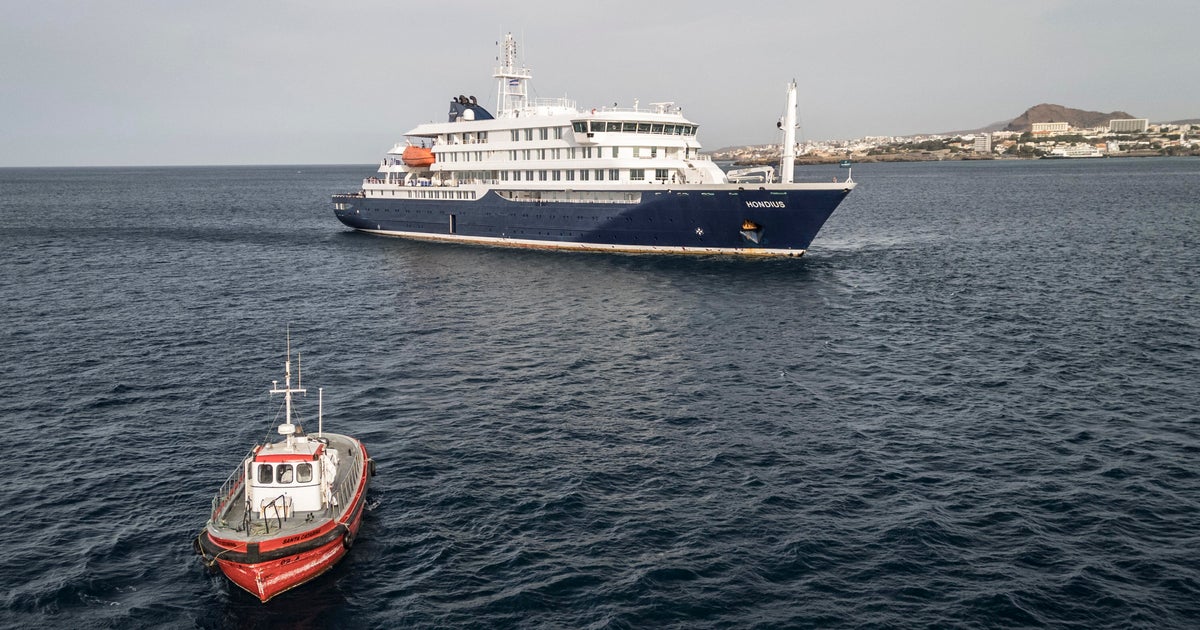
At least 12 countries, including the U.S., are monitoring passengers from the MV Hondius after a confirmed Andes strain hantavirus outbreak; three people have died and multiple others are being monitored or treated. Five U.S. states are tracking exposed passengers, though officials say none are currently symptomatic and public risk remains low. The ship is now off the Canary Islands after departing Cape Verde, and the incident is disrupting travel and public-health monitoring across several countries.
This is not a broad pandemic equity event; it is a narrow, high-friction operational shock that mainly hits travel trust, not demand fundamentals. The second-order risk is reputational: a single ship-level contagion story can temporarily widen the valuation gap between premium expedition/cruise operators and mass-market leisure names because the former rely more on perceived medical controllability and remote logistics. The fact pattern also raises the probability of stricter port clearance, pre-boarding screening, and charter insurance repricing for small-ship operators over the next few quarters.
The market should care less about direct transmission risk and more about the tail of “travel interruption plus policy overreaction.” If a few jurisdictions start requiring quarantine, denied docking, or forced medical diversions, the immediate costs land on operators through rerouting, medical evacuation, and passenger refunds, but the durable damage is to forward booking conversion. That tends to show up first in expedition cruise and premium adventure travel, then flows into adjacent categories like remote-group tours, specialty airlines, and marine charter services.
The contrarian read is that the selloff could be overdone if investors extrapolate to COVID-style demand destruction. Human-to-human spread is exactly what makes this incident newsworthy, but it remains a close-contact problem, not a community-transmission problem. Unless additional secondary cases emerge over the next 2-6 weeks, the event should fade into a one-off operational headline, which argues for buying dislocations in the highest-quality leisure names rather than fading the entire travel complex.
Healthcare/diagnostic beneficiaries are more limited than the headline suggests; this is a monitoring-and-testing story, not a durable treatment/reimbursement catalyst. The more durable winner is likely the biosurveillance and travel-screening ecosystem, especially vendors tied to port health, PCR logistics, and public-sector outbreak monitoring, as governments try to show they can intervene earlier in future incidents.
AI-powered research, real-time alerts, and portfolio analytics for institutional investors.
Request DemoOverall Sentiment
strongly negative
Sentiment Score
-0.55
