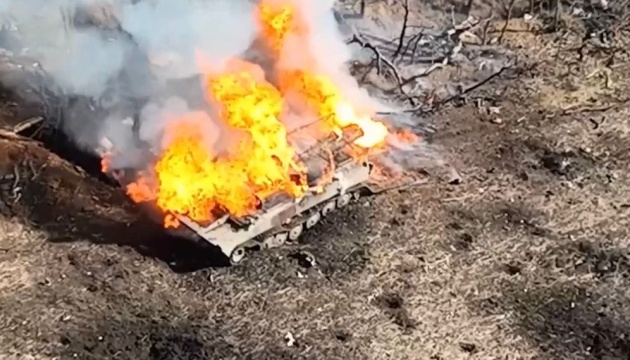
The Ukrainian General Staff reported that Russian forces suffered 1,040 personnel losses in the past day and provided updated cumulative equipment losses: 11,651 (+1) tanks, 24,010 (+1) armored fighting vehicles, 37,044 (+8) artillery systems, 1,637 multiple rocket launchers, 1,295 anti-aircraft systems, 4,269 (+24) cruise missiles, 435 warplanes, 347 helicopters, 127,549 (+468) tactical UAVs, 28 warships/cutters, 2 submarines, 77,439 (+60) vehicles and fuel trucks, and 4,069 (+5) special equipment. The report (via Ukrinform) notes 241 combat engagements on Feb. 7 and that enemy-loss figures are being updated. Persistent high attrition and active frontline engagement sustain elevated geopolitical risk, likely supporting defense-sector interest while maintaining risk-off pressure on broader markets.
Market structure: Persistent high attrition numbers imply sustained demand for munitions, air-defense and armored-repair, favoring large defense primes (LMT, NOC, RTX, GD) and specialty suppliers (Chart Industries, Spirit AeroSystems for repairs) over airlines and leisure. Energy producers (XOM, CVX) and commodity exporters (wheat/agro names) get near-term uplift from supply-risk; European carriers (IAG/OTCPK:ICAGY) and freight/shipping insurers face margin compression from fuel/insurance cost rises. Pricing power shifts to suppliers of precision munitions, explosives and sensors where capacity is tight; expect 2–6 quarters of above-trend order flows before procurement backlog normalizes.
Risk assessment: Tail risks include escalation to wider NATO involvement or major energy cutoffs that push Brent > $100/barrel and VIX > 30 in days — that would materially re-rate commodity and defense names while crushing European cyclicals. Hidden dependencies: munitions ramp needs specialty metals and microelectronics (supply constrained) and could be throttled by export controls or factory bottlenecks. Catalysts to watch in next 0–90 days: major offensives, EU gas flow disruptions, US congress appropriations votes for aid packages.
Trade implications: Favor concentrated but capital-efficient exposure: 2–3% portfolio long in LMT+NOC via 3-month call spreads 10–20% OTM to capture procurement momentum; 1–2% long GLD and 1–2% long XOM for commodity shock insurance. Short 1–2% positions in UAL/AAL via 3-month 15% OTM puts (fuel-cost shock hedge); enter if Brent > $85 or VIX > 22, trim on 20–30% realized gains.
Contrarian angles: Consensus underestimates supply-side caps in munitions manufacturing — immediate upside in defense equities may be constrained by production bottlenecks, creating a staggered rollout of gains. Historical parallels (post-2014 Ukraine) show multi-quarter defense outperformance followed by mean reversion once procurement budgets normalize; avoid full-price buys — prefer spreads and pairs and monitor Brent and US aid vote timing as re-pricing triggers.
AI-powered research, real-time alerts, and portfolio analytics for institutional investors.
Request DemoOverall Sentiment
moderately negative
Sentiment Score
-0.60
