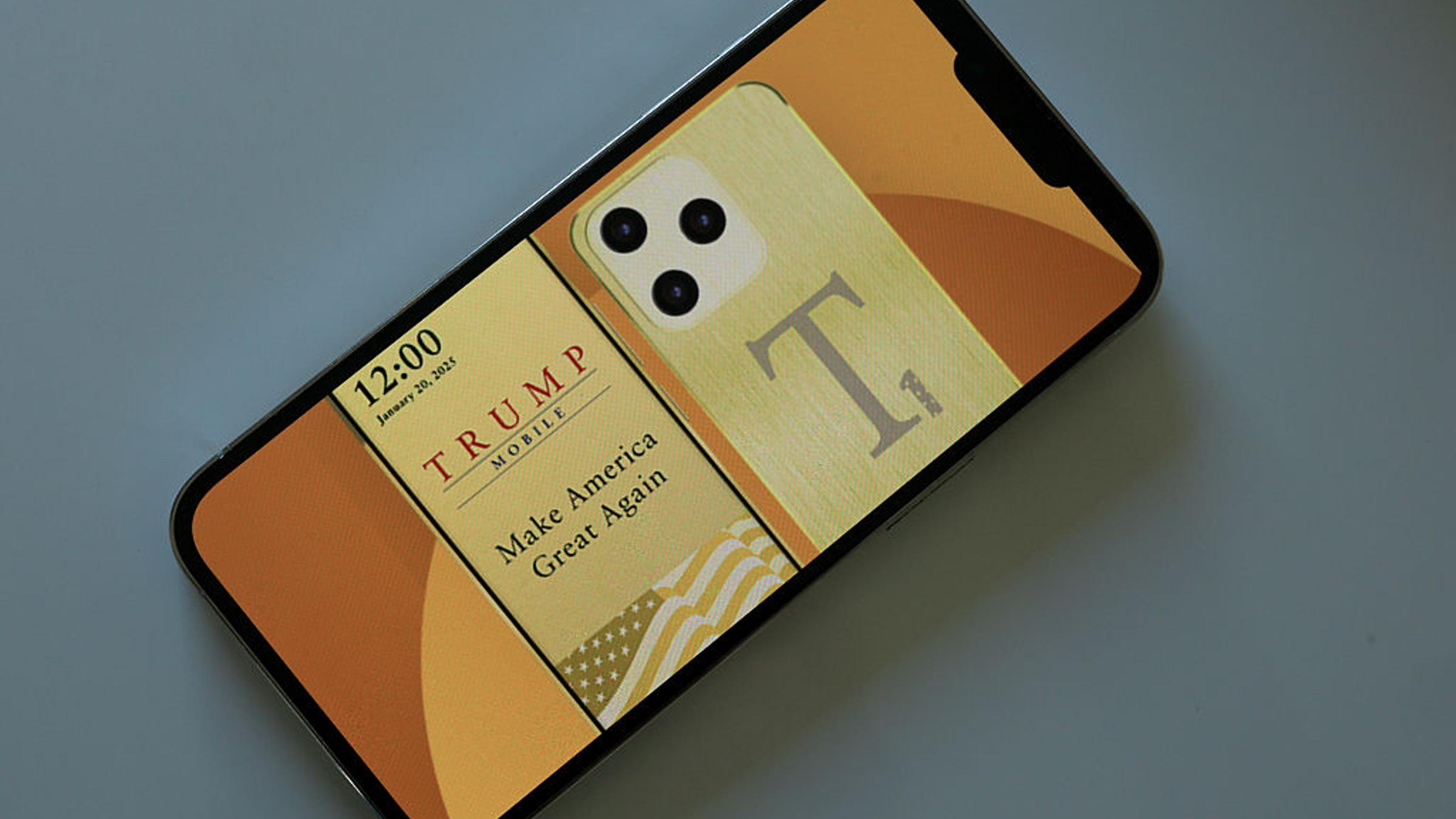
Trump Mobile’s T1 Phone, priced at $499 with an estimated 600,000 $100 deposits, still has no release date after repeated delays from summer 2025 to November, December, mid-March, and now none at all. The company also softened its "made in the USA" messaging and updated preorder terms to say deposits are conditional and do not guarantee production, delivery, or inventory. The article raises execution and credibility concerns, but the direct market impact appears limited.
The key market takeaway is not the product itself, but the evidence of weak execution in a politically branded consumer venture. That matters because these launches typically monetize attention first and operations second; when the operating layer is shaky, the expected lifetime value of the customer list collapses quickly, and the initial deposit book becomes a reputational liability rather than an asset. In practice, this raises the probability that the real economics migrate from hardware margins to refund processing, legal defense, and customer-acquisition arbitrage.
Competitive spillovers are more interesting than the venture’s own scale. A delay-heavy, credibility-damaged launch reinforces the advantage of established handset ecosystems, carrier MVNO platforms, and low-cost Asian ODM supply chains that can actually ship on time; if U.S.-manufacturing rhetoric stays in the headlines, it also keeps pressure on domestic assembly economics by highlighting how hard it is to build a sub-$500 phone domestically at scale. The second-order effect is that investors should expect more skepticism toward any political or celebrity-led consumer hardware launch, which lowers the valuation ceiling for similar “brand + preorder” stories.
The bearish catalyst set is asymmetric over the next 1-3 months: every additional missed date compounds consumer frustration and increases the odds of social-media-driven refund demand, regulator attention, or state AG scrutiny over preorder disclosures. The tail risk is not revenue shortfall; it is forced remediation and negative press broadening into the broader Trump-affiliated consumer brand complex. A reversal would require either a credible ship date with visible manufacturing proof or a clean pivot to software/services, but absent that, the burden of proof stays on management and sentiment likely decays by the week.
Consensus may be underestimating how little hard financial damage this may cause relative to the headline noise. If the business is mostly deposits and branding, the direct P&L impact could be modest while the reputational overhang is large, so the right trade is less about this one product and more about the probability distribution of future monetization attempts. That makes the event more useful as a signal of governance quality than as a standalone revenue thesis.
AI-powered research, real-time alerts, and portfolio analytics for institutional investors.
Request DemoOverall Sentiment
moderately negative
Sentiment Score
-0.45
