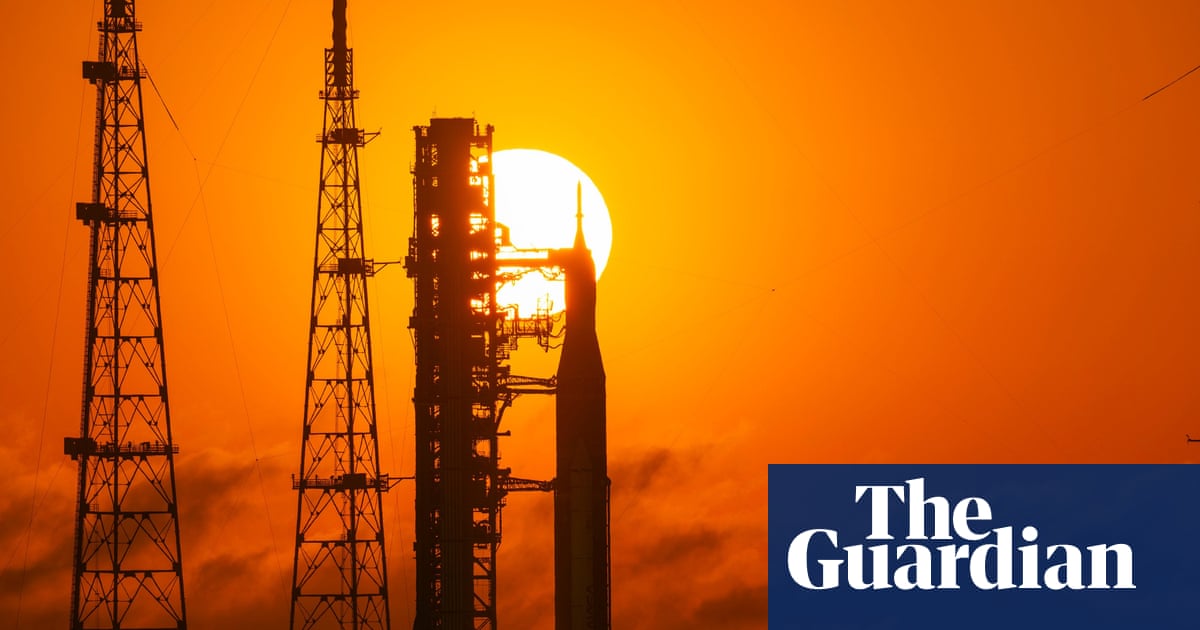
Artemis II is scheduled to launch from Cape Canaveral (first crewed lunar mission since 1972) at 6:24pm ET, marking a milestone for NASA and its commercial partners. Space Florida estimates a $6bn boost from space business last year, and analysts attribute ~13,000 new jobs and ~$3bn in annual spending to the Artemis program, while SpaceX and Blue Origin are building major facilities and heavy-lift rockets (Starship, New Glenn). Expect continued regional upside for aerospace contractors, local real estate and tourism (hotel pricing and visitor traffic spikes during launch windows), but limited immediate impact on broad markets.
This regional renaissance has fiscal multipliers that extend well beyond the headline aerospace contractors — think local housing, hotels, F&B, and construction supply chains where margins are thinner and capacity tight. Expect a two-speed recovery: large diversified defense primes will capture steady, politically insulated program spend (multi-year), while smaller suppliers and local services capture cyclical booms tied to individual launches and visitor flows (weeks–quarters).
Second-order supply effects are already emerging in skilled labor and advanced manufacturing capacity: composite structures, cryogenic test stands and avionics integration are constrained inputs with long lead times, which creates pricing power for specialized suppliers and a multi-year increase in capex for regional industrial real estate. Over time, commercial consolidation (SpaceX scale, Blue Origin uncertainty) creates winner-take-most dynamics where incumbent contractors face margin pressure unless they own unique IP or long-term contracts.
Key risks: fiscal and programmatic shocks (budget cuts, high-profile launch failures) can compress tourism and hiring in months and reset political support over 1–3 years; conversely, sustained cadence and private investment could lock in 5–10% annual regional GDP uplift. The momentum trade has asymmetric timing: near-term tourism/hotel upside around launches, but strategic allocation to suppliers and defense primes is a multi-year infrastructure/defense-policy call.
Contrarian note: the public enthusiasm understates concentration risk — private players (SpaceX) will likely siphon the bulk of repeat missions and economies of scale, so broad “space” baskets are overexposed. Better to separate short-term consumer/tourism plays from long-duration, contract-backed industrial exposure.
AI-powered research, real-time alerts, and portfolio analytics for institutional investors.
Request DemoOverall Sentiment
strongly positive
Sentiment Score
0.60
