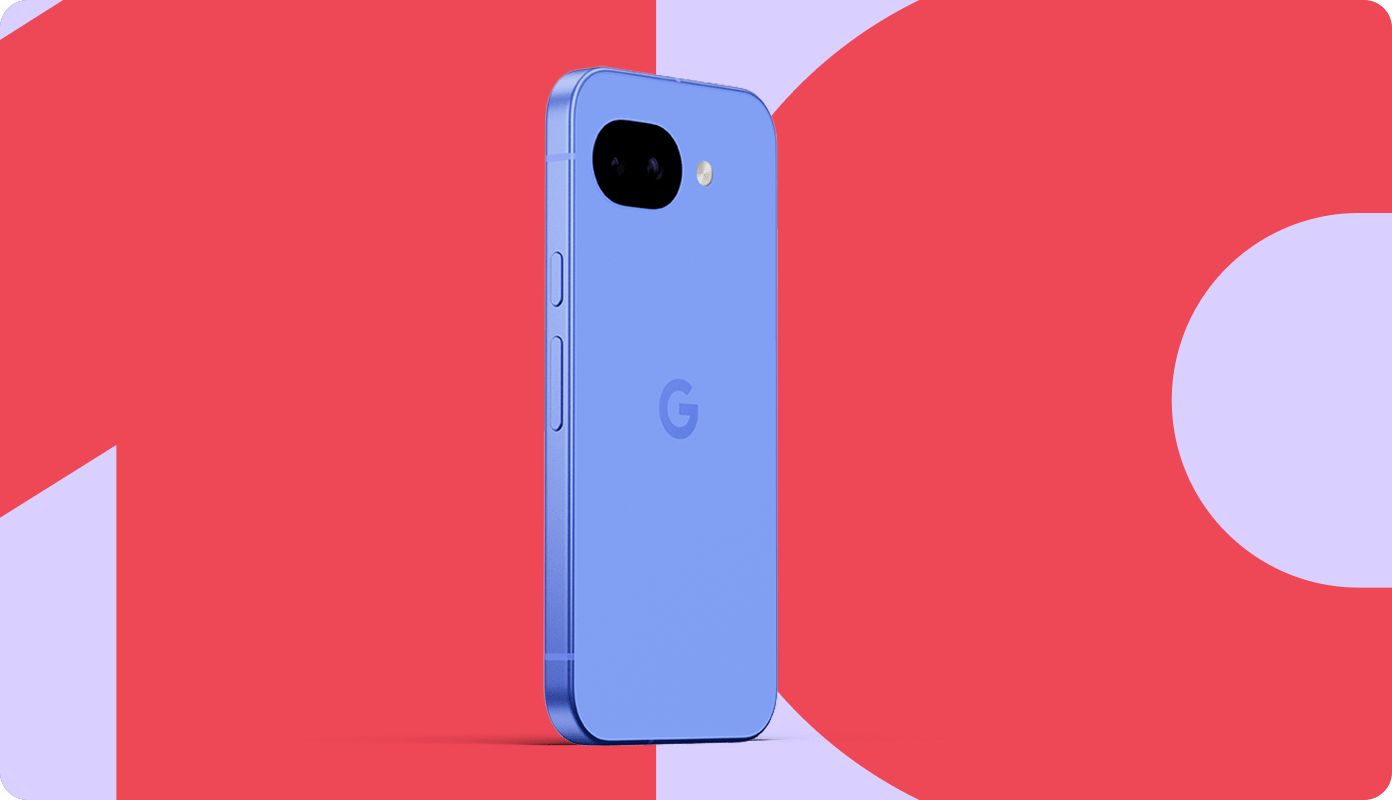
Google has officially teased the Pixel 10a with a February 18 launch and preorder start, revealing a design almost identical to the Pixel 9a and only minor refinements such as a flatter camera bump and software features reportedly including Gemini Live and Call Assist. The device appears to be an incremental, uninspiring update rather than a meaningful redesign, implying limited near-term upside to Pixel-line demand and little material impact on Alphabet’s revenue trajectory absent stronger hardware or pricing changes.
Market structure: The tepid Pixel 10a reveal (launch Feb 18) suggests minimal incremental demand for Google’s mid‑range hardware; winners stand to be Samsung A‑series and low‑cost Android OEMs (Xiaomi/OnePlus) that compete on specs/price, while Google hardware revenue and component suppliers (mid‑range SoC vendors) could see modest margin pressure over the next 2–3 quarters. Competitive dynamics favor incumbents with broader distribution and lower price points, implying Google’s pricing power in the sub‑$500 segment remains weak and market share shifts of ±1–3% are plausible regionally. Supply/demand: subdued early excitement raises risk of higher channel inventory and promotional discounts (10–20% off launch pricing) forcing thinner gross margins in H1; component orders may be flat-to-down vs. plan rather than up. Cross‑asset: expect localized equity volatility in GOOGL/GOOG (IV +10–25% near event), negligible sovereign bond or commodity impact, and marginal USD moves against currencies of major OEM manufacturing bases if selloff broadens.
Risk assessment: Tail risks include a product defect or high‑profile review flop that dents Google’s hardware credibility (5–10% downside to GOOGL intraday), regulatory scrutiny on bundled AI features (Gemini Live) that could trigger product feature rollback, and supply‑chain disruption from Taiwan/China events affecting fulfillment. Immediate (days) risk is a sentiment gap at preorder, short‑term (weeks/months) risk is sell‑through and promotions, long‑term (quarters) risk is halo effect on AI/service adoption and hardware OPEX. Hidden dependencies: Pixel acts as a halo for Gemini and Call Assist — weak device uptake could slow device‑driven usage metrics that justify ad/AI monetization assumptions. Catalysts: independent reviews (first week post‑launch), sell‑through data (30–60 days), Google earnings commentary (next quarter).
Trade implications: Direct: avoid large outright short GOOGL positions; prefer tactical bearish option structures sized 0.5–1.5% notional (45–60d put spreads) around Feb 18 to capture any knee‑jerk IV pop. Pair trades: implement relative trade long AAPL (0.5–1.5% position) vs short GOOGL (equal notional) for 1–3 month horizon to play premium ecosystem resilience; alternatively long Samsung ADR (SSNLF) vs short GOOG where available for mid‑range share shift. Sector rotation: modestly reduce exposure to mid‑cap Android OEM suppliers and reallocate 1–3% to AI/cloud beneficiaries (GOOGL long‑term accumulate on >5% pullback) with 6–12 month horizon.
Contrarian angles: Consensus negativity likely overstates pure hardware impact on Alphabet’s fundamentals — hardware is <5% of revenue, so a subpar Pixel 10a will not materially impair ad/cloud growth; an overreaction (GOOGL >5% drop) creates a buying opportunity for exposure to Gemini‑driven monetization. Historical parallels: Google’s Pixel missteps (prior models) produced short‑term drags but no sustained re‑rating; if early reviews confirm Gemini Live drives engagement, hardware weakness could be offset within 2–4 quarters. Unintended consequence: aggressive discounting to move inventory could temporarily boost Android activation metrics and third‑party ad impressions, paradoxically supporting ad revenue in the following quarter.
AI-powered research, real-time alerts, and portfolio analytics for institutional investors.
Request DemoOverall Sentiment
mildly negative
Sentiment Score
-0.30
Ticker Sentiment
