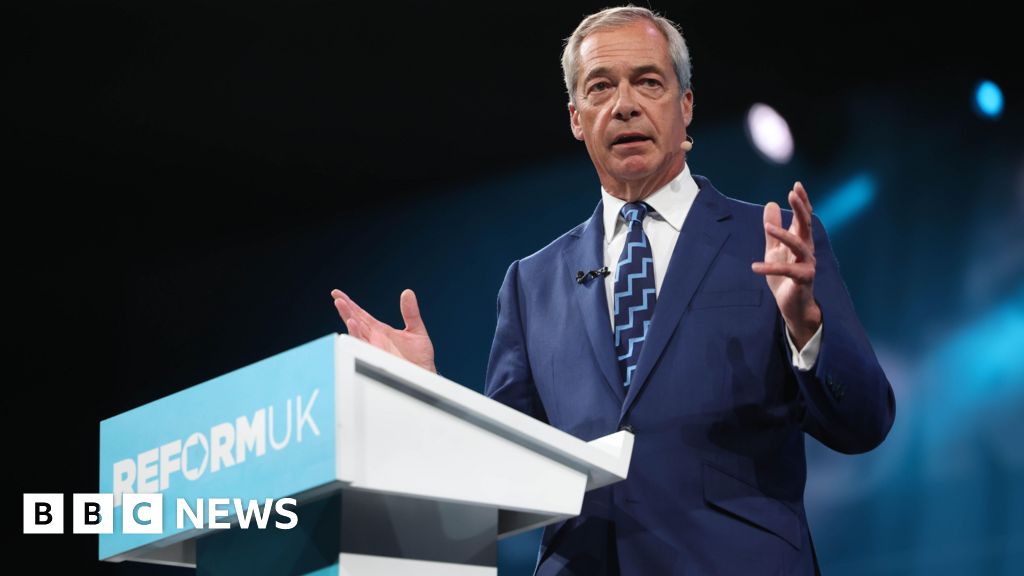
Reform UK says it now has more than 268,000 paid-up members and has therefore overtaken Labour after The Times reported Labour’s membership has fallen below 250,000; Reform’s figures are tracked via a live counter and Nigel Farage has framed the milestone as evidence of a changing political landscape. Labour declined to verify the claim, saying official numbers will be published in its annual report, and there is no external verification requirement for party membership totals. The shift, if confirmed, would mark a sustained decline in Labour’s grassroots since Keir Starmer took over (Labour reported 333,235 members at the end of last year, down from a Corbyn-era peak of over 530,000) and could bolster Reform’s standing given its strong polling, while other parties show mixed trends (Greens up to ~180,000, Conservatives ~123,000, Lib Dems ~60,000, new left Your Party ~55,000).
Reform UK states it has more than 268,000 paid-up members and The Times reports Labour membership has fallen below 250,000; Reform uses a live online counter counting annual fees of £25 (or £10 for under-25s) and Nigel Farage framed the milestone as evidence of a shifting political landscape. Labour declined to verify the Times figures, saying official numbers will appear in its annual report; there is no legal obligation for parties to publish or externally verify membership totals, which leaves headline figures open to contest.
Publicly available figures show Labour had 333,235 members at the end of last year (down from a Corbyn-era peak of over 530,000) and reportedly shed 37,000 members during 2024, while Reform has led national opinion polls since spring; the Green Party reports growth from ~70,000 to >180,000, Conservatives are reported around ~123,000, Lib Dems ~60,000, and new left Your Party ~55,000. These divergent membership trends indicate redistribution of grassroots engagement rather than a single-party collapse and could presage changes in campaigning dynamics ahead of elections.
Market signals attached to the story are neutral with a low market impact score (0.12), so the immediate pricing effect is likely limited. For investors, the key issue is whether membership momentum and poll leadership persist into formal election dynamics; verification of figures and sustained polling shifts are necessary inputs before treating this as a material political-risk catalyst for UK-focused assets.
AI-powered research, real-time alerts, and portfolio analytics for institutional investors.
Request DemoOverall Sentiment
neutral
Sentiment Score
0.00
