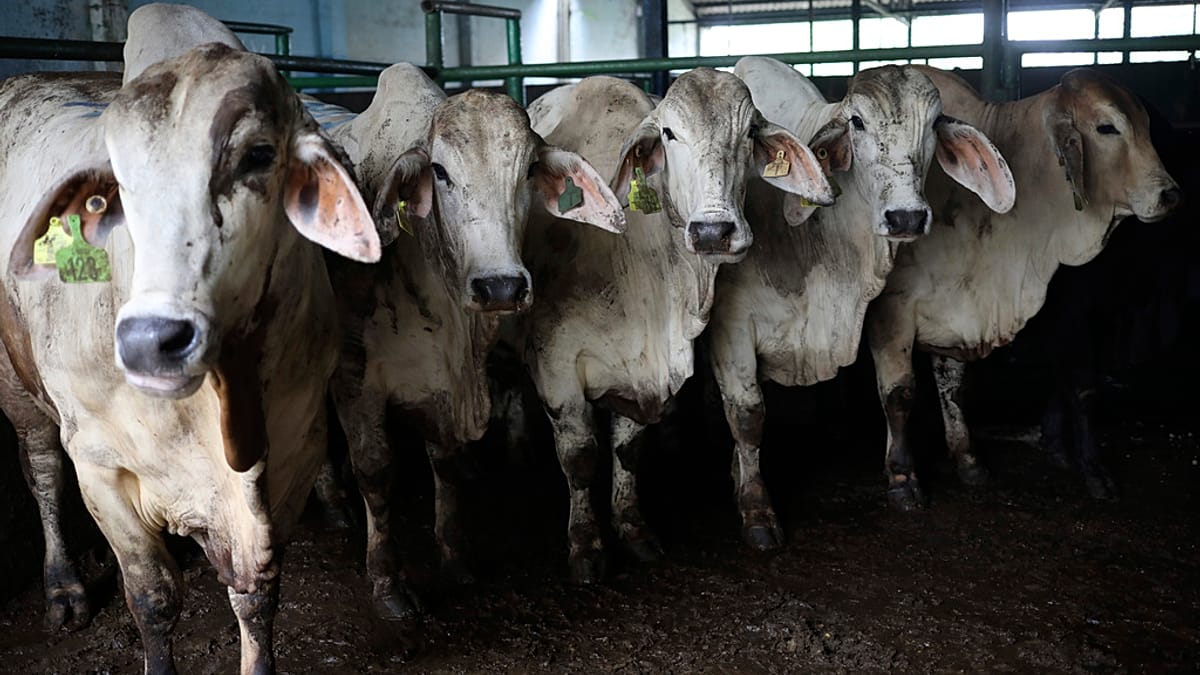
French authorities are racing to contain a rapidly spreading outbreak of lumpy skin disease — an insect-transmitted viral cattle disease that does not affect humans — with 109 outbreaks reported nationwide as of Dec. 9. The government has imposed strict controls including culling entire herds where infection is detected, movement bans and vaccination, prompting fierce backlash from several farming unions, protests and planned nationwide strikes, while FNSEA's president has publicly supported rapid containment to protect meat and dairy prices. Officials warn of severe economic damage — reduced milk production, export threats and a potential loss of up to 10% of French livestock according to Agriculture Minister Annie Genevard — and regions such as Occitanie have announced emergency aid (€300,000) as authorities cite illegal animal movements in spreading the virus.
French authorities reported 109 outbreaks of lumpy skin disease nationwide as of Dec. 9, an insect‑transmitted viral cattle disease that does not infect humans but causes skin lesions, reduced milk production and export risk. The government has adopted a strict containment package—mandatory culling of entire herds where a case is found, movement restrictions and vaccination—to arrest spread and protect trade; Agriculture Minister Annie Genevard warned the disease could kill up to 10% of French livestock if not eradicated.
The policy is provoking intense pushback: the Rural Coordination union calls the strategy disproportionate, the Farmers' Confederation has announced nationwide strikes starting Friday, and clashes culminated in police‑cleared protests before culling began on a 200‑cow Ariège herd; FNSEA's president Arnaud Rousseau has publicly backed rapid containment to protect meat and dairy prices. Regional authorities are offering limited financial relief (Occitanie announced a €300,000 emergency fund), while officials cite illegal animal movements as a vector for spread.
Near‑term implications include concentrated economic losses for affected farmers, potential supply disruption in meat and dairy that could pressure domestic and export flows, and elevated political and regulatory risk that may amplify price volatility; market signals show moderately negative sentiment but only a modest market impact score (0.35), underscoring uncertainty about the outbreak's ultimate scale and policy response.
AI-powered research, real-time alerts, and portfolio analytics for institutional investors.
Request DemoOverall Sentiment
moderately negative
Sentiment Score
-0.55
