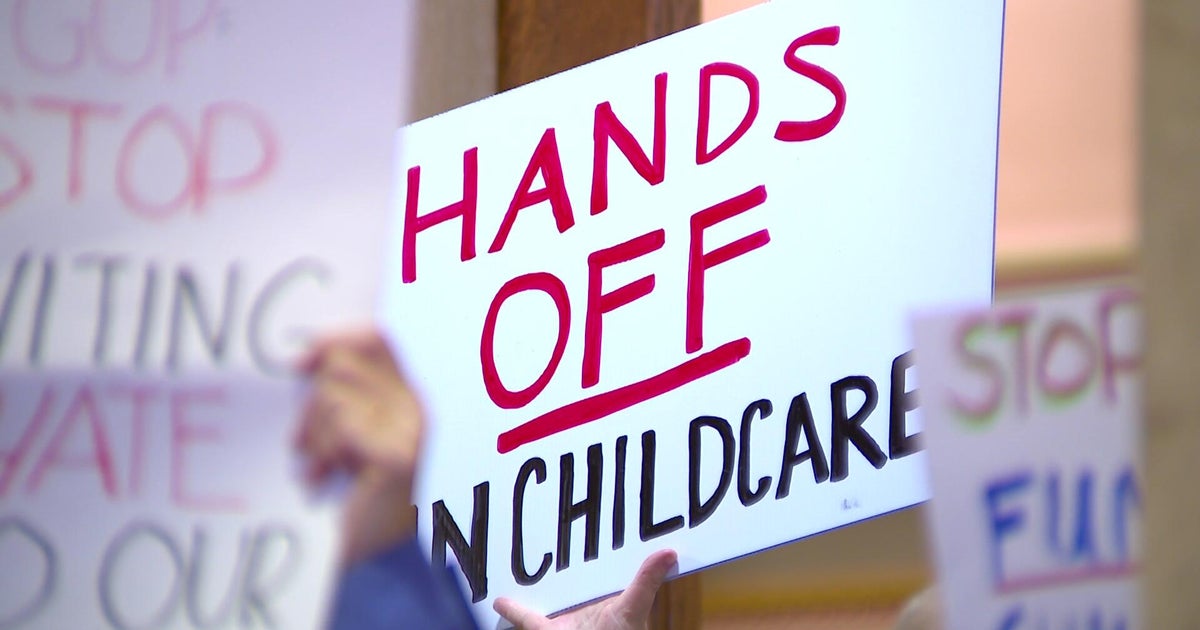
The Trump Administration has pledged to freeze $185 million in annual Child Care Assistance Program (CCAP) funding that subsidizes care for roughly 23,000 low-income children after a viral video alleged fraud at about ten Minneapolis day cares. Federal officials have demanded comprehensive audits and the Department of Homeland Security and state regulators have conducted visits, while Minnesota's attorney general calls the freeze potentially illegal; state regulators’ records and a CBS analysis found most locations licensed and recently inspected with no recorded evidence of fraud. Providers warn the blanket funding halt — funds are approved on a 21-day cycle — could force legitimate operations to close within weeks, creating immediate service and labor disruptions and likely prompting legal and political conflict at the state and federal level.
Market structure: The immediate winners are larger, compliant national operators and any employer-sponsored childcare programs that can absorb displaced demand; losers are small, independent licensed daycares in Minnesota that rely on the $185m CCAP pool (serving ~23k children). Expect localized supply contraction (Minnesota metro) that can push prices and hourly rates up by a modest amount — roughly 3–8% in affected zip codes over 6–12 months — and increase share-of-market for compliant, audited operators.
Risk assessment: Tail risks include a prolonged federal freeze (>2 consecutive 21‑day cycles) triggering insolvency for a material subset of providers, a state-federal legal injunction, or political escalation ahead of elections; these have low probability but high local-impact on employment and municipal services. Time horizons: immediate (days) for cashflow disruptions and regulatory headlines; short-term (weeks–months) for clinic closures and audits; long-term (12–24 months) for consolidation and margin normalization. Hidden dependency: many small centers likely derive >30% of revenue from CCAP, so audit/recoup actions can retroactively impair balance sheets.
Trade implications: Position for consolidation and defensive demand. Larger listed education/childcare operators (Bright Horizons, BFAM) should gain pricing power and enrollment share — a selective long is asymmetric if freeze is temporary. Use small, inexpensive option hedges on Medicaid/assistance‑dependent healthcare providers (tail risk), and prefer short-duration exposure to Minnesota-specific municipal credit if the freeze persists past 42 days.
Contrarian angle: Consensus overstates nationwide systemic risk; evidence shows most flagged centers had active licenses and recent inspections. If federal action is reversed or enjoined within two cycles, oversold small providers and local munis could snap back quickly; prepare to buy distressed private assets or muni credit at 100–300bp dislocations for 12–36 month gains as consolidation accelerates.
AI-powered research, real-time alerts, and portfolio analytics for institutional investors.
Request DemoOverall Sentiment
moderately negative
Sentiment Score
-0.60
