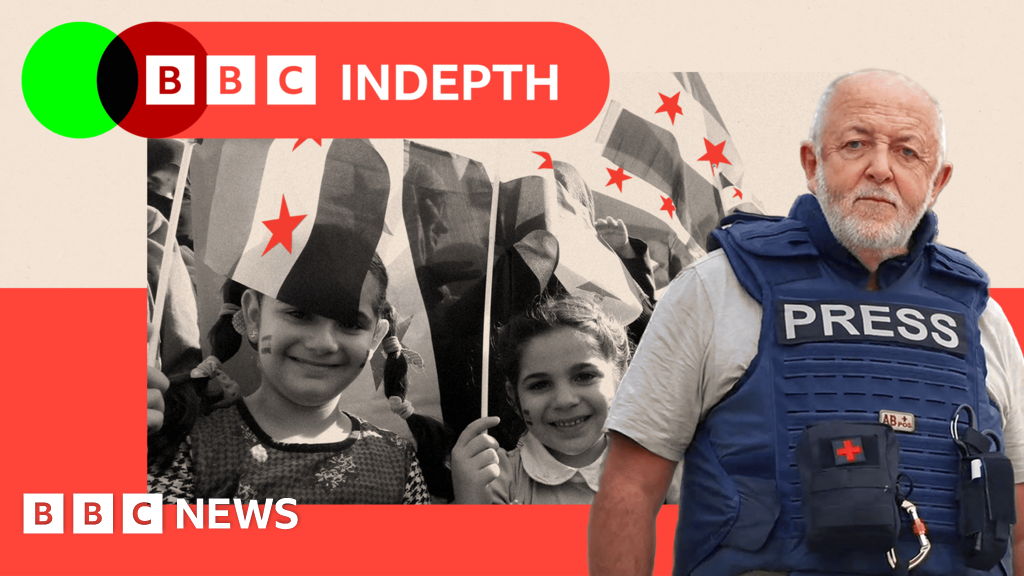
A year after Bashar al-Assad fled to Russia, Hayat Tahrir al-Sham leader Ahmed al-Sharaa has assumed interim presidential control of Damascus, secured high-level backing from Saudi Arabia and the US (including a White House visit and the removal of a $10m bounty), and seen a partial rollback of sanctions including suspension of the Caesar Act. Despite early signs of commercial engagement—privatisation plans for Damascus and Aleppo airports and oil and gas modernization—security risks persist: IS sleeper cells remain active, sectarian massacres and UN concerns over accountability have occurred, and intensified Israeli strikes and incursions near the Golan sustain high political risk. For investors, potential openings from sanctions relief and energy/infrastructure deals are counterbalanced by weak institutions, unresolved territorial control (Kurds, Druze, Alawite areas), ongoing human-rights investigations, and elevated operational and reputational risk.
Market-structure: The collapse of Assad and US/Saudi engagement with Sharaa shifts regional winners toward Western defence contractors, adjacent energy firms and select EM risk assets if sanctions continue to ease. Direct Syrian hydrocarbon production is immaterial to global balances (<0.2% of global oil), but reconstruction & privatization pipelines (airports, gas fields) create multi-year procurement demand — winners are large engineers and energy-services firms with political backstops; losers are sovereign-credit sensitive EMs and small regional banks exposed to sudden refugee/resettlement flows.
Risk assessment: Tail risks are asymmetric: a major Israel–Syria escalation or sectarian massacres could spike Brent +$5–$10/bbl and lift defence stocks +10–20% in days, while a rapid normalization (Caesar Act repeal within 0–90 days) would re-rate EM risk and selected European energy names. Hidden dependencies include US congressional politics (vote thresholds), Russian military posture in Syria, and banking flows for reconstruction; catalysts to watch: weekly IDF strike counts, December–Jan US Congress calendar, and OPEC output changes.
Trade implications: Near-term (0–3 months) tradeable exposures favor tactical long defense (LMT, RTX) and a small directional Brent volatility play; hedge portfolios with short-dated EM put protection. Longer-term (6–24 months) opportunities concentrate in energy-services and infrastructure (ENI, SLB) if sanctions formal repeal occurs — but entry should be staged and contingent on sanction milestones.
Contrarian angle: Consensus praises stabilization — the market underprices low-probability sectarian relapse and Israel setbacks that can de-risk or re-risk entire region; reconstruction promises are oversold relative to legal/sanctions timelines. That implies buying asymmetric downside protection now rather than chasing reconstruction longs before congressional/legal clarity.
AI-powered research, real-time alerts, and portfolio analytics for institutional investors.
Request DemoOverall Sentiment
mildly negative
Sentiment Score
-0.25
Ticker Sentiment
