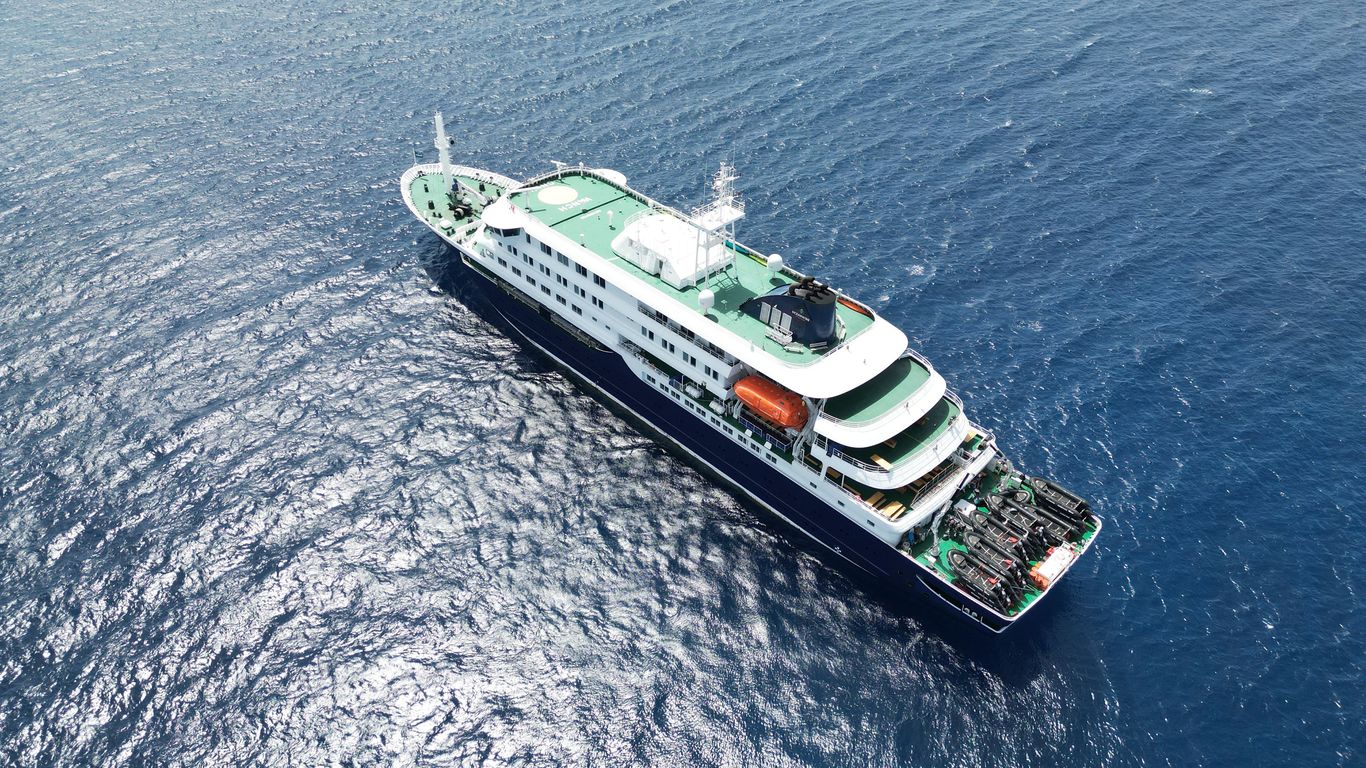
A hantavirus outbreak on a cruise ship has resulted in 3 deaths and at least 8 suspected or confirmed cases, with passengers isolated and authorities tracing contacts across multiple countries. WHO says the risk of a COVID-like global spread is low, but warns additional cases are possible given the virus’s weeks-long incubation period and fatality rate of up to 50% in the Americas. The event is most relevant to travel, cruise operators, and public health monitoring, though it is unlikely to trigger broad market moves.
This is a low-probability, high-attention event that is more likely to hit sentiment than earnings, but the second-order effects are asymmetric for travel operators with higher exposure to quarantine headlines and operational disruption. The immediate market read-through is negative for cruise, airline, and port-adjacent logistics names if testing/monitoring expands over the next 1-3 weeks, because even a contained outbreak raises booking hesitation for a product category that sells on perceived safety and relaxation.
The bigger issue is not direct medical risk; it is regulatory friction. If governments start coordinating contact tracing across jurisdictions, the operational cost of moving passengers and crew rises quickly, and that can create short-duration capacity inefficiency across the broader travel network, especially for premium leisure itineraries and transatlantic repositioning schedules. Expect the first-order selloff in travel to be more than fundamentals justify, but the underappreciated risk is a cluster of cancellations around future sailings if media coverage keeps the story alive through the next booking window.
A contrarian angle is that containment efforts themselves can become a positive catalyst for public-health and diagnostics names, while making the event less market-relevant within days rather than months if no additional cases emerge outside the ship. The most likely reversal is a clean 2-3 week absence of secondary transmission outside close contacts; if that happens, the trade fades fast and travel names recover on relief plus mean reversion. The tail risk is a fresh case tied to a returning passenger or flight crew member, which would extend the headline cycle and force risk-off positioning in leisure and transport stocks.
AI-powered research, real-time alerts, and portfolio analytics for institutional investors.
Request DemoOverall Sentiment
moderately negative
Sentiment Score
-0.20
