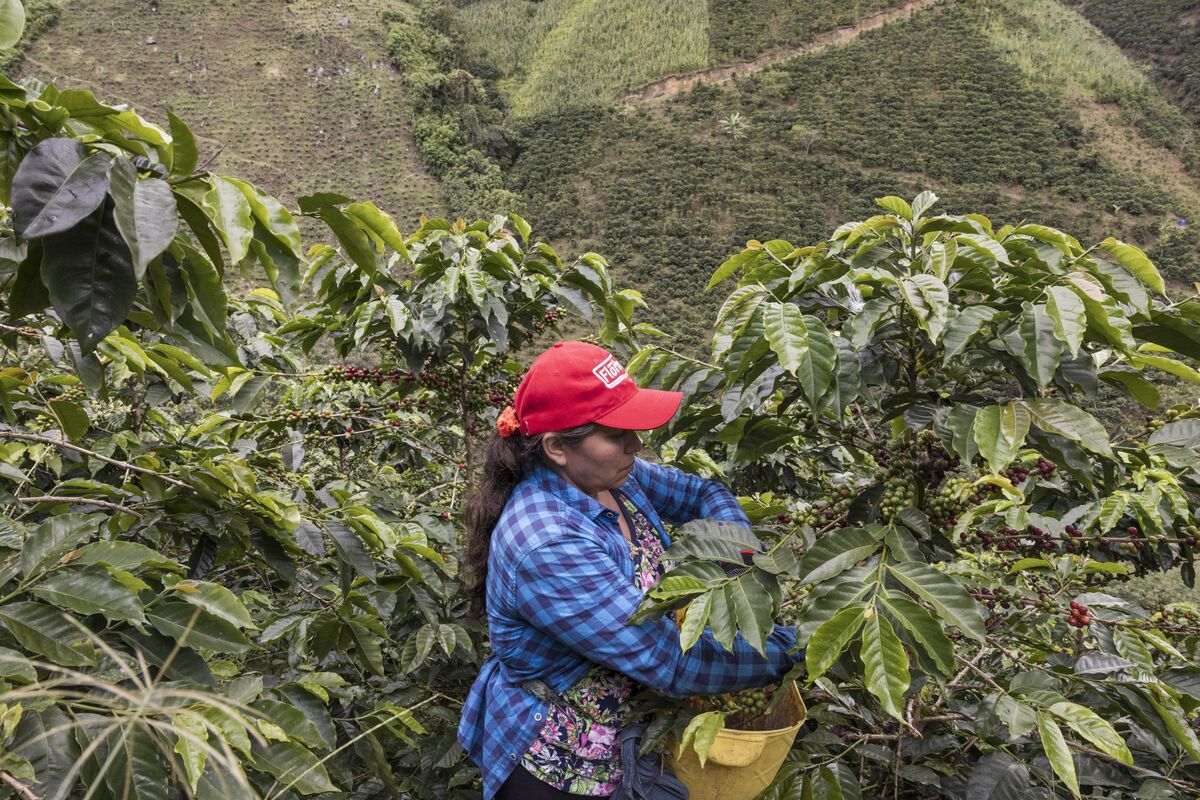
Female coffee producers in Colombia's Huila region are steadily increasing their presence—running farms, forming cooperatives and launching boutique brands—benefiting from strong coffee prices but still constrained by systemic gender barriers. Limited access to credit and other financing obstacles are preventing many women from scaling operations and fully capturing premium market opportunities, a dynamic that could influence specialty-supply growth and investor interest in gender-inclusive agricultural finance or value-added coffee ventures.
Market structure: Female-led farms and cooperatives are emerging as winners — they capture premium specialty prices and brand value (potential +10–30% price spreads vs commodity grades) while large commodity exporters and low-end processors face margin pressure. Quality-driven vertical integration (processing, direct-to-consumer brands) increases pricing power for smallholders over 1–3 years and can shift a greater share of retail margins upstream.
Risk assessment: Key tail risks are climate shocks (El Niño/La Niña can swing yields ±20–40% in 1 season), abrupt FX volatility in COP (a >5% move in 30 days), and regulatory/land-rights interventions that could reallocate assets or access to credit. Near-term (days–weeks) volatility stems from weather reports and coffee futures moves; medium-term (3–12 months) depends on export financing and certification uptake; long-term (2–5 years) rests on structural finance inclusion and mechanization.
Trade implications: Tactical exposure to coffee commodity upside (ICE KC / JO ETN) and long exposure to premium roasters/retailers (SBUX) benefits from higher specialty prices; hedge with short exposure to mass-market instant/industrial processors (KDP) or short coffee producer margins via volatility. Use 3–6 month call spreads on KC futures or JO to cap cost and buy 12–24 month equity exposure to specialty roasters; reduce broad LATAM commodity shorts until COP reaction confirms exports flow.
Contrarian angles: The market underprices impact investing channels — microfinance and blended-credit funds that finance women growers can compound returns through quality upgrades and higher export pricing; this is analogous to early Fair Trade premiums which persisted after initial adoption. Risks: social backlash or rising default rates if credit products are poorly structured; mispriced liquidity in Colombia local debt can flip quickly, so size positions conservatively.
AI-powered research, real-time alerts, and portfolio analytics for institutional investors.
Request DemoOverall Sentiment
mixed
Sentiment Score
0.00
