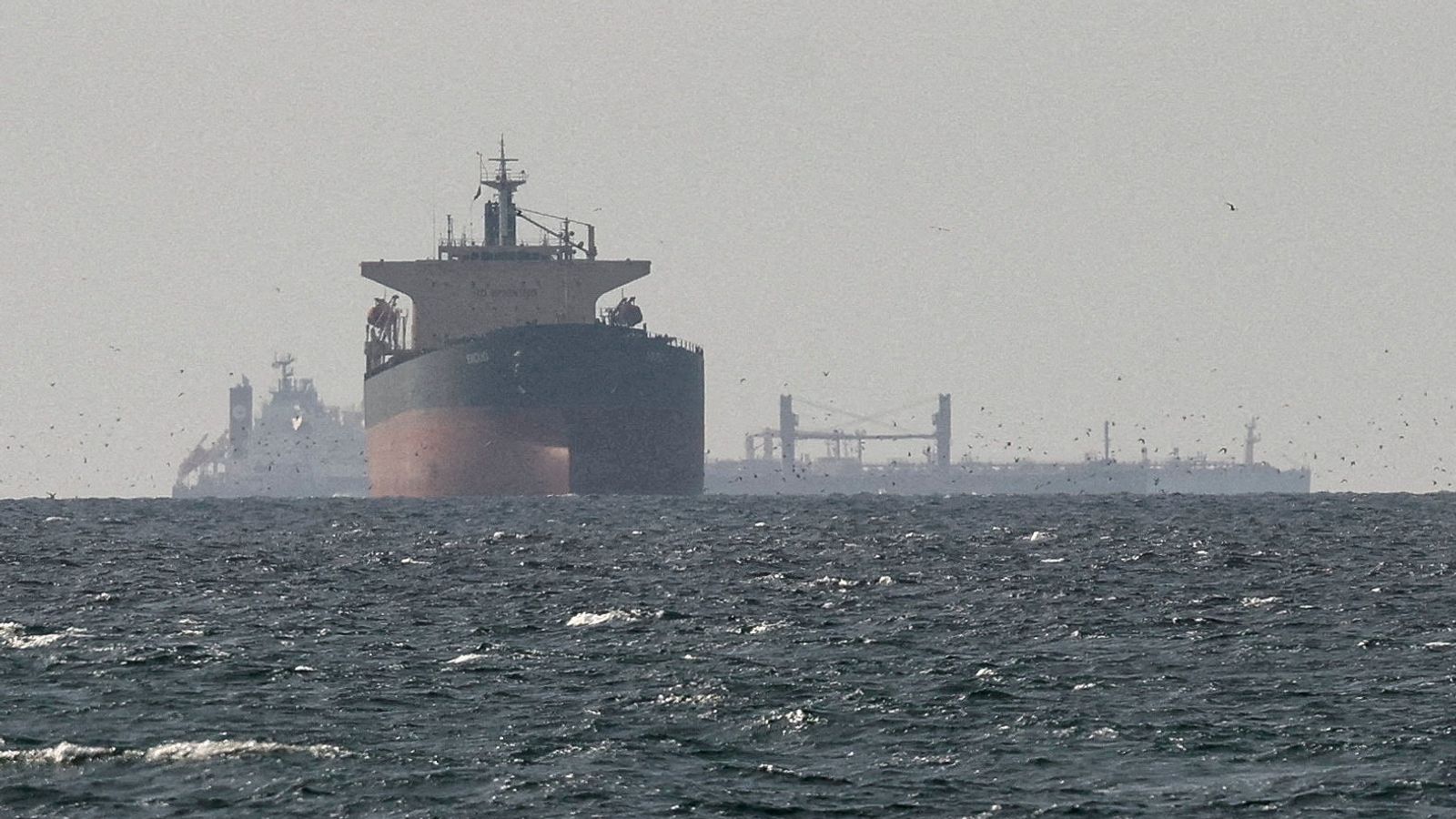
About 20 million barrels/day normally transit the Strait of Hormuz, but daily tanker traffic is reported down roughly 95% since late February amid US‑Israeli strikes on Iran and Iranian threats, sharply constraining global flows. The disruption is producing localized shortages and emergency measures: Ryanair flags jet‑fuel risk in May–June, Italy has temporary airport fuel restrictions, ~18% of French petrol stations lacked some fuel, the UK has isolated pump outages, Peru, Cuba and the Philippines have declared emergencies or measures, Australia reported 410 stations out of diesel and 193 out of petrol, and several emerging markets face shutdowns and rationing. These developments create downside risk to transport and energy‑dependent sectors and raise the potential for broader oil price volatility and supply‑driven inflationary pressure.
The immediate shock is not just higher hydrocarbon prices but a bifurcation of margins across the logistics and energy chain: players owning physical refining and storage capacity get asymmetrical optionality (can arbitrage regional crude/produkt dislocations), while asset-light transport and travel businesses bear direct, highly variable cash-cost shocks. Expect crack spreads to reprice regionally within 2–12 weeks as cargoes are rerouted, with short-haul aviation unit costs rising faster than long-haul because refuelling flexibility is lower at regional airports.
Second-order demand effects will show up unevenly — discretionary travel and export manufacturing in cash-constrained EMs will contract first, shaving durable goods and container volumes over 1–3 quarters and creating a counterintuitive boom in inland fuel distribution and storage demand. Insurance, financing and working-capital stresses for smaller tanker owners and charterers will increase financing spreads; that will amplify freight-rate spikes even if crude volumes normalize.
Key catalysts that could reverse these moves are rapid diplomatic de-escalation or coordinated SPR releases; both can lower the transitory premium within 7–30 days. Conversely, an escalation that prompts formal rerouting (Cape of Good Hope) would lock in higher logistics costs for months, forcing airlines to either shrink capacity or transfer >$5–12 of ticketed cost per passenger on typical short-haul European routes, compressing load factors and ancillary take-rates.
Volatility is the dominant risk: insurance-premium repricing or port closures can create step-function margin moves, so trades should be structured with option overlays or explicit stop schedules rather than naked directional exposure.
AI-powered research, real-time alerts, and portfolio analytics for institutional investors.
Request DemoOverall Sentiment
strongly negative
Sentiment Score
-0.60
Ticker Sentiment
