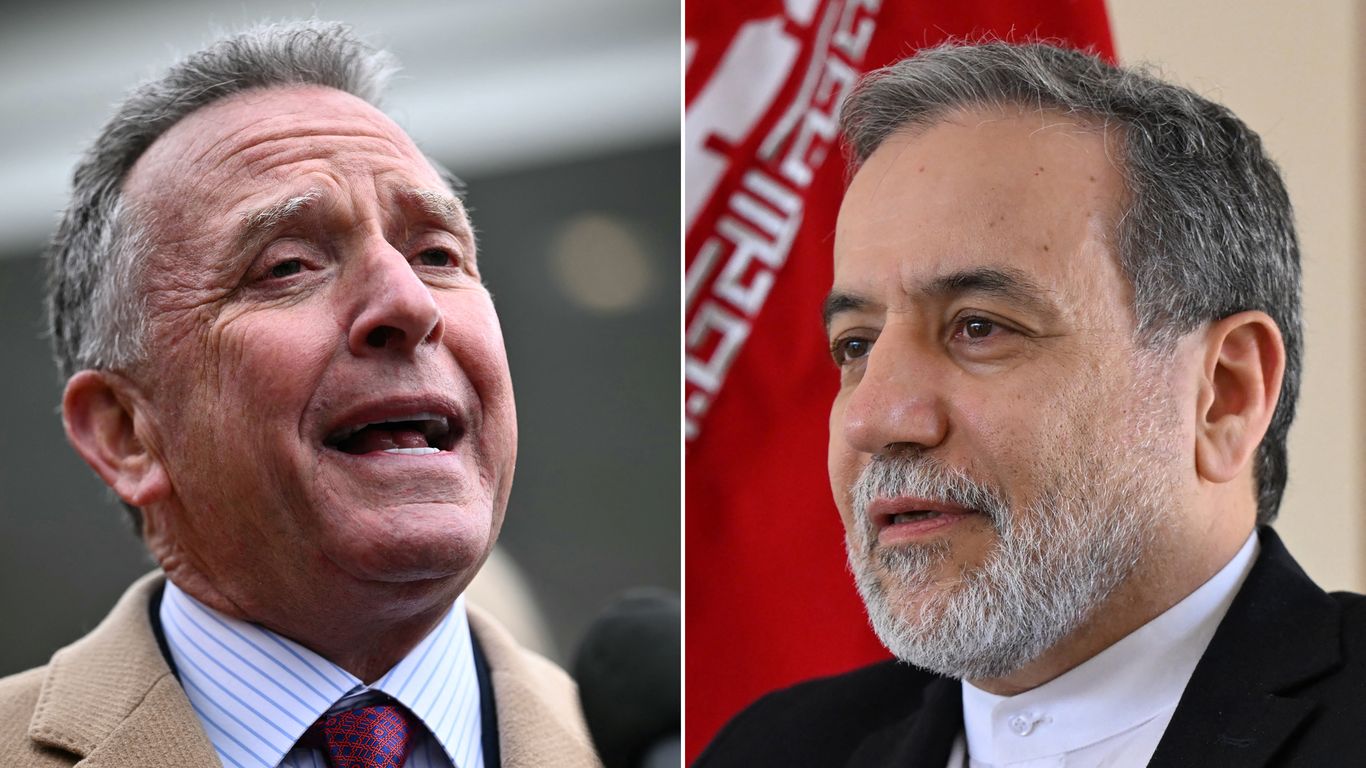
A potential 45-day ceasefire is being negotiated through Pakistani, Egyptian and Turkish mediators with Iran, but sources say chances of a partial deal in the next 48 hours are slim; President Trump extended a deadline by 20 hours to Tuesday 8pm ET. U.S. and Israeli operational plans for massive strikes on Iran's energy infrastructure are reportedly ready, and Trump has threatened destruction of Iranian civilian infrastructure if no deal is reached. Mediators are seeking limited, phased confidence-building steps on reopening the Strait of Hormuz and Iran's highly enriched uranium, but Iran resists concessions; mediators warn Iranian retaliation could target Gulf oil and water facilities, posing meaningful upside risk to oil prices and broad market disruption.
Market transmission will be dominated by immediate energy and shipping friction. A localized disruption in Gulf-related flows typically translates into a $4–$12/bbl shock to Brent within weeks if sustained, and a transient spike in tanker day-rates and war-risk premia that compounds costs for refiners and trade-heavy commodity merchants. These cost shocks cascade into refining margins (favoring integrated producers with downstream flex) and raise working capital needs for commodity consumers — pressure that will show up in 10–90 day receivables and inventory financing lines.
Collateral damage is concentrated in insurance/reinsurance, specialized services, and spare-parts supply chains. Reinsurance pricing re-sets after any credible infrastructure strike; market players with >5% P&L exposure to Gulf production (insurers, trade-credit insurers) can see loss ratios jump materially and capital relief trades unwind, creating acute spread widening in corporate credit for exposed utilities and contractors. Conversely, prime defense and strategic logistics vendors stand to convert headline risk into multi-year order-book visibility, which can justify a 10–25% re-rating if strikes are confirmed and procurement cycles accelerate.
Time horizons and reversibility diverge: price and volatility moves will occur in days, operational outages can persist months, and onshore capex/reshoring responses play out over years. The main de-escalation trigger is a verifiable, irreversible mechanism that materially reduces the probability of repeat strikes; absent that, markets will repriced a higher baseline of geopolitical premia for 6–18 months. Investors should price liquidity and optionality into positions — entry and exit will be driven less by fundamentals and more by discrete diplomatic verification events and strike confirmations.
AI-powered research, real-time alerts, and portfolio analytics for institutional investors.
Request DemoOverall Sentiment
strongly negative
Sentiment Score
-0.80
