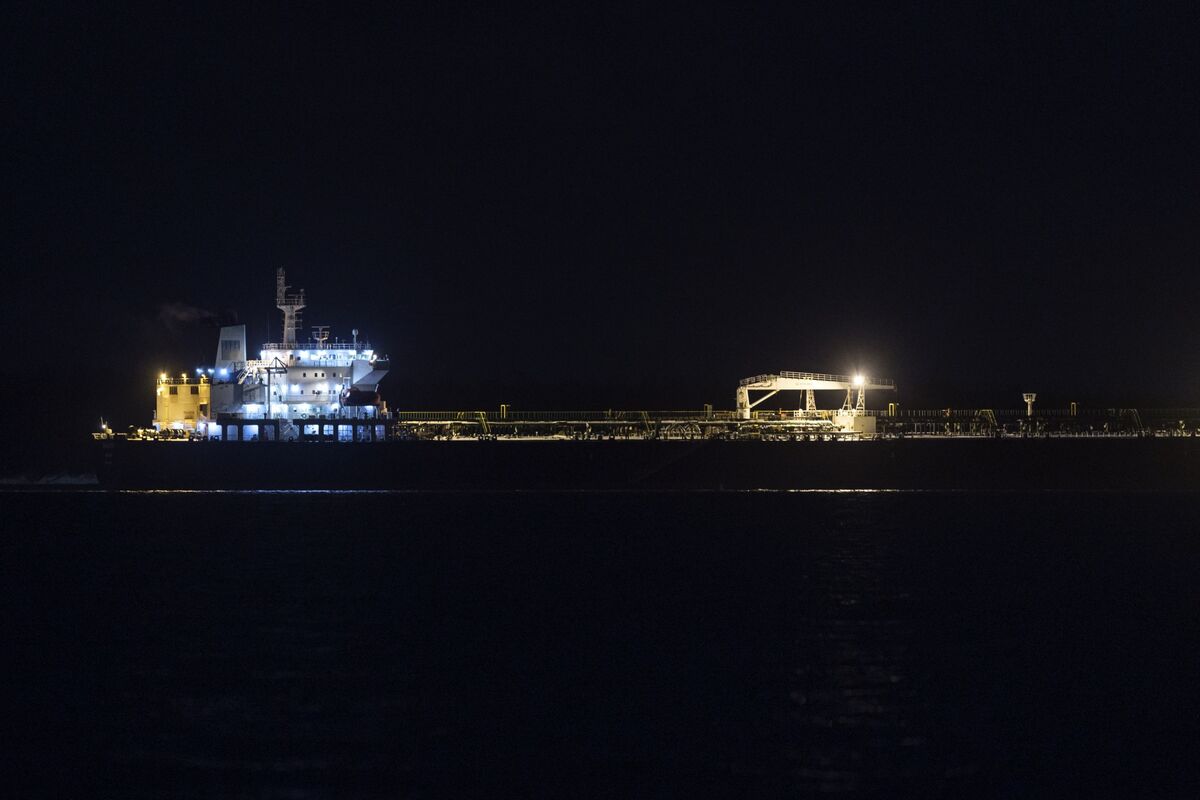
Russian seaborne crude shipments recently declined from a two-and-a-half-year high, with four-week average volumes falling by 70,000 barrels a day to 3.72 million barrels a day by October 26. This reduction is primarily attributed to high winds at a key Baltic port, rather than the impact of recent US sanctions, suggesting that the underlying export capacity remains largely unaffected by geopolitical pressures for now.
Russian seaborne crude shipments experienced a recent decline from their two-and-a-half-year peak, with four-week average volumes dropping by approximately 70,000 barrels a day to 3.72 million barrels a day by October 26. This reduction was primarily observed in Baltic shipments and is explicitly linked to high winds at a key port, which likely hampered loading operations last week.
The article emphasizes that this decrease is attributable to weather-related disruptions rather than the impact of recent US sanctions. This distinction is critical, as it suggests that Russia's underlying crude export capacity and its ability to circumvent geopolitical restrictions remain largely intact.
Therefore, the observed dip in volumes appears to be a temporary, operational fluctuation rather than a fundamental shift in supply dynamics driven by sanctions. The market impact is consequently assessed as low, indicating that this event does not signal a significant change in the broader energy market outlook concerning Russian crude.
AI-powered research, real-time alerts, and portfolio analytics for institutional investors.
Request DemoOverall Sentiment
neutral
Sentiment Score
0.00
