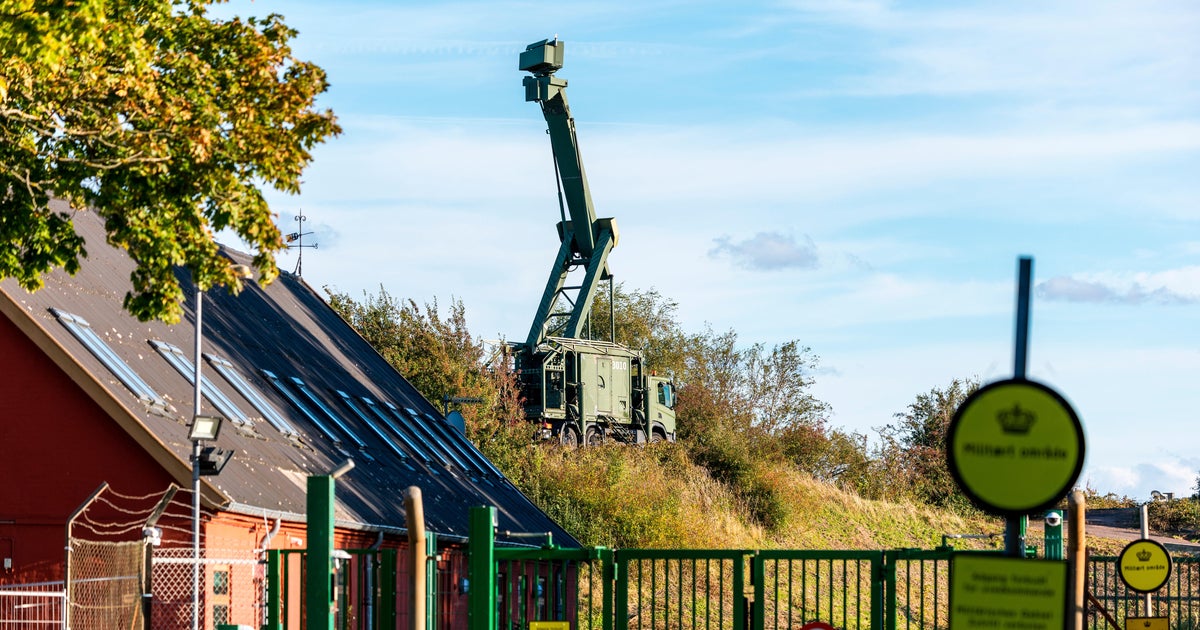
Denmark has reported renewed drone sightings at military installations, prompting a temporary ban on civilian flights and bolstered security measures, including German and Swedish anti-drone support, ahead of an EU summit. These incidents, deemed a potential 'hybrid attack' amid heightened Russian aggression concerns, have prompted NATO to increase vigilance in the Baltic Sea, signaling escalating geopolitical risks and potential for regional instability, despite Russian denials and warnings from Moscow and Minsk against intervention.
Heightened geopolitical tension in the Baltic Sea region is manifesting through repeated, unexplained drone incursions over Danish military and civilian infrastructure, prompting a significant security response. Denmark has implemented a temporary nationwide ban on civilian drone flights and deployed military assets ahead of an upcoming EU summit in Copenhagen. The situation has escalated to a multinational level, with NATO initiating an "enhanced vigilance" operation named Baltic Sentry and allies providing direct military support; Germany is supplying a frigate and advanced Counter-small Unmanned Aircraft Systems (C-sUAS), while Sweden is also lending anti-drone capabilities. Although Danish authorities have described the events as a potential "hybrid attack," no definitive blame has been assigned. This ambiguity, coupled with Russian denials and explicit warnings from both Moscow and Minsk against any interception of their aircraft, creates a volatile and uncertain environment. The events underscore the growing use of unattributed assets in 'gray-zone' conflict to test defenses and sow public uncertainty, representing a material increase in regional risk that could lead to miscalculation or escalation.
AI-powered research, real-time alerts, and portfolio analytics for institutional investors.
Overall Sentiment
strongly negative
Sentiment Score
-0.60
