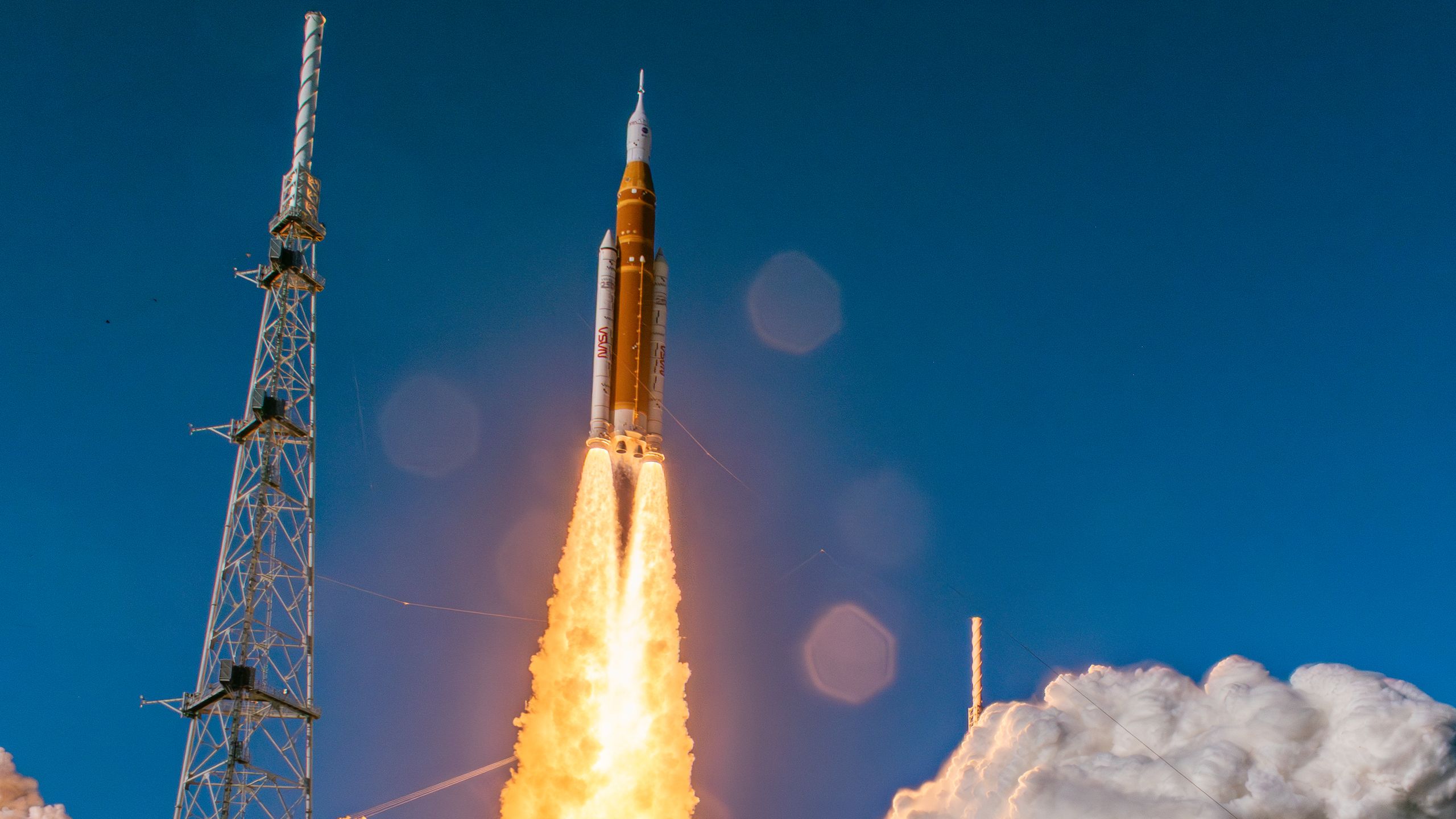
Artemis 2 drew about 346,000 U.S. visitors to Florida's Space Coast during March 29-April 4, far above the 226,000 visitors associated with Artemis 1 in 2022. The launch-week influx generated an estimated $41 million in visitor spending, with the average out-of-county visitor staying two days and spending $462. The article highlights a meaningful but localized tourism boost rather than a broad market-moving event.
This is a clean, short-duration demand shock, but the more interesting point is that it validates destination-style tourism elasticity around marquee events, not just the event itself. The spend is concentrated in lodging, food, rentals, and last-mile transport, which means local operators with fixed assets and near-full occupancy can see disproportionate margin expansion versus the raw visitor count suggests. The second-order winner is anyone with limited-capacity inventory close to the launch corridor; the loser is inland substitute demand that gets displaced by congestion rather than created.
The setup is more useful as a signal than as a standalone profit pool. If this kind of event can reliably pull incremental visitors over a multi-day window, local municipalities and infrastructure-adjacent contractors gain leverage for repeated capex cycles around traffic management, transit, and safety systems. That creates a medium-term tailwind for civil engineering, tolling, parking, and geospatial/communications vendors even if the immediate tourism spike fades in days.
The key risk is base-rate overextrapolation: this is not recurring consumer demand, it is a one-off catalyst with high headline value and limited frequency. If launch cadence slips, weather intervenes, or mission risk perception rises, the tourism premium disappears quickly. The contrarian view is that the market may underweight how much of the spending leaks to non-local, low-margin intermediaries rather than sticking to pure local hospitality P&L.
What looks most mispriced is the optionality around future launch clusters rather than this single event. Any sustained increase in crewed or high-visibility launches should support a multi-year step-up in regional room rates and occupancy, but only if supply does not expand too fast. If hotel supply or short-term rentals react aggressively, pricing power could normalize within 1-2 seasons, capping upside for traditional lodging owners.
AI-powered research, real-time alerts, and portfolio analytics for institutional investors.
Request DemoOverall Sentiment
mildly positive
Sentiment Score
0.35
