
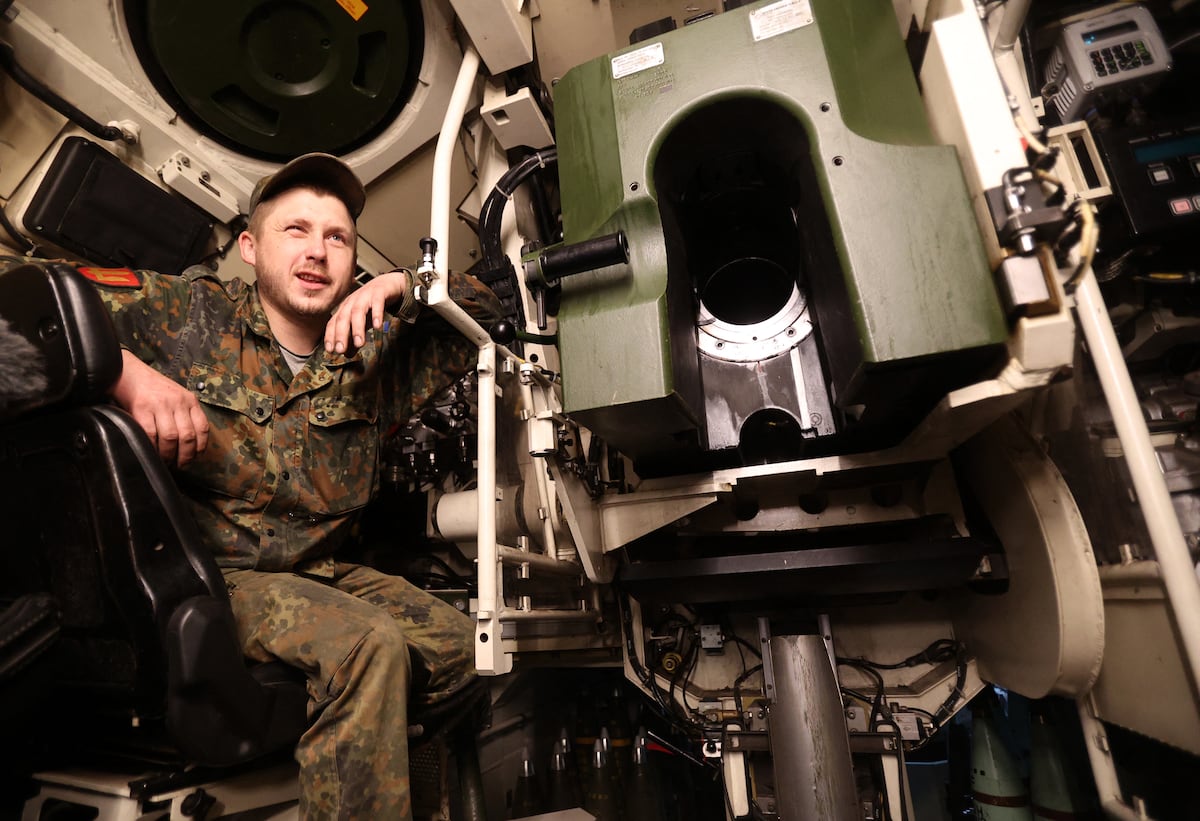
Germany and Ukraine signed a €4 billion defense package that formalizes battlefield-data sharing on systems including the PzH 2000, RCH 155, and IRIS-T, while Germany funds several hundred Patriot PAC-2 interceptors and 36 additional IRIS-T launchers. The deal also includes €300 million for long-range strike capabilities and joint production of 5,000 AI-enabled mid-range strike drones. The arrangement strengthens Germany’s defense-industrial pipeline and underscores a more transactional, data-driven model of support for Ukraine.
This is less a headline about incremental aid than a structural shift in how Western defense primes improve product cycles: live combat telemetry shortens the feedback loop from years to months, which should raise refresh cadence, strengthen moat, and improve pricing power for firms with deployed systems in theater. RTX is the cleanest public-market proxy because the Patriot ecosystem gains both validation and future export pull-through when operational data is embedded into the upgrade path; the bigger second-order benefit is that buyers increasingly pay for combat-proven software/firmware, not just hardware throughput.
The counterintuitive winner is likely the broader European supply chain around sensors, EW, and software integration rather than the obvious tube artillery names. Once battlefield data becomes institutionalized, product differentiation migrates toward AI-enabled targeting, battle management, and survivability layers, which favors firms that can iterate quickly and defend IP across NATO procurement cycles. That creates a medium-term relative underperformance risk for legacy heavy-metal platforms whose advantage is mostly industrial capacity rather than data-driven iteration.
Near term, the key catalyst is whether this data-sharing model becomes standardized across other allies; if so, order books could re-rate on a higher probability of repeat upgrades and follow-on contracts. The main tail risk is political: a battlefield setback, a change in German budget priorities, or a de-escalation narrative could reduce urgency before the market fully capitalizes the upgrade loop. Longer term, however, this setup should support a more durable European defense spending regime because it reframes procurement as a domestic innovation policy, not just a transfer to Ukraine.
AI-powered research, real-time alerts, and portfolio analytics for institutional investors.
Request TrialOverall Sentiment
mildly positive
Sentiment Score
0.25
Ticker Sentiment
