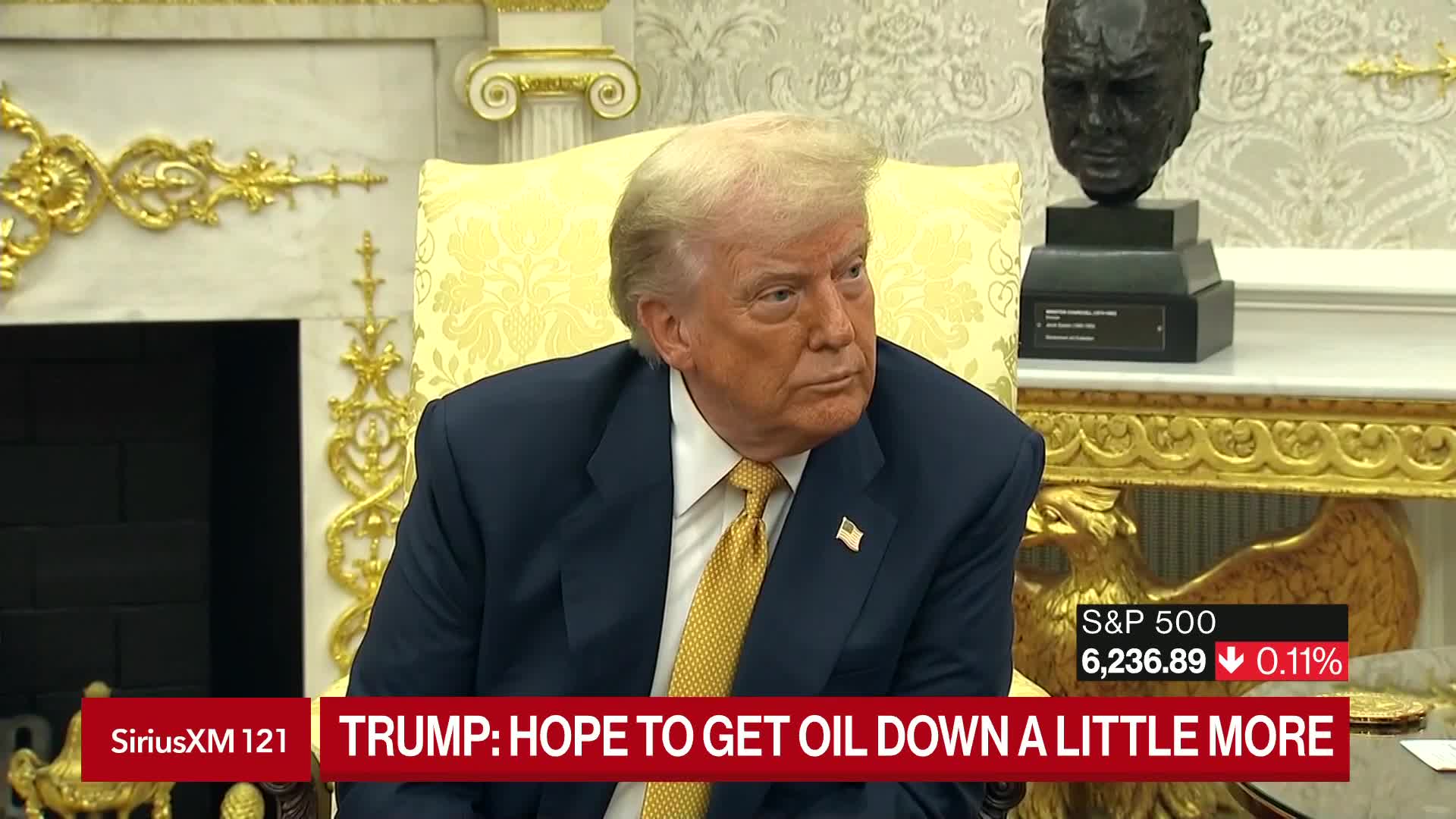
President Trump has stated that firing Federal Reserve Chair Jerome Powell is now 'unlikely,' a notable shift from previous speculation regarding the Fed's leadership. This declaration, made during a Q&A, significantly reduces political uncertainty surrounding the U.S. central bank and its monetary policy direction, potentially fostering market stability by signaling less immediate risk of executive interference.
President Trump's statement that firing Federal Reserve Chair Jerome Powell is 'unlikely' marks a significant de-escalation of political pressure on the U.S. central bank. This shift materially reduces a key source of market uncertainty that had surrounded the Fed's leadership and independence. The declaration, which registers as moderately positive with a sentiment score of 0.5 and a notable market impact score of 0.6, suggests that the risk of abrupt, politically motivated changes to monetary policy has diminished. For investors, this implies a more stable and predictable policy environment where the Federal Reserve's decisions are more likely to be driven by economic data, such as inflation and employment trends, rather than executive influence. The reduction in this specific tail risk could lower the political risk premium previously embedded in U.S. assets.
AI-powered research, real-time alerts, and portfolio analytics for institutional investors.
Request DemoOverall Sentiment
moderately positive
Sentiment Score
0.50
