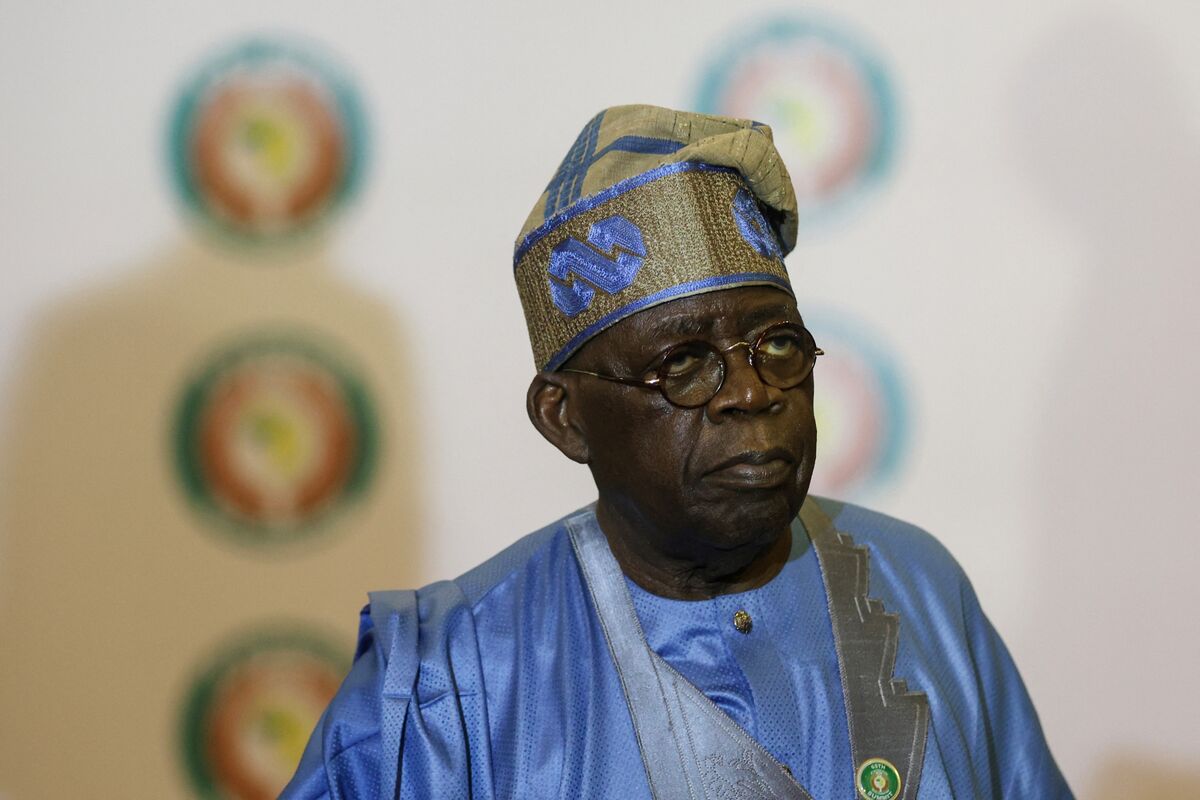
President Tinubu of Nigeria signed an executive order to incentivize oil sector investment by reducing project costs while safeguarding government revenue. The directive limits tax credits to 20% of annual tax liability and introduces performance-based tax incentives for upstream operators, with implementation guidelines still pending, as Nigeria aims to increase oil output.
The Nigerian government, under President Bola Tinubu, has implemented an executive order aimed at revitalizing investment in its crucial oil sector. This directive seeks to lower project costs for operators and simultaneously protect government revenue streams, a dual objective critical for the West African nation's economic strategy to increase oil output. Key fiscal adjustments include capping available tax credits at 20% of a company’s annual tax liability and introducing a new performance-based tax incentive specifically for upstream operators. The overall sentiment surrounding this development is "moderately positive" with an "optimistic" tone, indicating a generally favorable initial market reaction. However, the practical impact and clarity for investors will largely depend on the specifics of the implementation guidelines, which are currently pending. This policy shift, categorized under themes of "Tax & Tariffs," "Energy Markets & Prices," and "Emerging Markets," underscores a deliberate governmental effort to enhance the competitiveness of Nigeria's oil industry.
AI-powered research, real-time alerts, and portfolio analytics for institutional investors.
Request DemoOverall Sentiment
moderately positive
Sentiment Score
0.55
