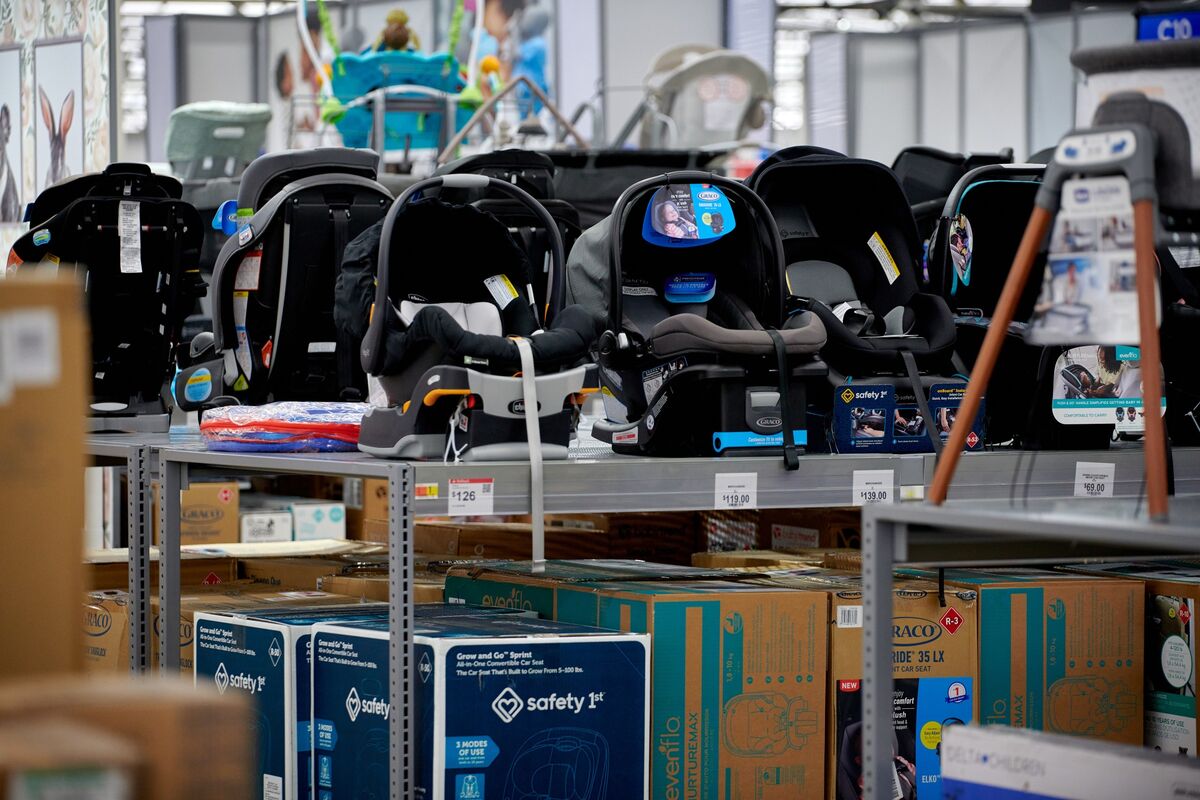
Rising costs driven by tariffs and inflation are prompting a significant shift in consumer behavior, with families increasingly opting for secondhand baby gear, leading to a reported surge in traffic for used goods platforms. This trend underscores mounting household financial pressures and indicates a growing market for pre-owned items, potentially impacting sales for traditional baby product retailers.
A confluence of broad inflation and specific tariffs on baby products is tangibly altering consumer behavior, driving a notable shift towards the secondhand market. The report of a 'surge in traffic' to websites and stores selling used goods indicates that rising costs for essential items like car seats and sippy cups are creating significant financial pressure on households. This trend presents a direct headwind for traditional retailers of new baby gear, who may face both demand erosion and margin compression. Conversely, it signals a structural tailwind for the burgeoning 're-commerce' sector, as cost-conscious parents increasingly turn to pre-owned channels. The moderately negative sentiment score of -0.5 underscores the financial strain experienced by consumers, while the medium market impact score suggests this is a consequential trend for the consumer retail sector.
AI-powered research, real-time alerts, and portfolio analytics for institutional investors.
Request DemoOverall Sentiment
moderately negative
Sentiment Score
-0.50
