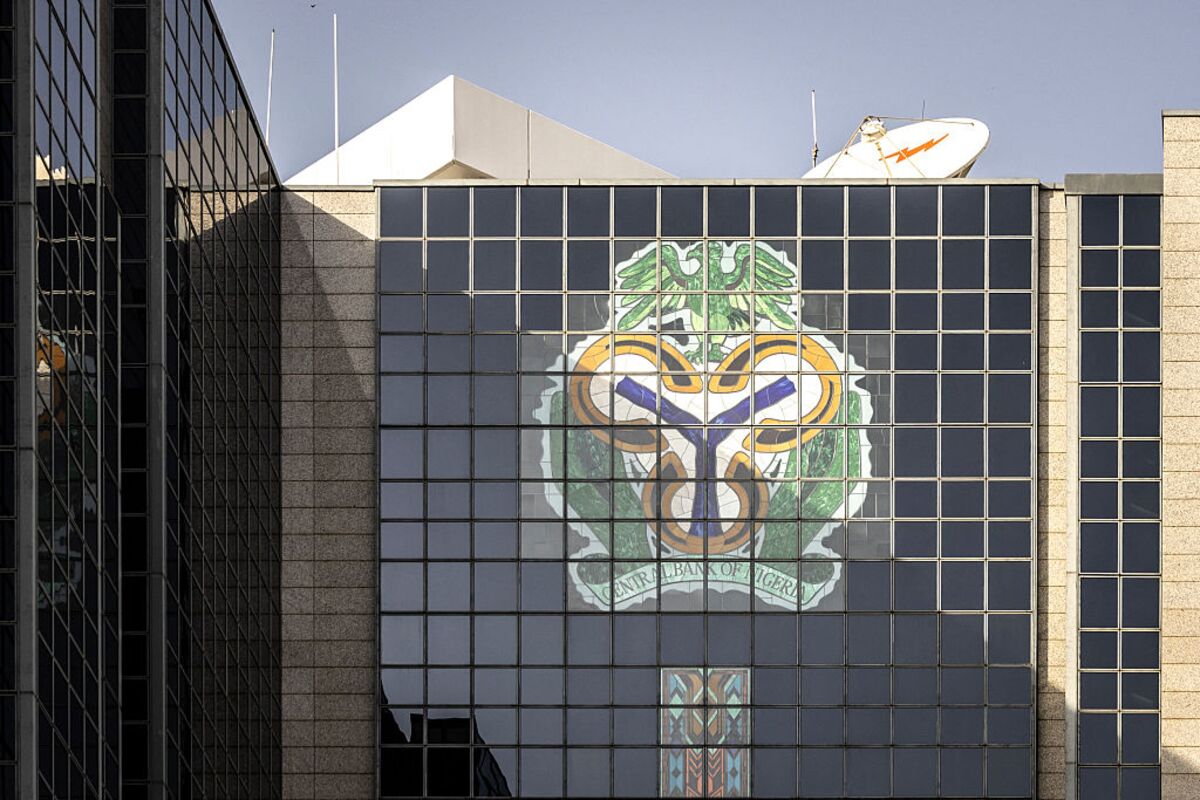
Top Nigerian banks will provision for non-performing loans and reduce exposure to clients exceeding regulatory limits following a Central Bank of Nigeria (CBN) directive. This action is necessary for the banks to resume dividend payments, director bonuses, and foreign subsidiary investments, which the CBN had restricted until compliance was achieved, and comes after the directive negatively impacted bank shares.
Top Nigerian banks are undertaking significant balance sheet adjustments, including making provisions for non-performing loans and reducing specific client exposures that surpass regulatory thresholds, in direct response to a Central Bank of Nigeria (CBN) directive. This corrective action is a prerequisite for these institutions to resume critical financial activities such as dividend payments, director bonuses, and investments in foreign subsidiaries, which the CBN had barred until compliance was achieved. Although the initial announcement of the CBN's order reportedly caused a decline in bank shares, the subsequent commitment by lenders to rectify their books is viewed with moderate positivity, suggesting a move towards enhanced regulatory adherence and financial stability. The measures, while potentially impacting short-term profitability due to increased provisioning, are fundamental for strengthening the banks' asset quality and ensuring long-term operational health within the key emerging market of Nigeria. This development highlights the direct impact of regulatory oversight on banking sector fundamentals and investor sentiment.
AI-powered research, real-time alerts, and portfolio analytics for institutional investors.
Request DemoOverall Sentiment
moderately positive
Sentiment Score
0.50
