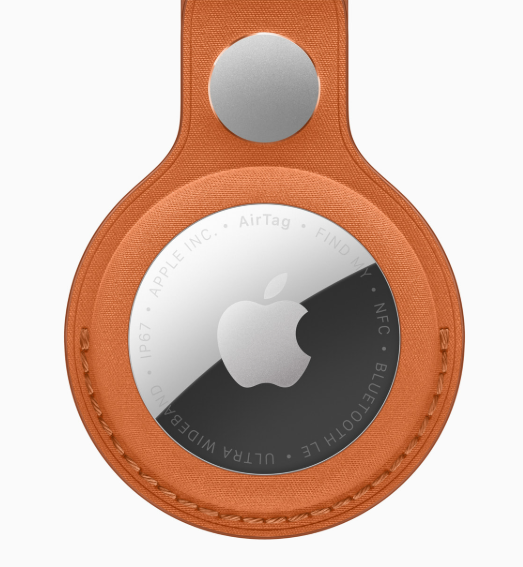
Apple is rolling out AirTag 2 firmware version 3.0.45 (replacing build 3.0.41) via a staged, fully automated update that users cannot trigger manually. The update reportedly focuses on stability, performance and bug fixes; AirTag 2 (launched Jan 26) includes a second‑generation UWB chip, a louder speaker and enhanced unwanted‑tracking privacy protections. This is routine accessory maintenance with minimal expected impact on Apple’s financials or stock performance.
This quiet firmware iteration is a small operational signal with outsized strategic implications: Apple continues to exert end-to-end control over accessory software, compressing time-to-fix for device-level issues and raising the implicit switching cost for location-tracking ecosystems. That staged, automatic update mechanism materially shortens the window between vulnerability discovery and remediation versus third‑party trackers that rely on user-initiated updates, reducing recurring security risk for the Find My network over months rather than years.
Second-order winners are not just component suppliers but the broader Apple services funnel: incremental reliability and precision improvements increase the practical utility of Find My for high-value use cases (pets, luggage, keys), which boosts engagement and makes it harder for rivals to attract defections. Conversely, firms that monetize through accessory interoperability or third‑party tracking networks face higher churn risk as Apple’s tighter hardware‑software loop raises rival integration costs over 6–18 months.
Regulatory and attack-surface risks are asymmetric: silent background updates are operationally positive for UX yet politically sensitive if an exploit or inadvertent behavioral change occurs — that can trigger rapid policy scrutiny in months and create short-term drawdowns. The near-term catalyst set to watch is holiday accessory buying and any coordinated security disclosure; both can magnify the funding of incremental revenue streams or catalyze headline-driven selloffs within days to weeks.
For portfolio construction, treat this as ecosystem alpha rather than a single-product story. The path to capture is through suppliers with durable Apple content share and long-dated option structures on AAPL to benefit from continued monetization of accessory stickiness, while explicitly hedging regulatory/tail exposures with short-dated protection or collars.
AI-powered research, real-time alerts, and portfolio analytics for institutional investors.
Request DemoOverall Sentiment
neutral
Sentiment Score
0.05
Ticker Sentiment
