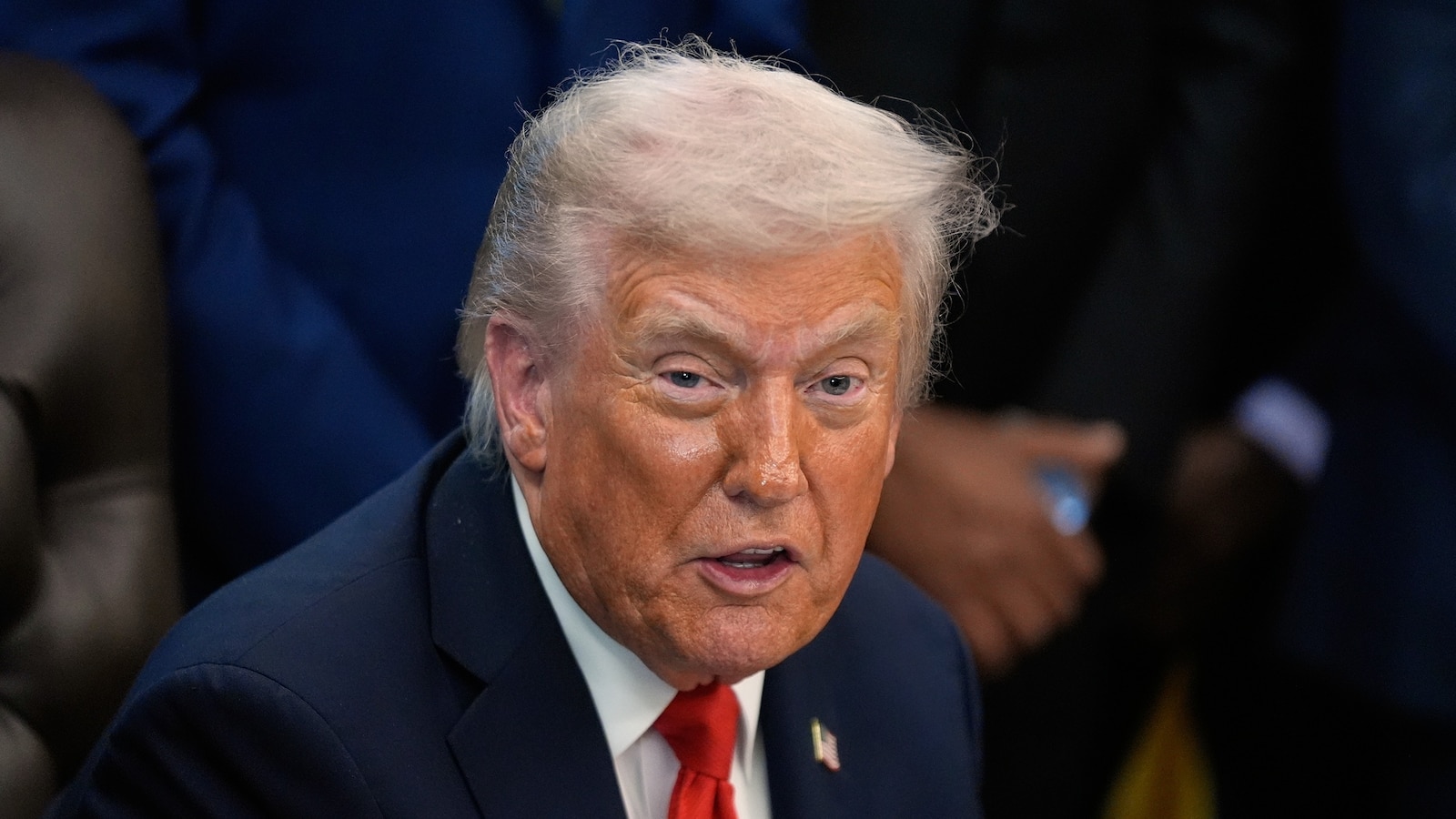
President Trump publicly urged U.S. cattle ranchers to lower prices, crediting his tariffs for their current profitability and threatening beef imports from Argentina to reduce domestic costs for consumers. This proposal has met strong opposition from American agricultural stakeholders, including lawmakers and farm bureaus, who argue that such imports would harm domestic producers already contending with multi-decade low cattle supplies due to drought, advocating instead for increased domestic production. The comments also follow a significant U.S. financial aid package to Argentina, raising questions about the administration's agricultural trade priorities and potential impacts on the domestic beef market.
President Trump's recent statements urging American cattle ranchers to lower prices, while simultaneously crediting his tariffs (including a 50% tariff on Brazil) for their current profitability, introduce significant uncertainty into the domestic beef market. His suggestion of importing beef from Argentina to reduce consumer costs, following a $20 billion U.S. bailout for Argentina, signals a potential shift in agricultural trade policy aimed at consumer price control rather than producer support.
This proposal has met strong opposition from key agricultural stakeholders, including Senator Deb Fischer and the Nebraska Farm Bureau, who argue that increased imports would harm domestic producers. The sentiment surrounding these developments is moderately negative (-0.55), reflecting concerns over potential market disruption and conflicting policy signals.
The underlying factors contributing to high beef prices are primarily supply-side, with the Nebraska Farm Bureau citing a multi-decade low cattle supply due to drought, forced culling, and reduced imports from Mexico. These environmental and logistical challenges have led to record-high cow prices, indicating a fundamental supply constraint rather than excessive producer margins.
Investors should note the tension between political objectives to lower consumer prices and the economic realities of a constrained domestic supply. The administration's focus on imports, despite domestic industry opposition and existing supply challenges, suggests potential volatility for cattle prices and related agricultural equities.
AI-powered research, real-time alerts, and portfolio analytics for institutional investors.
Request DemoOverall Sentiment
moderately negative
Sentiment Score
-0.55
