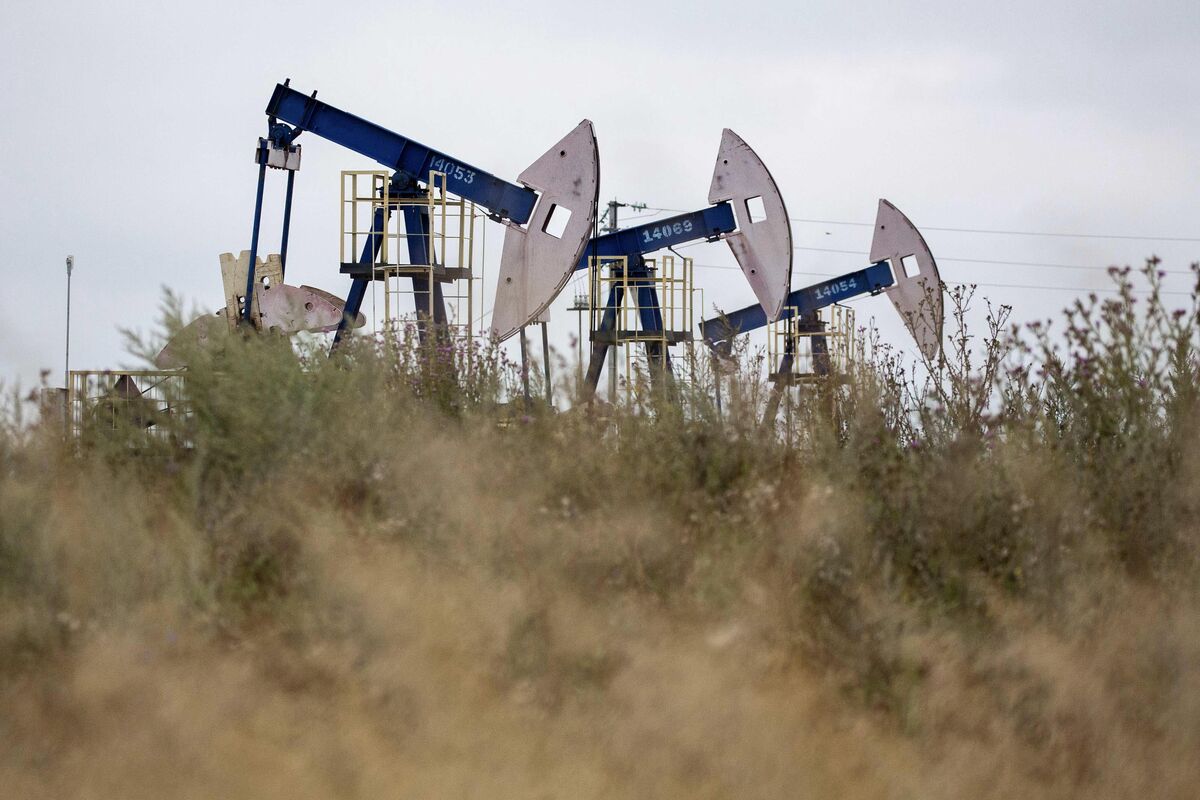
Kasatkin Consulting projects Russia's crude and condensate output to remain stable at 10.3 million barrels per day this year, rising to 10.4 million b/d over the next two years, with exports holding at 4.8 million b/d. This anticipated stability, despite the industry facing its most challenging period since the Covid-19 pandemic, suggests significant resilience in Russian oil production amidst current geopolitical and economic pressures.
According to Moscow-based Kasatkin Consulting, Russian oil production and exports are projected to remain remarkably stable despite facing their most challenging operational environment in five years. The forecast indicates that combined crude and condensate output will hold steady at 10.3 million barrels per day (b/d) this year, with a marginal increase to 10.4 million b/d anticipated over the next two years. Crucially for global markets, exports are expected to be maintained at 4.8 million b/d. This projection of resilience suggests that Russia's energy sector has effectively adapted to current geopolitical and economic pressures, a factor that could temper volatility and limit the upside risk premium in global oil prices. The stability of this significant supply source is a key variable for energy market forecasts, challenging assumptions of a sharp decline in Russian output.
AI-powered research, real-time alerts, and portfolio analytics for institutional investors.
Request DemoOverall Sentiment
moderately positive
Sentiment Score
0.50
