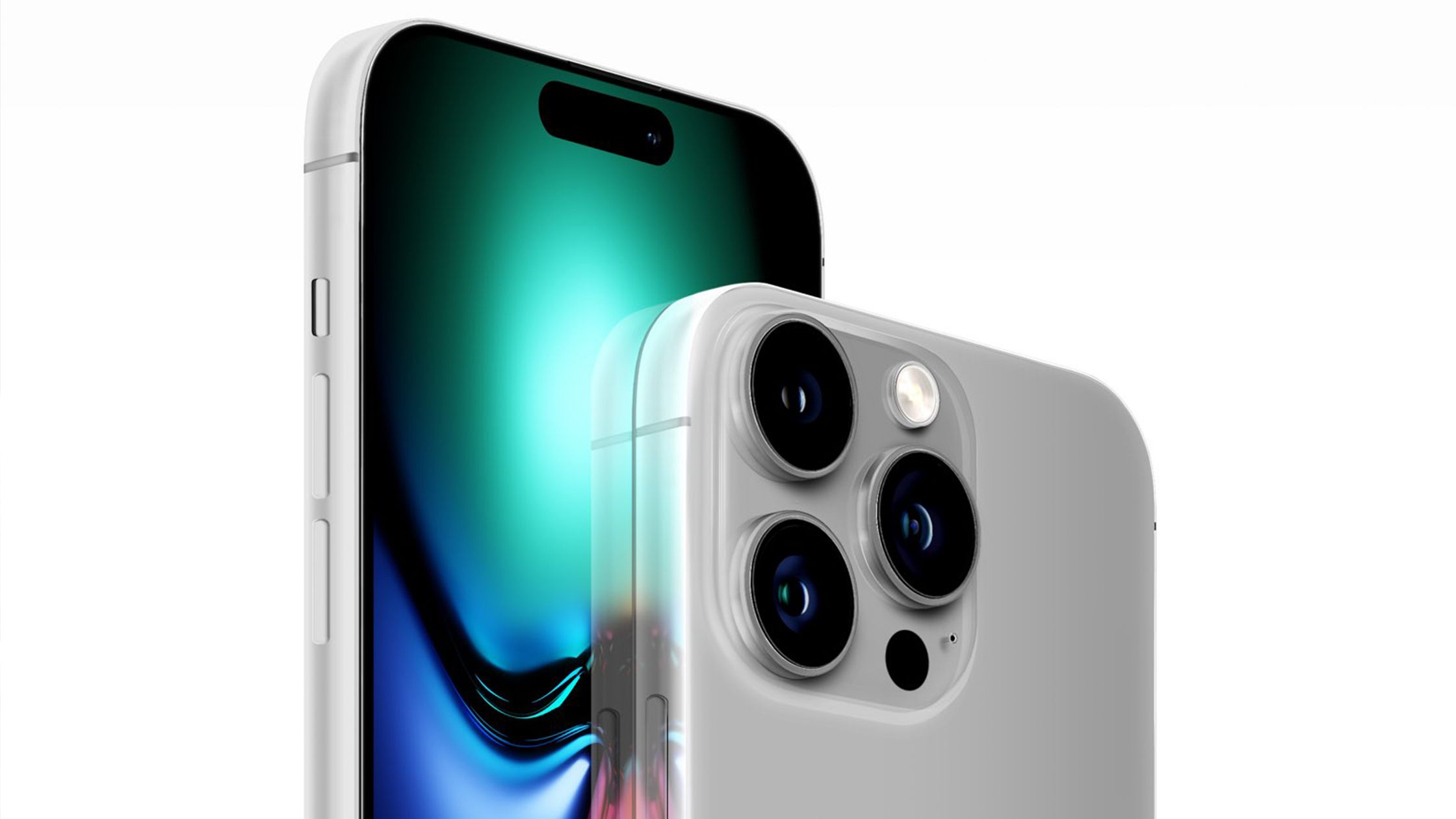
A prominent Apple leaker (reported via MacRumors) indicates the iPhone 18 lineup will largely retain the iPhone 17 design with no significant changes, likely leaving the iPhone Air single‑camera limitation and the iPhone 18 Pro's aluminium construction in place. With an iPhone Fold rumored to be Apple's headline product in 2026, the decision to keep existing designs could conserve engineering focus but may modestly dampen product differentiation and consumer demand in the premium smartphone segment.
Market structure: A report that iPhone 18 likely keeps iPhone 17 design signals weaker upgrade incentives and a slower hardware refresh cycle — I model a 3–6% downside to AAPL unit growth vs consensus in FY26 if upgrade intent falls by 5–10%. Winners include accessory makers (cases, screen protectors) and Samsung/Google if consumers shop foldables; losers are premium-material suppliers (titanium finish supply) and Apple’s iPhone Air variant which lacks a second lens. Pricing power may hold short term via services revenue, but unit-led ASP risk increases if Apple is forced into promotional activity.
Risk assessment: Immediate (days) risk is sentiment-driven 2–4% AAPL share moves around leaks; short-term (weeks–months) tail risks include a Fold launch delay or “scratchgate” style reputational impact causing a 7–12% re-rating; long-term (quarters–years) regulatory antitrust or component shortages could compress margins 200–400bps. Hidden dependencies: Apple’s earnings leverage to iPhone units means a small unit miss cascades into supply order reductions for parts suppliers; catalysts to monitor are WWDC (June), supply-chain checks in March–May, and September launch demand metrics.
Trade implications: Direct: establish a modest hedge — 1.5–3% portfolio-sized AAPL bearish position via a 9–12 month put spread (buy 1x 12-month put ~10% OTM, sell ~20% OTM) to cap cost while preserving upside. Relative: rotate 1–2% from AAPL into MSFT (long 1–2% overweight) and ADBE (1% overweight) for higher SaaS secular exposure; these should outperform if hardware softness persists. Options: sell covered calls on ~2% of AAPL holdings with 3–6 month expiries if shares rally >5% pre-WWDC; otherwise deploy the put spread. Time: size positions 50% now, 50% after WWDC or supply-chain readouts (target unwind by Dec 2026 unless new info).
Contrarian angles: Consensus underestimates services resiliency — a modest unit slump won’t collapse FCF; if Apple uses a stable 17→18 design to spotlight a compelling Fold, upside could be 8–15% from mispriced negative sentiment. Historical parallel: muted design cycles (e.g., iPhone 6S→7) produced short-term weakness but strong follow-through when a new form factor arrived. Recommendation: keep hedges sized to 2–3% of portfolio, avoid aggressive AAPL shorts, and opportunistically scale into long exposure if Fold reviews exceed NPS benchmarks (net promoter >70 over first 90 days).
AI-powered research, real-time alerts, and portfolio analytics for institutional investors.
Request DemoOverall Sentiment
mildly negative
Sentiment Score
-0.25
Ticker Sentiment
