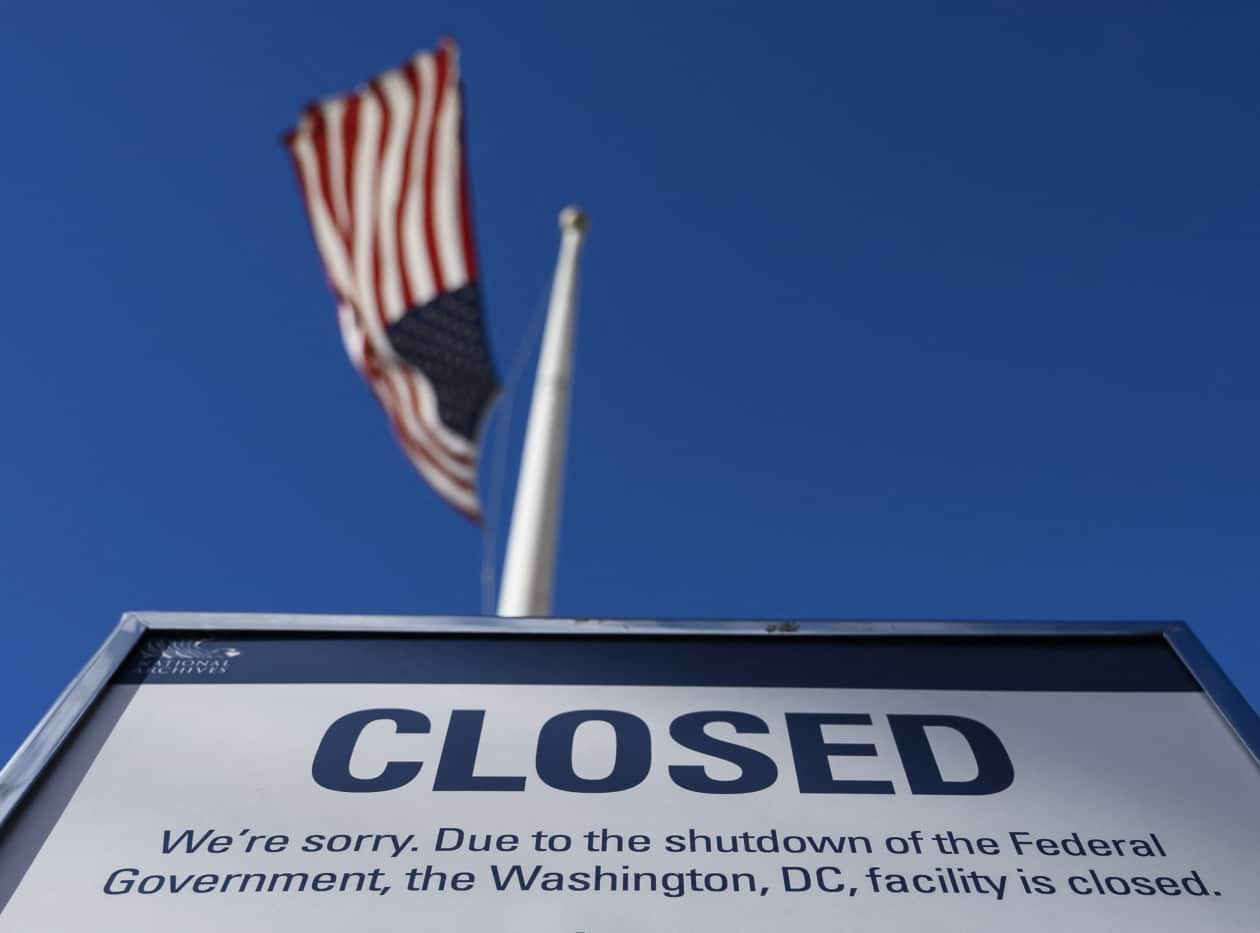
The ongoing U.S. government shutdown and broader political polarization are projected to have significant long-term economic consequences, according to recent research. Studies indicate that increased political gridlock leads to a substantial and not easily reversible reduction in corporate investment, which subsequently dampens long-term economic growth and negatively impacts stock prices.
The article highlights that the ongoing U.S. government shutdown and broader political polarization are increasingly recognized by investors as having significant long-term economic consequences. Research cited indicates that heightened political gridlock directly correlates with a substantial and persistent reduction in corporate investment. This finding underscores a critical link between political stability and capital allocation decisions.
This reduction in corporate investment is projected to lead to correspondingly lower long-term economic growth, a direct consequence of diminished capital expenditure and innovation. Furthermore, the analysis suggests that these political dynamics will negatively impact stock prices, reflecting a broader market reassessment of future earnings potential and risk premiums. The overall sentiment is strongly negative, with a pessimistic tone and a significant market impact score of 0.6.
The implications extend beyond immediate market volatility, touching upon fundamental economic drivers like company fundamentals and overall economic data. The themes of fiscal policy, domestic politics, and investor sentiment are all intertwined, suggesting a systemic risk rather than an isolated event. This persistent political uncertainty creates a challenging environment for long-term strategic planning for corporations and investors alike.
AI-powered research, real-time alerts, and portfolio analytics for institutional investors.
Overall Sentiment
strongly negative
Sentiment Score
-0.60
