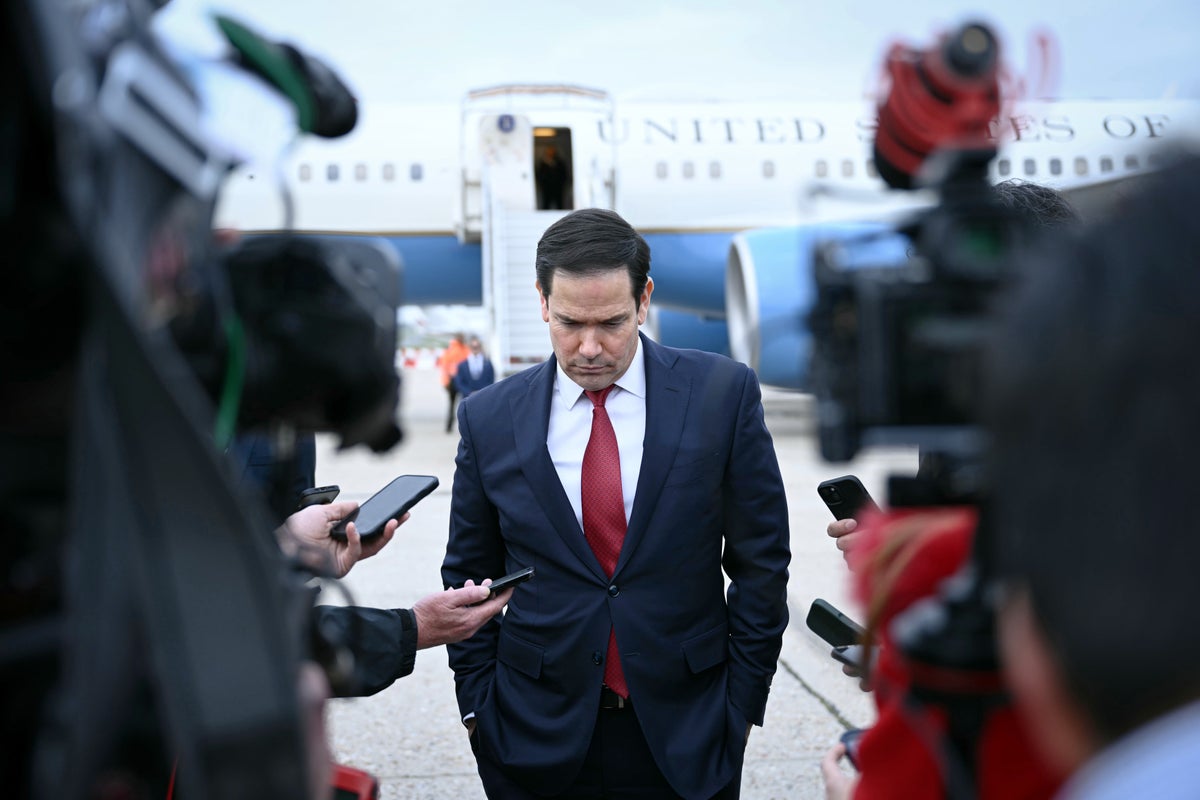
Up to $2.0m: Iran’s IRGC is reportedly vetting commercial tankers and charging up to $2m (≈£1.5m) for safe passage through the Strait of Hormuz, contributing to sharp rises in global oil and gas prices. US Secretary of State Marco Rubio said the UK is taking a prominent role and urged a multilateral plan to prevent a de facto 'toll booth' regime, calling post-conflict measures a near-term priority that could be organised in weeks. Rubio indicated the US is willing to participate in escorts/insurance arrangements but does not have to lead, and he pressed other affected nations, including Asian importers, to contribute to the coalition.
The immediate market reaction will be a two-layer shock: higher short-term freight/insurance premia for tankers and a transitory risk premium in Brent/GC futures driven by potential chokepoint disruption. Expect tanker Time Charter Equivalent (TCE) rates for VLCC/Suezmax to rerate higher within days if insurers require escorts or IRGC tolls persist; a 20–50% spike in spot freight over 2–8 weeks is plausible before markets reprice routing and insurance capacity.
A credible coalition led or enabled by the UK/US reduces terminal-tail risk (probability of extended closure) but raises permanent base costs — think 5–10% structurally higher maritime insurance and naval operating expenses over years, which effectively acts like an ad valorem tariff on Gulf exports and compresses netback for producers. That dynamic favors asset owners that capture logistics upside (tanker owners, vessel-less storage plays) and defense/ISR suppliers, while hurting low-margin refiners and nations dependent on insured short-haul seaborne crude.
Secondary effects include accelerated rerouting to pipelines and spot cargo destocking: buyers in Asia may shift incremental imports toward pipeline-connected suppliers or prepay cargoes, steepening the forward curve (contango) for crude and increasing floating storage demand over 1–3 months. The durability of the premium hinges on two catalyst windows — immediate (days–weeks) while escorts/insurance are organized, and policy (weeks–months) while international coalition rules of engagement and insurance underwriting terms are formalized — either can unwind the spike quickly if resolved or entrench it if contested.
AI-powered research, real-time alerts, and portfolio analytics for institutional investors.
Request DemoOverall Sentiment
mildly negative
Sentiment Score
-0.35
