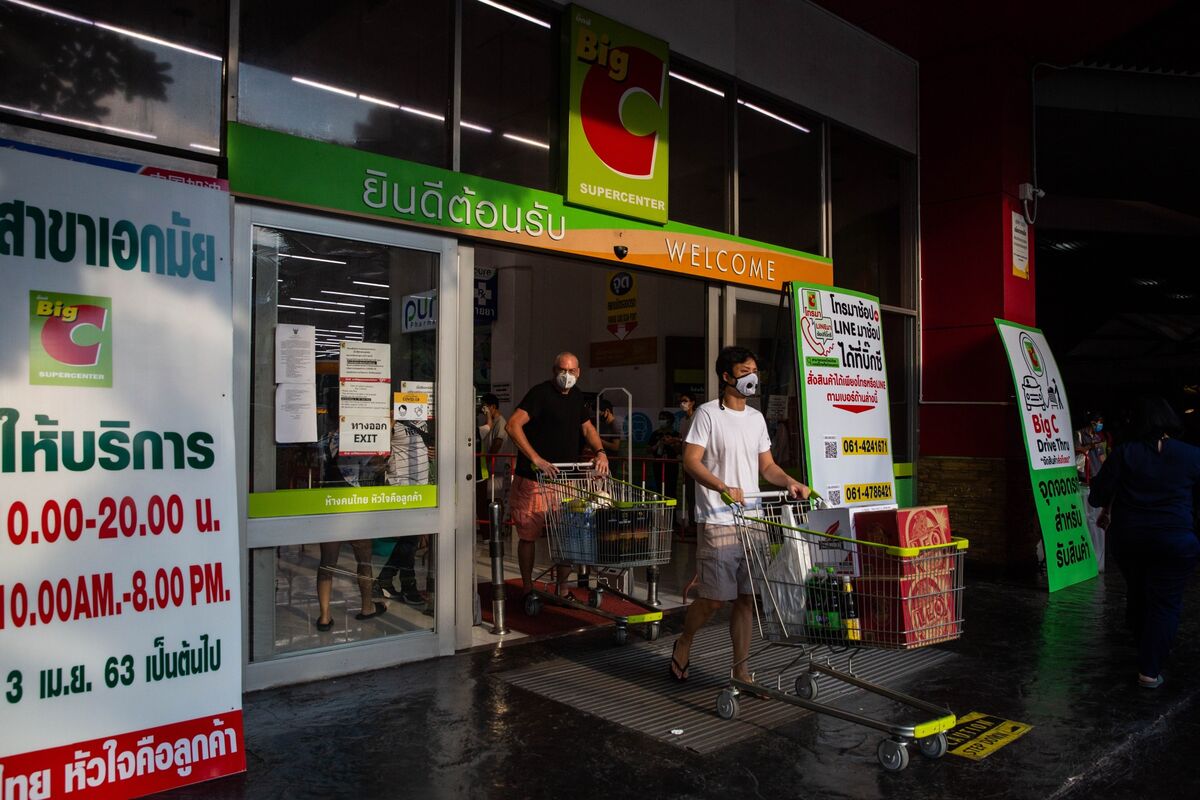
Major Thai retailers controlled by billionaire families will roll out house-brand food, toiletries and essentials at 25%–50% discounts as part of a government-backed 'Thais Helping Thais' campaign. The move underscores rising living-cost and inflation pressures while leveraging large conglomerates to ease consumer pain in the near term; it could support household spending but may compress retailer margins and alter competitive dynamics in the retail sector.
The move to mobilize dominant conglomerates to stabilize consumer prices is less about margins today and more about reshaping retail bargaining power over the next 6–18 months. Firms with upstream control of food production and distribution can convert temporary price support into permanent private‑label share gains, compressing branded manufacturers’ volumes and margins while lifting own‑label gross margins by low‑double digits if rollouts stick.
Expect second‑order supplier dynamics: vertically integrated groups will demand deeper rebates or long‑term supply contracts from independent processors, forcing consolidation among middlemen and raising barriers to entry for small-format rivals over 12–36 months. International suppliers that rely on Thailand as a pricing anchor will face either margin erosion or accelerated exit, creating a window for local producers to capture export share if quality/cost align.
Politically, this is a low‑cost lever to shave headline inflation readings ahead of sensitive electoral or fiscal moments; the central bank’s policy path may be nudged toward a pause if CPI momentum cools in the next 1–3 quarters, reducing rate‑sensitive stress but increasing medium‑term moral hazard around price interventions. Tail risks include regulatory backlash (price‑fixing probes) or a withdrawal of voluntary discounts once the political imperative fades, which would rapidly re‑expose consumer prices and retail margins.
From a market perspective, the market is under‑pricing the durability of private‑label share shifts and over‑pricing short‑term goodwill; the clearest winners are integrated retail producers while fragmented mid‑market retailers and branded FMCG without downstream access are the most exposed over the next 12 months.
AI-powered research, real-time alerts, and portfolio analytics for institutional investors.
Request DemoOverall Sentiment
neutral
Sentiment Score
0.10
