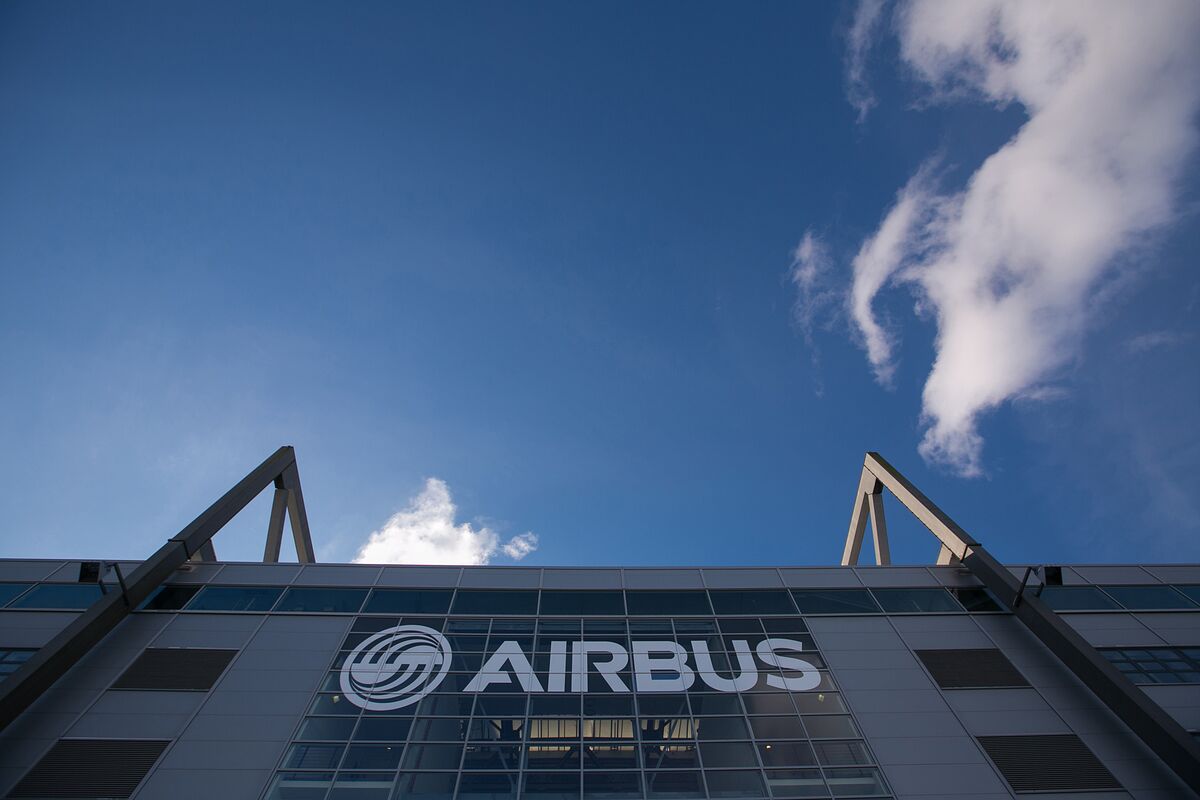
A top-selling Airbus jet has been placed under recall, triggering widespread flight disruptions and operational chaos for global carriers that rely on the type. The recall introduces immediate capacity constraints and potential incremental costs for airlines and Airbus, raises regulatory scrutiny and supply-chain pressure, and creates downside risk to near-term revenue and guidance for operators and the manufacturer. Investors should expect elevated volatility in airline and aerospace equities and monitor cascading schedule and maintenance costs as the situation unfolds.
Market structure: A broad Airbus A320-family recall removes short‑haul seat capacity, creating immediate winners (MRO/service providers, spare‑parts makers) and losers (airlines, lessors, Airbus OEM & suppliers). Expect network airlines with concentrated A320 exposure (e.g., LUV, JBLU, EZJ/RYA in Europe) to see 3–8% revenue hit per month of grounding; global narrow‑body seat supply could tighten by an order of hundreds of aircraft for weeks, pressuring cancellations and yields volatility.
Risk assessment: Near term (days–weeks) the principal risks are operational (cancellations, crew/slots) and liquidity stress for highly levered carriers; medium term (1–3 months) regulatory probes and order deferrals could widen credit spreads by 150–400bp for weak credits. Tail risks include a multi‑quarter grounding that forces large lessor write‑downs and cascading supplier covenant breaches; catalysts to reverse include rapid inspection clearances or OEM retrofit parts availability within 30–60 days.
Trade implications: Directional trades: long MRO/parts (HEI, GE) and short direct exposure to Airbus (EADSY) and high‑A320 airlines (LUV, JBLU) using defined‑risk options to capture elevated IV. Cross‑asset: airline credit and HY ETFs (JNK) should be hedged — buy IG/HY protection if spreads widen >100bp; jet fuel demand shock could modestly lower WTI over weeks, pressuring energy names by 1–3%.
Contrarian: Consensus will likely overprice permanent demand loss; historically (737 MAX regional impacts) aircraft groundings impose temporary demand shock but drive aftermarket revenue and eventual capacity rebalancing. If inspections clear within 30–90 days the overreaction can create 15–30% rebound opportunities in select airline equities; look for mispricings where share moves exceed plausible earnings at risk (e.g., >25% drop vs <10% quarter revenue hit).
AI-powered research, real-time alerts, and portfolio analytics for institutional investors.
Request DemoOverall Sentiment
strongly negative
Sentiment Score
-0.65
