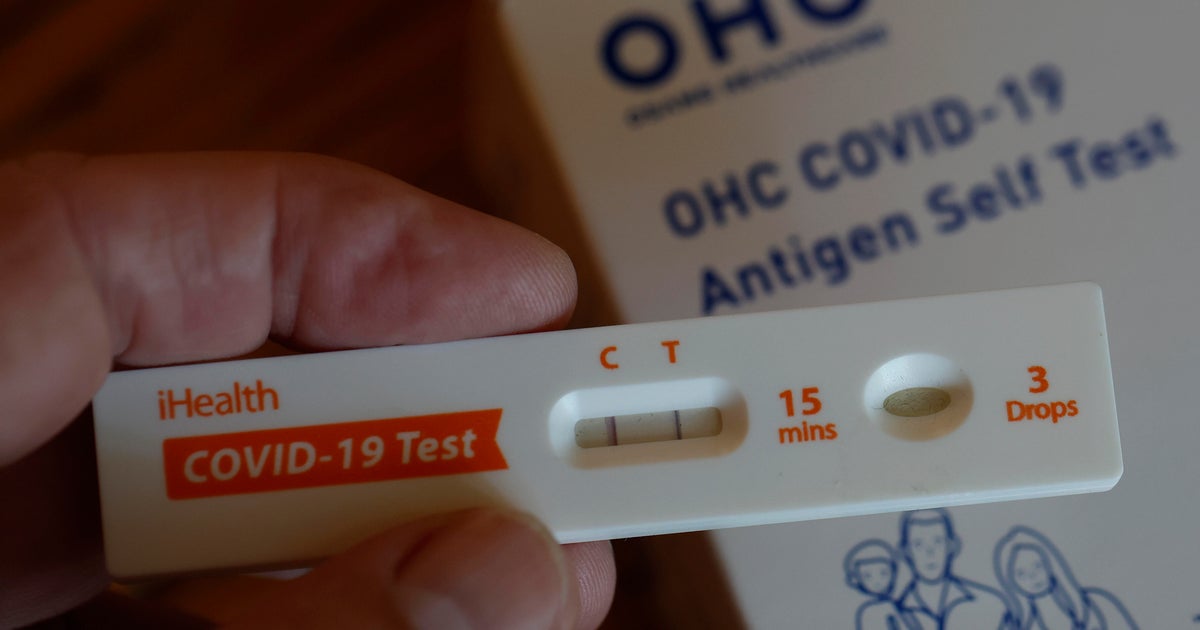
BA.3.2 (nicknamed "Cicada") has been identified since Nov 2024 and detected in at least 23 countries and 25 U.S. states; the variant carries roughly 70–75 mutations. Early Lancet data show current vaccines are less effective against BA.3.2 though still provide some protection, and the CDC reports no nationwide rise in severe disease as case rates, ED visits and hospitalizations are trending down (local increases likely in MA and FL). Monitor updates on vaccine effectiveness and regional hospitalization trends—near-term market impact appears limited but could affect healthcare, travel and eldercare exposures; public-health guidance recommends vaccination for 65+, high-risk and unvaccinated individuals, with a suggested dose in late May/early June for summer protection.
A highly mutated SARS-CoV-2 lineage that meaningfully evades immunological protection creates a short-to-medium term reallocation of demand: rapid diagnostic testing, outpatient antivirals, and genomic sequencing become the first-order beneficiaries as public-health actors shift from population-level NPIs to targeted detection and treatment. For large vaccine/therapeutic developers, even a modest incremental booster rollout or emergency-use demand spike (think single-digit percent lift in seasonal volumes over 1–3 quarters) can translate into low- to mid-hundreds of millions in incremental revenue and clear margin flow-through due to high gross margins on biologics and small-molecule antivirals.
Second-order winners include reagent and consumables suppliers (swabs, PCR reagents), clinical lab operators, and digital-surveillance firms because public-health response emphasizes surveillance and outpatient case management rather than inpatient care. Conversely, discretionary-leisure and short-haul travel exposures are the obvious losers in a scenario where regional waves prompt corporate travel restrictions or localized advisories; a 5–10% reduction in summer leisure/travel volumes would compress airline unit revenues by a mid-single-digit percentage and amplify downside through high fixed-cost structures.
Key catalysts and risks are measurable and near-term: genomic-prevalence crossing textbook thresholds, regulator signals on updated boosters, and real-world therapeutic efficacy data. Tail risk sits at two extremes — rapid displacement causing broader hospital strain (months), or fade-out leaving only transient demand blips (weeks). Position sizing should reflect this binary: small, cause-based allocations with defined stop-loss and catalyst windows rather than broad thematic reallocations.
AI-powered research, real-time alerts, and portfolio analytics for institutional investors.
Request DemoOverall Sentiment
neutral
Sentiment Score
0.00
