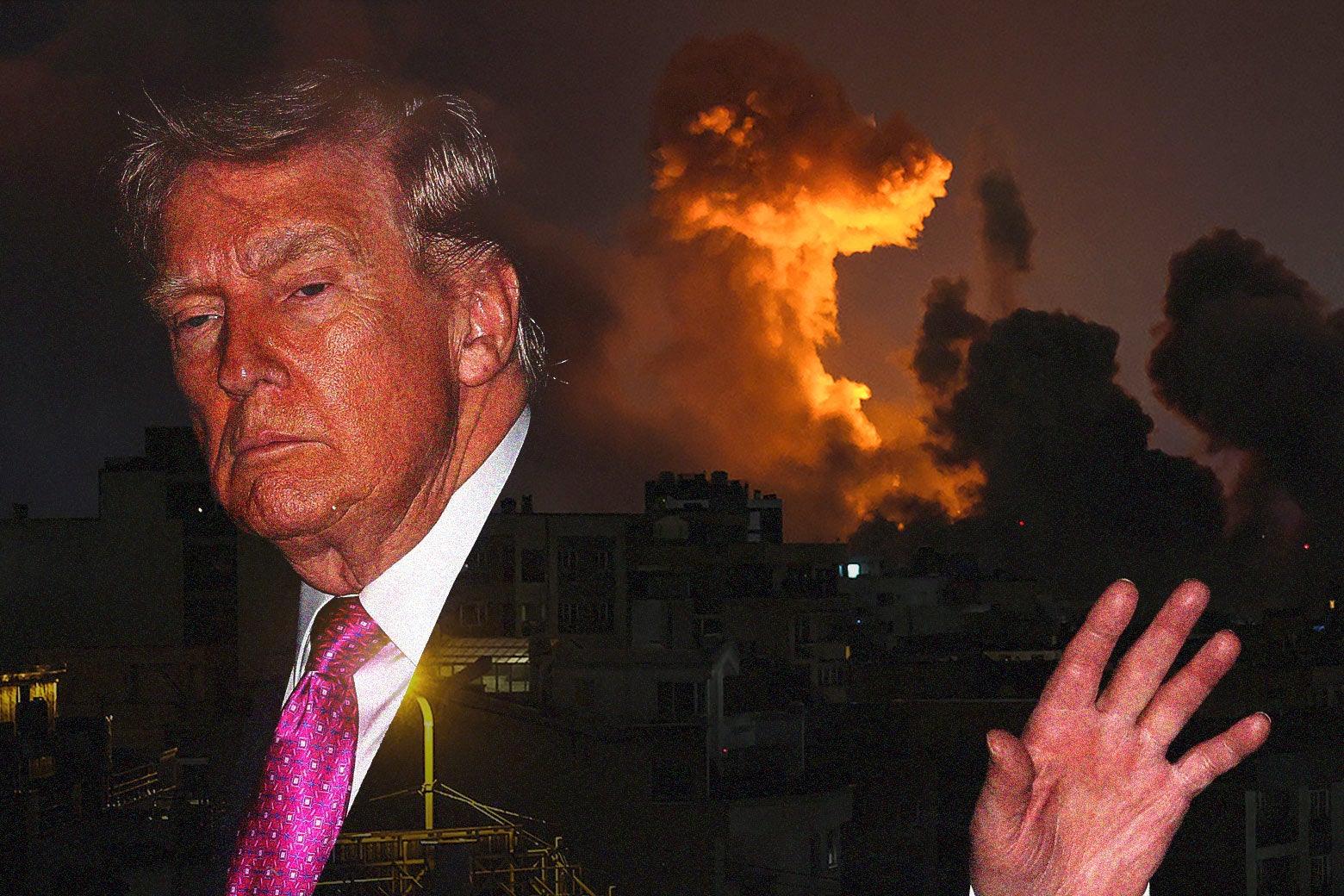
About 25% of global oil transits the Strait of Hormuz; the piece warns that missions to secure the strait, occupy Kharg Island, or seize enriched uranium would likely expand the conflict and could require ~100,000 troops versus ~50,000 U.S. personnel currently in the region. For portfolios, this elevates tail risk: expect upward pressure on oil prices, supply-chain disruption and broader market volatility — consider energy hedges and reduced exposure to vulnerable EM and geopolitical-sensitive assets.
Markets are already pricing a higher probability of disrupted seaborne flows and elevated maritime insurance costs; the immediate second-order winners are owners of VLCC/Suezmax tonnage and freight-rate arbitrageurs because re-routed voyages and increased fuel/laytime push spot tanker earnings materially higher for weeks to months. Expect a quick term-structure shift toward front-month tightness (crude and refined product backwardation) as shippers avoid high-risk corridors — that produces a near-term mechanical boost to spot crude and bunker demand that tightens storage and prompt differentials within 2–12 weeks.
Defense and aerospace suppliers with backlog-exposed programs for air defenses, EW suites, and precision munitions will see order visibility improve over 3–12 months; small-cap suppliers of phased-array components, missile seekers, and ISR payloads are likely to re-price ahead of the primes because lead times and single-source BOMs create margin expansion opportunities. Conversely, commercial sectors sensitive to fuel and insurance (airlines, cruise lines, container shippers) face compressed margins and capital-cost pressures; their cash flows are volatile on a months-long horizon if the situation persists.
Tail risks skew downside for risk assets: a rapid asymmetric escalation (a strike on a tanker or a major platform loss) can spike oil volatility and force asset repricing in days, while diplomatic de-escalation or an insurance underwriting backstop would reverse price action within weeks. Positioning should therefore prefer convex, time-limited exposures that capture premium for geopolitical risk while limiting long-dated directional exposure; monitor diplomatic signals and tanker-insurance rate moves as 24–72 hour catalysts.
The consensus underestimates the logistics tail: prolonged operations (even limited) will reroute trade flows, increase transshipment volumes through longer lanes, and raise working-capital needs across refining and trading desks — a multi-quarter profit transfer from flow-dependent commercial carriers to asset-light trading houses and defense suppliers. Active managers should size for binary outcomes and use options or small-cap freight equities for asymmetric payoff profiles rather than large-cap long-only bets that re-rate slowly.
AI-powered research, real-time alerts, and portfolio analytics for institutional investors.
Request DemoOverall Sentiment
strongly negative
Sentiment Score
-0.65
