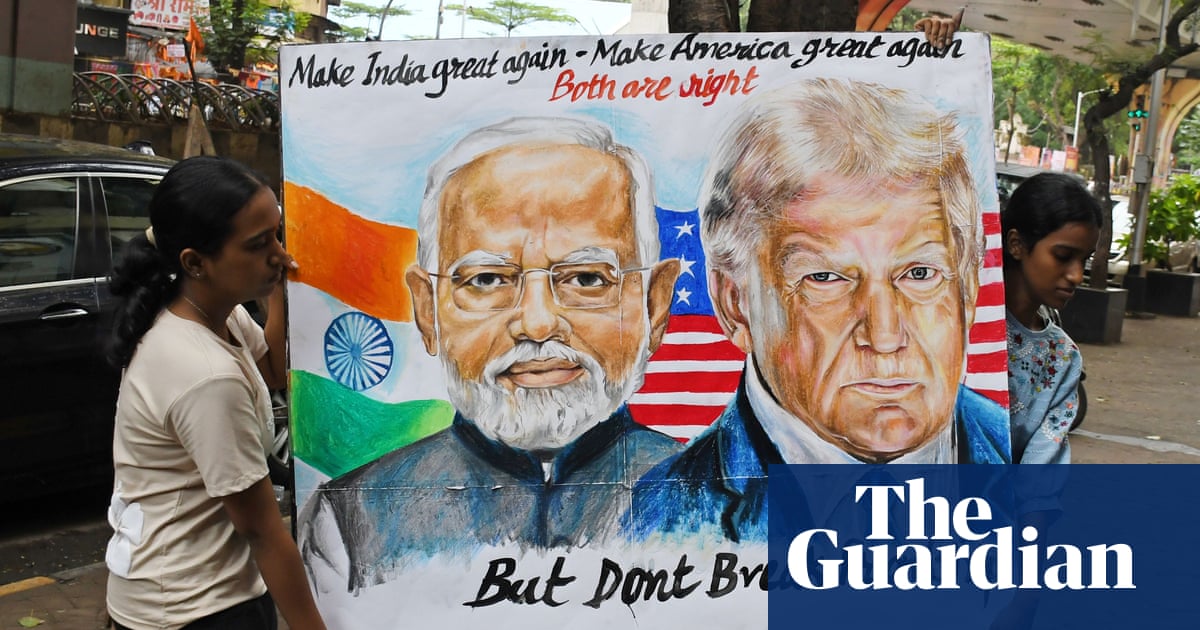
Indian officials have confirmed that the country's oil refineries will continue to purchase Russian crude, rebutting ex-President Trump's claims of a halt despite US threats of tariffs and sanctions on Moscow's trading partners. India justifies its stance by citing economic factors, long-term contracts, and compliance with the G7 price cap, noting Russian oil is not directly sanctioned by the US or EU. As Russia is India's top oil supplier (35%), officials emphasize these legitimate purchases have helped prevent a global oil price surge, underscoring India's strategic energy needs amidst geopolitical pressure.
India has officially rebutted claims of halting Russian oil imports, affirming its intent to continue purchases based on economic rationale despite looming US sanction threats. This stance is significant as Russia constitutes approximately 35% of India's total crude supply, making these flows critical for the country's energy security and inflation management. Indian officials frame these purchases as compliant with international norms, specifically the G7 price-cap mechanism, and argue they have played a crucial role in stabilizing global oil prices by absorbing discounted barrels amidst OPEC+ production cuts of 5.8 million barrels per day. The situation highlights a clear divergence between India's strategic economic interests and US geopolitical objectives, underscored by the threat of a 25% tariff on all Indian goods. While media reports and statements from former President Trump created short-term uncertainty, the clarification from Indian sources suggests that long-term contracts and compelling price discounts will continue to govern India's import decisions. However, a new layer of supply-side risk is emerging from Ukrainian military strikes on Russian oil infrastructure, which could disrupt the availability of this key crude source.
AI-powered research, real-time alerts, and portfolio analytics for institutional investors.
Overall Sentiment
mildly positive
Sentiment Score
0.25
Ticker Sentiment
